Health & Fitness
Storing and Treating Water During Emergencies
Here's how to store and treat water during emergency incidents!



Are you prepared for emergencies? An emergency incident such as an extended power outage caused by winter storms or water line damage from earthquakes could affect your water supply. The Washington Department of Health recommends the following steps for storing and using drinking water supplies during an emergency.
Storing Emergency Water
Store one gallon of water per person per day. Keep at least a three day supply of water per person.
Find out what's happening in Sammamish-Issaquahfor free with the latest updates from Patch.
Use proper storage containers. Never use jugs previously used for storing chemicals, bleach, pesticides, solvents or antifreeze. You can purchase five gallon water storage containers at many hardware or sporting goods stores. Change out the water at least every six months to keep it fresh.
Storing bottled water is a good option. If you store bottled water, be sure to change it out annually.
Find out what's happening in Sammamish-Issaquahfor free with the latest updates from Patch.
If a safe supply of water is not available, such as during a prolonged emergency or contamination incident, water should be treated by boiling or using bleach prior to drinking or kitchen use.
Boiling:
Boiling is the best way to purify water that is unsafe due to the presence of bacteria or protozoan parasites. Boiling should not be used when toxic metals or chemicals have contaminated the water.
Place the water in a clean metal or glass container and bring to a full boil. Continue boiling for three to five minutes. Cover the boiled water while cooling and then transfer it to the appropriate storage container.
Keep a propane stove, such as a camping stove, and extra cannisters handy for boiling water. Remember that your usual source of energy may not be available during an emergency.
Purifying Water by Adding Liquid Chlorine Bleach:
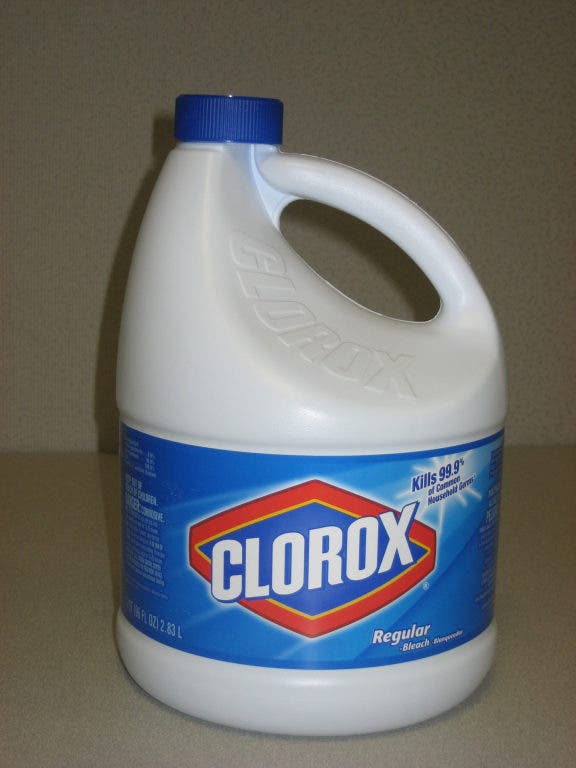
If boiling is not possible or practical, you can use household liquid bleach to kill microorganisms. Use only regular household liquid bleach that contains 5.25 percent or higher sodium hypochlorite. Do not use scented bleaches, color safe bleaches or bleaches with added cleaners.
Add 16 drops of bleach per gallon of water (about 1/4 teaspoon), stir and let stand for 30 minutes. If the water does not have a slight bleach odor, repeat the dosage and let stand another 15 minutes.
Please note: The treatments described above work only in situations where the water is unsafe because of the presence of bacteria. If you suspect the water is unsafe because of chemicals, oils, poisonous substances or sewage, do not use the water for drinking. Instead, use your stored emergency water until informed by your water provider that your water supply is safe for drinking.
Adapted from the Washington Department of Health’s brochure “Treatment ofDrinking Water for Emergency Use” Publication #331-115.