Health & Fitness
Volunteering During Kitten Season
What does it take to volunteer at a cat shelter? Patience and a willingness to get covered in kitten pee.
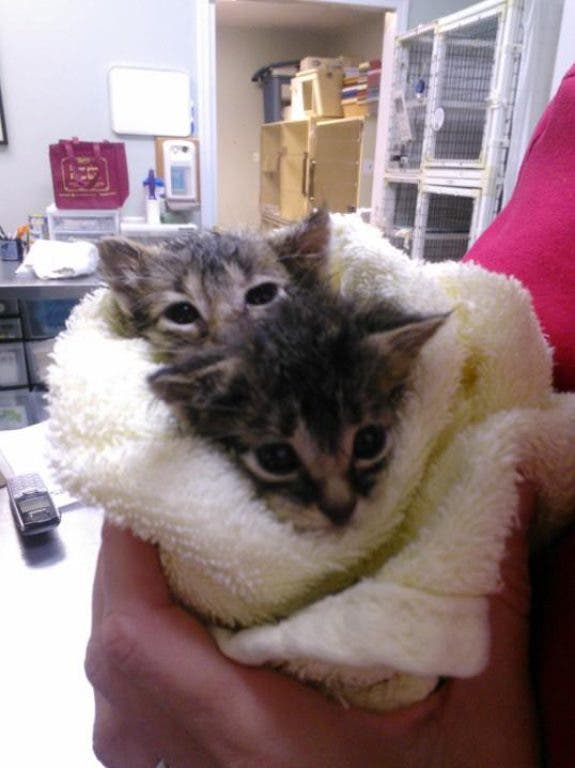


I’ve been volunteering at MEOW (a no-kill cat shelter in Kirkland) for about a month now. Every day I’ve worked I’ve asked, “Is it kitten season yet? Is it kitten season yet?” I’m dying for the day MEOW is filled with purring happy kittens climbing, running, jumping, pouncing on EVERYthing.
Turns out, that scene is actually Phase TWO of kitten season. That phase occurs after kittens are three pounds (about 12 weeks old) and have been spayed or neutered, vaccinated, microchipped, de-wormed/de-flea-ed/de-ear-mited, and are ready for adoption.
Phase One of kitten season started today. And it looked nothing like the happy active scene I anticipated.
Find out what's happening in Sammamish-Issaquahfor free with the latest updates from Patch.
Today, a volunteer rescued a litter of five kittens, about three weeks old, and brought them to the shelter. Not yet weaned and no mama cat in sight. They were mangy: their little back legs were covered in pee and poo, and their little faces were covered in crusty milk and dirt. They were skinny and cold and crabby. Their little mews were loud enough to hear across the entire shelter.
I haven’t seen people move as fast as everyone moved today to help these tiny waifs. Denise bottle-fed the babies. Two of the five figured it out; the rest chewed the nipple and mewed for more. Dwight taught me how to “potty” kittens and watched over me as I took kittens from Diane and rubbed their bottoms till they peed. Bonne gave the kittens subcutaneous fluids to help with dehydration and re-fed those kittens who hadn’t quite figured out how to latch on to the bottle. Carol bathed the kitties, washing off filth and food and checking for fleas and ring worm. I dried the kittens. Dwight kept flannel blankets heating up in the dryer and piled them on the kittens as they went from person to person.
Find out what's happening in Sammamish-Issaquahfor free with the latest updates from Patch.
Once the kittens had been bathed and fed till their little bellies distended, Diane piled them all together on a heating disc, and then went about the “intake” process: creating a “file” for each kitten with their markings and sex. As the kittens age, those files will be updated with information about the kittens: do they seem shy? Have they been introduced to dogs/kids? Have they shown a preference for a particular type of litter or toy? All this info will be available to potential adopters.
Bonne got on the phone and started calling foster families. If these kittens are to survive, they will need a dedicated fosterer to bottle feed them every two hours, around the clock, for the next five to seven weeks. They will need to potty the kittens after every feeding. They’ll need to treat the kittens for fleas, mites, and ring worm if necessary. They’ll transition the kittens to solid food, teach them the litter box, socialize with them, bring them back to MEOW for vet visits and their spay/neuter appointment. Then, fosterers will keep the kittens till they’ve recuperated and are ready for adoption.
For three-week-old kittens, this can be a nine week commitment.
Denise and Bonne are both experienced fosterers, and both are ready to take on this litter if they can’t find anyone else to take care of them.
And neither of them considers this heroic.
For them, it’s just Wednesday.
-- MEOW is a 501(3)c organization that provides shelter and care for cats until they can be adopted into their "forever" homes. MEOW needs volunteers and donations to continue to rescue and shelter cats of all ages while they wait for that perfect adopter.