Health & Fitness
Rare Hantavirus Appears In Western Washington, Sickening 2 People
A highly lethal disease has suddenly reemerged in King County after a 14-year absence.


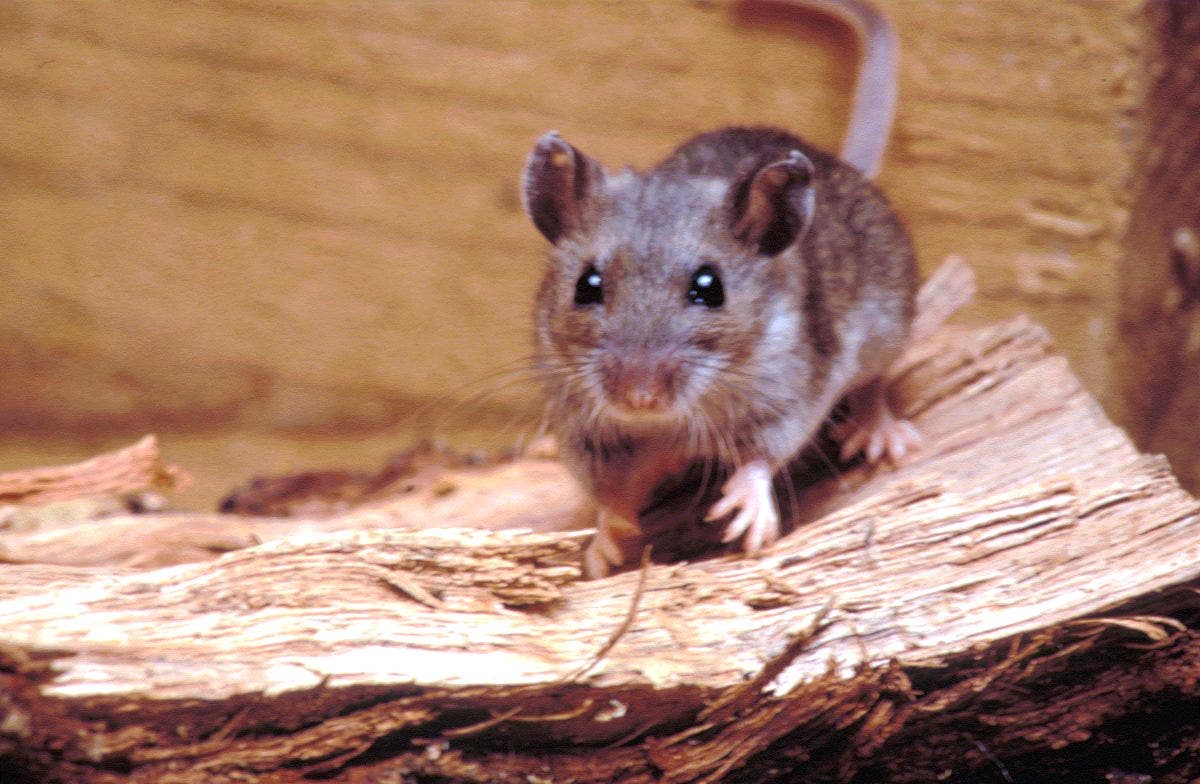
ISSAQUAH, WA - Two King County residents were sickened recently by hantavirus, a highly lethal rodent-transmitted disease rarely seen in Western Washington.
And although the two cases are the first that have originated in King County residents since 2003, health officials are unsure why hantavirus has suddenly reappeared.
One of the people who contracted hantavirus has died. An Issaquah man in his 30s sought treatment at an emergency room on Feb. 23, but died the next day. Health officials say there was a rodent infestation around the man's home, but do not know how the man might've come into contact with the rodents.
Find out what's happening in Sammamish-Issaquahfor free with the latest updates from Patch.
In Washington, hantavirus is carried by deer mice, which are generally found in wooded areas, but not usually inside urban areas like Seattle or Bellevue. Humans contract hantavirus in our area by coming into contact with feces or urine from infected deer mice.
The second person sickened by hantavirus was a Redmond woman in her 50s; she was sickened in December and eventually recovered. Her husband has speculated that she was sickened by an infestation in her car's air filter.
Find out what's happening in Sammamish-Issaquahfor free with the latest updates from Patch.
Hantavirus was first identified in 1993 in New Mexico. At the time, health officials found that a particularly rainy winter contributed to a rise in the rodent population, which increased human-rodent contact. However, Dr. Jeffrey Duchin, Health Officer for Seattle and King County Public Health, said that health officials do not yet know exactly why hantavirus is here. Duchin has been in touch with ecologists who might be able to offer insight into changes in the local deer mice population.
"It may be a sad coincidence, or indication there has been a change in the ecology of deer mice and that there's more human exposure risk factors," he said.
Neither the Redmond patient nor the Issaquah patient lived in particularly rural areas, Duchin said, which is where the virus is typically found. Humans commonly run into hantavirus while cleaning out cabins or campers where deer mice have been living. However, deer mice are not the same rodents you find living in your home. And, hantavirus is not present in the rats in Western Washington.
Hantavirus is deadly, with a mortality rate of about 38 percent, according to the Centers for Disease Control. By comparison, seasonal flu has a mortality rate of up to 2.5 percent, while the average mortality rate for Ebola is around 50 percent, according to the World Health Organization.
Tom Skinner, a spokesman for the Centers for Disease Control, said that the agency is aware of the emergence of hantavirus in Western Washington. In fact, the CDC tracks all instances of hantavirus because it is considered an emerging disease. Infections tend to occur more in arid areas - like Eastern Washington - because it's easier for mice droppings to move through the air.
In 2010, an Everett man contracted Hantavirus while camping in the Wenatchee National Forest near Leavenworth . He survived, but not before a harrowing ordeal that included kidney failure.
"The bottom line is we want people to be aware of the disease, especially when they're going out in rural areas," Skinner said.
Since the initial outbreak in 1993, hantavirus has been detected across the U.S. including in Louisiana, Florida, and New York. Those cases were traced to different types of rodents, however. In 2012, there was a relatively large outbreak traced to people who stayed in cabins at Yellowstone National Park; eight people were infected.
"The thing for people to understand in our area of the country is that hantavirus is a very rare disease. But people need to understand the risk of rodent infestation, and they should take steps to prevent that," Duchin said. "If they have a rodent infestation, they need to take steps to clean that up.
"Anyone who has been in contact with rodent nests or an infested area and who develops symptoms suggestive or consistent [with hantavirus] should mention it to their healthcare provider," he said.
Learn more about hantavirus symptoms and risk factors from King County>>>
Image via King County
Get more local news delivered straight to your inbox. Sign up for free Patch newsletters and alerts.