Schools
Sammamish Families: Tips on Getting Ready for Back to School
What you can do now to ease your kids back to school in Sammamish with tips from Eastside teachers and tutors. Classes start in weeks.
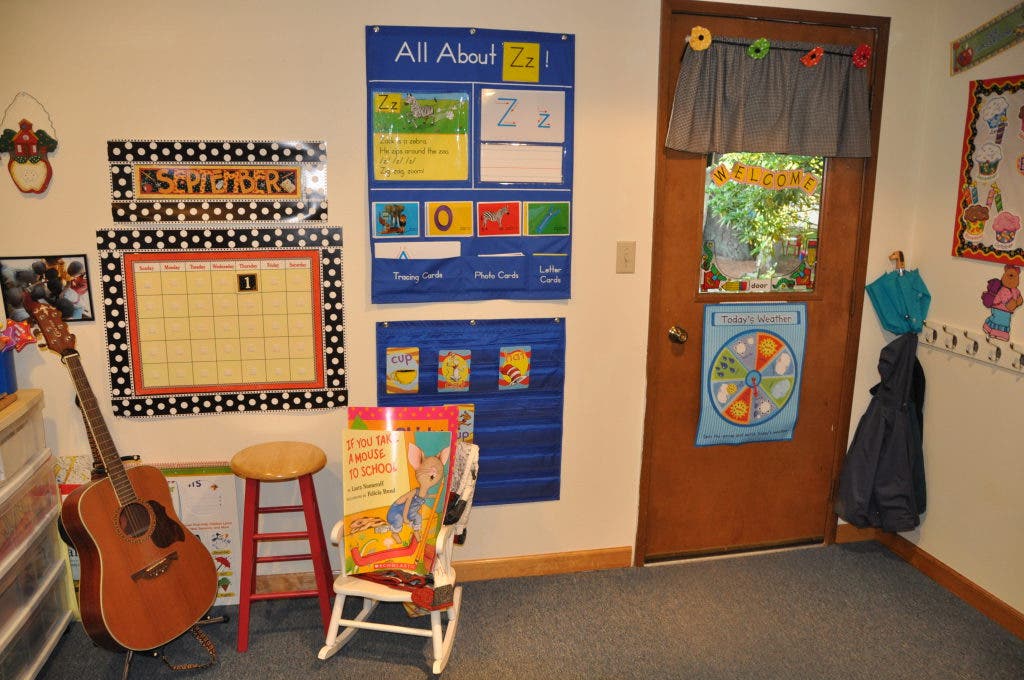


The start of school is weeks away with the starting on Tuesday, Aug. 30 and the starting Tuesday, Sept. 6. I’ve gathered some tips from Eastside teachers and tutors on what parents can be doing in the remaining weeks of summer, and the first days of school, to help kids succeed this coming school year.
How to Prepare for A Successful Start at Preschool or Kindergarten
Judy Holt is director of Redmond’s highly-regarded Community Preschool (425-883-9828). She has over 20 years of experience helping students prepare for their first days of school at both her preschool and her “graduates” for kindergarten.
Find out what's happening in Sammamish-Issaquahfor free with the latest updates from Patch.
It is important, Holt said, to discuss concerns the child might have about the coming school year and assure the young person that school is a fun place, where there will be lots of things to do and new friends. If the school’s playground is open to the public, take your child there to play. Practice basic skills such as taking on and off coats as zippers and buttons can be a challenge at first for little kids.
If your child will be eating lunch at school, make sure he or she can open water bottles and food containers and practice unpacking a lunch box, Holt said. Review basic skills for an incoming kindergartner such as colors, numbers and letters. If you can find out which kids will be in your child’s class, make some play dates before school starts. Attend any “meet and greets” this month that will give your child and you a chance to connect with his or her teacher and see the classroom.
Find out what's happening in Sammamish-Issaquahfor free with the latest updates from Patch.
If your child is anxious about taking a bus to school for the first time, Holt said: “Remember mom or dad can wait at the bus stop with the child, then drive behind the bus the first day and meet the child at school.”
“Remember also to bring your camera for a first day of school photo,” Holt added. “Always say goodbye and let him or her know who will be picking him or her up or meeting him or her off the bus.”
Address Any Challenges Identified Last Spring If You Haven’t Already
Dave Zook is Director of Big Brains Education Enrichment, a tutoring service based in Bellevue. If your child came home in June with a report card indicating he or she is having some challenges, Zook said now is the time, before school starts, to connect with a tutor to help the student. “If kids do work over the summer, tutors are able to completely focus on shoring up basics and foundational skills which always pays the biggest dividends long term,” he said.
Zook said parents of elementary-age kids also can review math skills at home this month. Knowing addition, subtraction, multiplication and division without using a calculator helps. Parents of middle or junior high students can work on fractions and order of operations with their children.
Zook offered parents best practices they can do at home this month. The suggestions are from successful habits of his students who are doing well in school. “Reading, reading, reading,” he said. Zook added that it's good for parents to also find out: “Does your child know their basic math facts?” Don’t assume, he said, they do as he finds some of his students who are in high school depend on calculators and still struggle to master basic math skills.
He suggested to parents: “Print out a multiplication chart (also available at Bellevue's ) and quiz your student. If they miss or are slow, circle it. After you know what they don't know, choose three facts. Drill them on them every time you get in the car for 30 seconds. Within a day or two they'll know them. Then, switch to three more. And so on. Soon, even the most stubborn calculator user will be working faster and more accurately."
Zook also encouraged parents to talk about expectations for their child now, before the school year starts. One good approach: Remember to be a supportive partner in a child’s education throughout the year. “Be consistent. If you value education for your child then you have to make sure that they do what is necessary. There are no excuses for frequently not completing assignments and not doing extra-credit when offered," he said. "Nice clothes, sports, cars, toys, sleepovers, camps, cell phones are privileges that are earned, not rights.”
Don’t Assume You Can “Let Go” in Middle or Junior High School
Karen Todd is a retired Lake Washington school teacher who taught for both the Quest program and general education classes at in Kirkland. “Many junior high parents tend to back off and you can’t do that," Todd said. "I frequently remind parents of eighth graders, 'you are still in charge.'”
Look for school forms in the mail this month and fill them out with your student. Also, take note of important event dates on the school’s website and make sure your child attends. Also make sure your child has everything on his or her supply list before school starts. “Talk to your kid about the things he or she is worried about and don’t assume they are not stressed,” Todd said.
You should be monitoring your child's computer and cell phone activity now and throughout the school year. “Lots of stuff starts happening in junior high and you need to let your kid know you are monitoring him or her,” she said.
Todd suggested to start backing up your child’s bedtime now, so that getting up earlier isn’t such a shock the first day of school. Now is also the time she said to “have fun with them, listen to them and encourage reading and quiet time.”
Todd also suggested having students write a letter to themselves about the first day of middle or junior high school – what they are wearing, what they are worried about and what they hope for, that you’ll keep for them and promise not to read, as a treasured memory for them to have in the future.
Remember Your Child’s Teachers Are Your Partners In Education At Every Age
Rona Chumbook is a recently retired Lake Washington School District world languages teacher. She has over 20 years of experience teaching students from sixth grade through community college.
Teachers in middle, junior high and high school, she said, want to know about their students. She encouraged parents to send teachers a brief email before school starts about any specific challenges your child has. Topics could cover learning, hearing or vision or new situations that have arisen over the summer that may be stressing him or her. For example, a parent's job loss or divorce could affect a young person's academic performance.
Once school begins, encourage middle, junior high and high school students to connect with some “study buddies” to discuss homework and lessons.
“Talk to your child about accessing teacher expectations,” Chumbook said. If your child is getting a cell phone for the first time, be sure to “coach your child when and where they can use the phone and to follow school rules.”
Remember, kids entering middle school or junior high will need a much bigger and sturdier backpack. Help your junior high child, Chumbook said, by acquiring some organization tools before school starts. A binder, mini stapler, paper clips and white out are good tools to have on hand. You can find them right now at many stores including , , and . For kids that are chronically disorganized, Chumbook said providing gallon-size zip lock bags can help them quickly sort their papers by class before jamming everything into a back pack.
Be mindful of how much the jobs of teachers have changed since you were in middle, junior high and high school, Chumbook said, and be respectful of their time. Communicate important information with teachers in short and concise emails. Offer to help with supplies as needed.
“Teachers appreciate hand sanitizer, tissues etc. for their classrooms that are no longer supplied, but ask what they need,” Chumbook said. “Parents should view their child’s teacher as a team member and make an appointment early in the school year if the child has ongoing challenges that need to be addressed.”