Politics & Government
Judge Temporarily Blocks Seattle's Ban On Crowd Control Weapons
A federal judge granted a "very temporary" pause to the city council ordinance, which would bar police use of most crowd control devices.


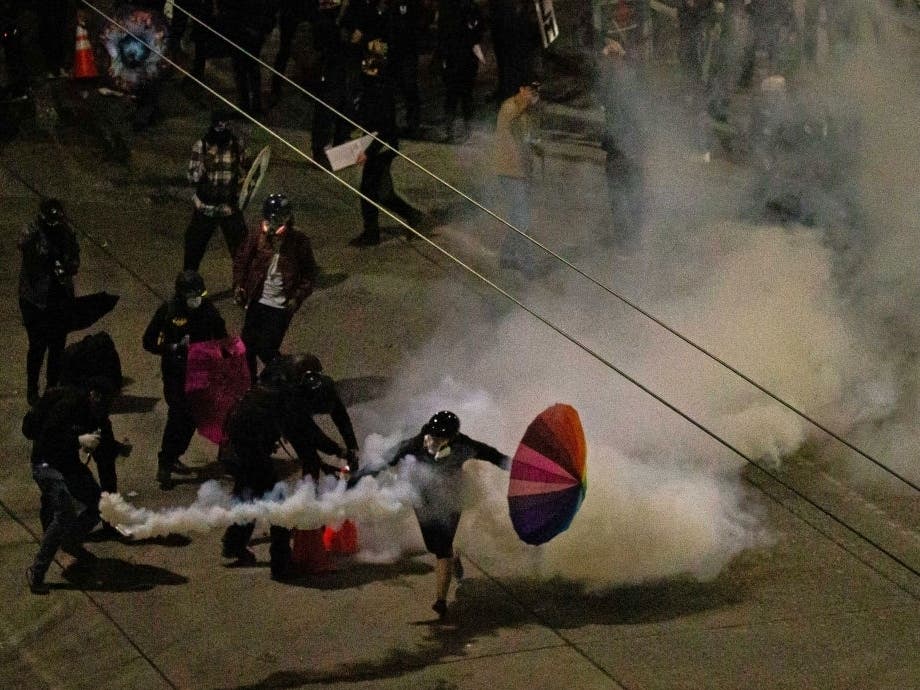
SEATTLE, WA — The federal judge overseeing Seattle's police oversight agreement granted a temporary restraining order late Friday, postponing the enactment of the City Council's ban on most crowd control weapons.
The new ordinance was unanimously approved by councilmembers in late June and was set to take effect early Sunday morning.
Seattle Mayor Jenny Durkan and Police Chief Carmen Best mounted an unsuccessful legal challenge, which failed earlier in the week. On Thursday, Best sent a letter to the City Council, reiterating concerns that the new ordinance would curb the police department's ability to manage demonstrations.
Find out what's happening in Seattlefor free with the latest updates from Patch.
Related: Federal Agents Arrive In Seattle Ahead Of Weekend Protests
The U.S. Department of Justice filed a new challenge Friday, arguing the council's ordinance conflicted with the consent decree, the city's federal oversight agreement in place since 2012.
Find out what's happening in Seattlefor free with the latest updates from Patch.
In a late-night hearing conducted over Zoom Friday evening, Judge James Robart ruled in favor of the DOJ and said his order would be "very temporary," pending feedback from Seattle's three police accountability branches.
In Robart's ruling, he agreed with the contention that removing "all forms of less lethal crowd control weapons from virtually all police encounters" may not increase public safety, without time for training in "alternate mechanisms to de-escalate and resolve dangerous situations."
Robart continues:
"The City is anticipating significant and potentially dangerous protests this weekend just as the Directive and the CCW Ordinance go into effect. The issuance of this immediate change, without time for additional direction or training, is likely to result in officer confusion, particularly if the Directive or CCW Ordinance undergo additional changes after review by IG, OPA, the parties to this litigation, and the court. These additional changes to policy risk whipsawing officers through three varying sets of expectations in less than one month."
Under Robart's ruling, police are still subject to a previously extended temporary restraining order, which allows for the use of pepper spray, tear gas and flash-bangs only under certain conditions, and with direct authorization from the police chief.
The ordinance passed by the Seattle City Council would bar officers from using items like flash-bangs, blast balls and tear gas in all instances, while allowing for use of pepper spray in certain scenarios, and when no one but the intended target is hit.
In a statement published Saturday morning, Chief Best said her officers would carry pepper spray and blast balls during weekend protests, but pledged that the department would not deploy tear gas.
Robart's temporary restraining order will expire in two weeks, unless extended by the court. An update is due by Wednesday, Aug. 1.
Read the full text of the temporary restraining order below:
Get more local news delivered straight to your inbox. Sign up for free Patch newsletters and alerts.