Schools
Chef Sarah DeRuyter Brings Global Perspective and Kitchen Leadership to Zag Dining
Chef Sarah DeRuyter blends global flavors and hands-on leadership to create a dining experience rooted in culture, creativity, & connection.


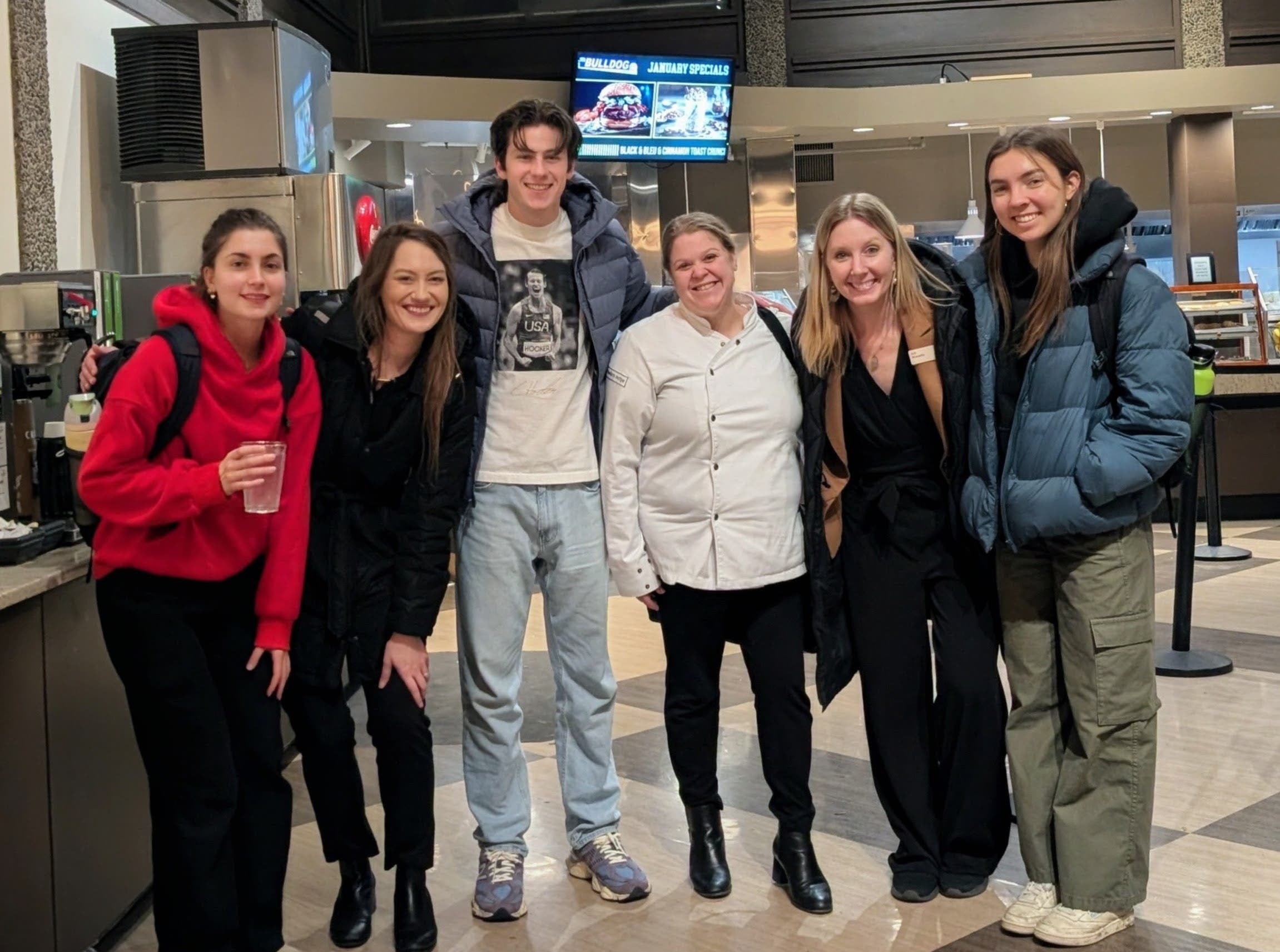
SPOKANE, WA - At Gonzaga University, the dining program plays an important role in daily campus life. Meals bring students together, offer a sense of familiarity far from home, and introduce new flavors that reflect the many cultures represented on campus. Helping shape that experience is Campus Executive Chef Sarah DeRuyter, whose culinary approach draws from international travel, hands-on leadership, and a strong belief in the power of food to create connection.
Students at Gonzaga arrive from across the country and around the world. For Chef Sarah, that mix of backgrounds presents a unique opportunity. Through carefully developed menus, she introduces global flavors while keeping dishes accessible and appealing in a university dining setting.
“Students here come from many places, and food becomes a natural way to celebrate that while also introducing new shared experiences,” she says.
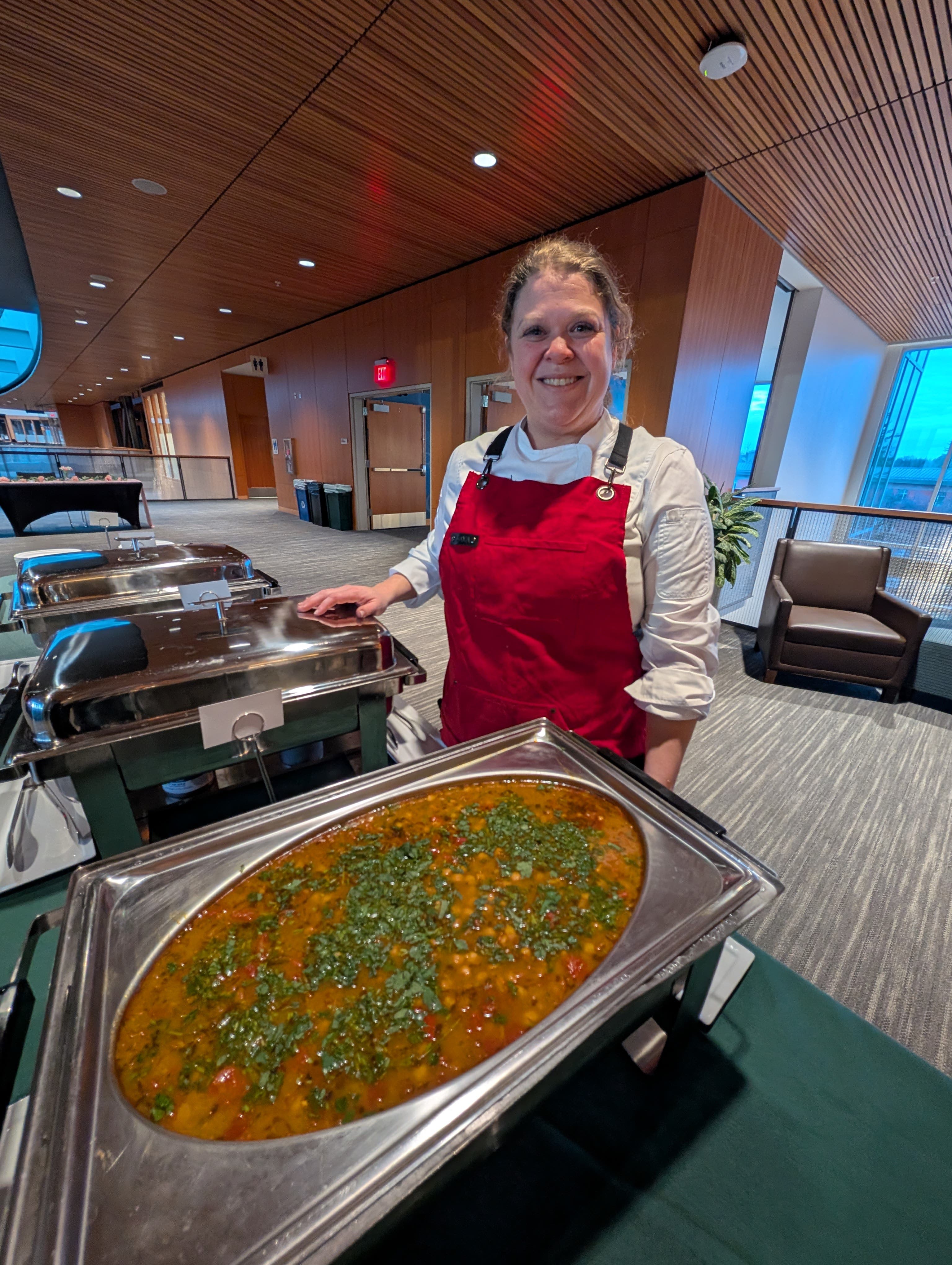
Her menus often begin with the flavor foundations of traditional cuisines and adapt them for the pace and scale of campus dining. Asian street food influences—bright citrus, chili heat, savory sauces, and fresh herbs—may appear in customizable noodle or rice bowls that allow students to build a meal suited to their tastes. Latin culinary traditions might inspire slow-braised meats prepared for tacos and quesadillas. Middle Eastern spices may bring depth to roasted vegetables in a grain bowl, while rich curries can find their way into a stir-fry station.
The goal is to respect the flavor profiles and culinary traditions behind these dishes while presenting them in ways that work for a busy dining hall.
“The idea isn’t to recreate dishes exactly as you’d find them abroad,” Chef Sarah explains. “It’s to respect the flavors and the culture behind them while adapting them for a university dining environment.”
This rotating approach keeps the menu interesting throughout the semester. One day students may encounter Indian-inspired dishes in an allergen-friendly station, the next day Jamaican seasoning in a vegan concept, and another day a familiar comfort dish with a global influence.
“In three words: exploration, community, and great food,” she says.
While menu development plays a major role in the dining program, Chef Sarah’s responsibilities extend into the kitchen culture as well. In a high-volume campus environment, where teams prepare large numbers of meals each day, leadership and communication shape how smoothly operations run.
“As Campus Executive Chef, I’m responsible for creating a kitchen culture where people feel proud of the food they serve and energized about the work they do,” she says.
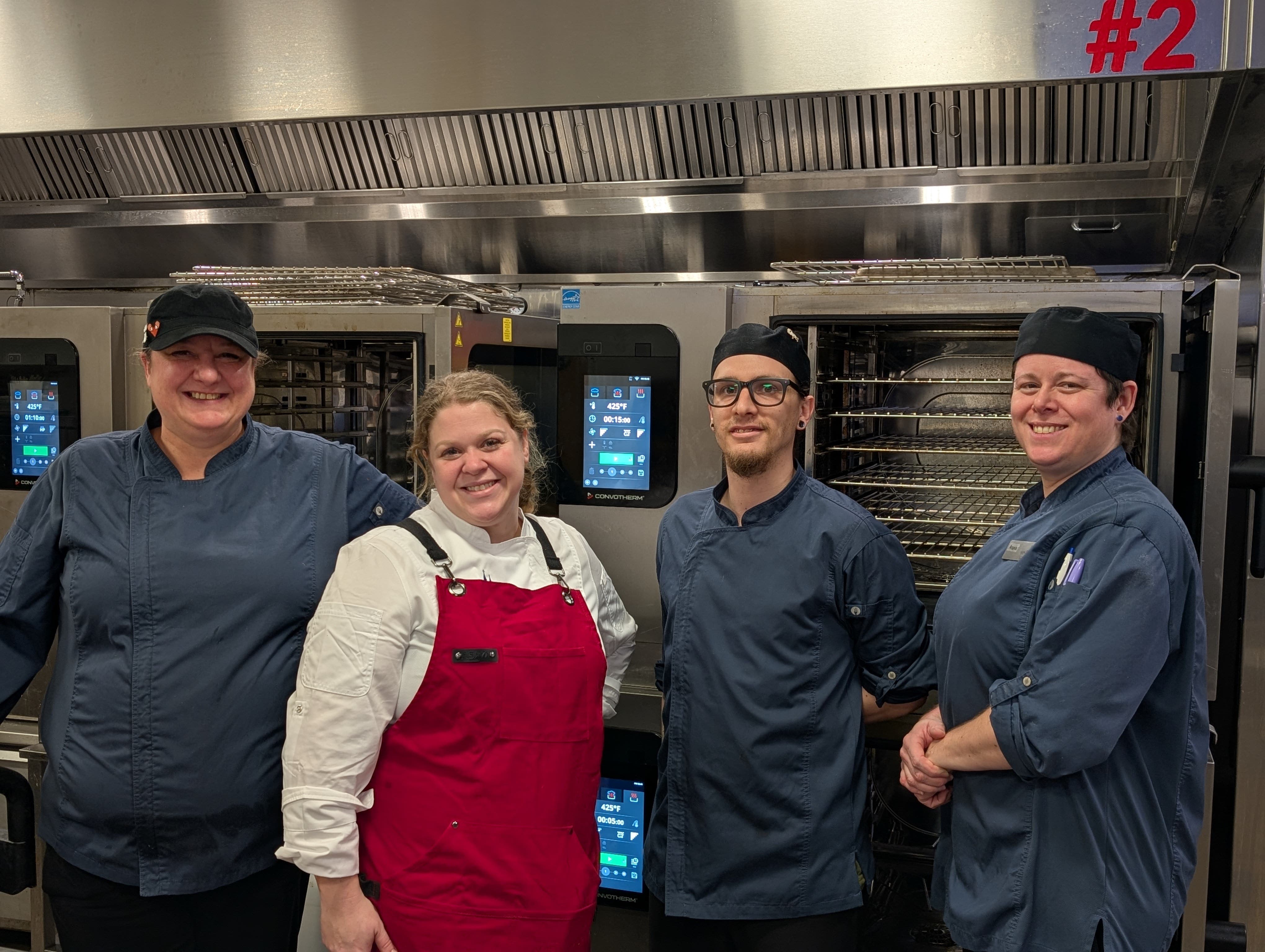
Chef Sarah places strong value on visible leadership. She spends time both in the kitchen and on the service floor, stepping in wherever needed during busy periods. Whether assisting with prep work, joining the line during peak service, or tasting dishes alongside the team, her presence reinforces a sense of shared effort.
“That visibility builds trust,” she says. “When the team sees you willing to work beside them, it shows that everyone is part of the same effort.”
Daily communication keeps the kitchen organized and focused. Brief team meetings review menus, anticipated volume, and safety reminders while also providing a moment to recognize strong performance.
“Sometimes it’s as simple as acknowledging that someone handled a challenging shift really well,” she says. “Recognition matters.”
Professional development is another priority. University dining offers opportunities to explore global cuisines and emerging food trends, and Chef Sarah encourages her team to take part in that process. Cooks contribute ideas for specials, participate in menu planning, and occasionally lead feature stations.
Friendly cooking challenges, tastings of new ingredients, and cultural food celebrations help keep the kitchen creative and engaged.
“When cooks feel that their ideas count, their enthusiasm grows,” she says.
Chef Sarah arrived in university dining after years working in corporate culinary roles. Those positions demanded consistency, operational discipline, and the ability to deliver quality food at large scale. While those lessons remain essential, the campus setting offered something different.
“What drew me here was the chance to connect food with community and education,” she says.
Students interact directly with the culinary team in ways that rarely happen in traditional foodservice environments. Conversations at serving stations often lead to suggestions, questions about ingredients, or excitement around a new dish.
“Students will stop and share what they liked or ask about something they’ve never tried before,” she says. “That kind of feedback encourages creativity.”
Special menus and themed dining events also play a role in keeping the experience engaging. Chef Sarah and her team focus on making these moments interactive so students feel involved rather than simply served.
“I think of every new idea as a chance to create an experience,” she says.
Interactive stations allow students to customize dishes. Cultural influences are sometimes introduced through music, décor, or visual elements that highlight the origins of a dish. The goal is to invite students into the moment and create meals that stand out in their daily routine.
Underneath that approach is a philosophy centered on hospitality. Chef Sarah encourages her team to exceed expectations and create an atmosphere where students feel welcomed and valued.
Mentorship within the kitchen plays an equally important role. Chef Sarah believes strong kitchens develop through shared knowledge and steady guidance.
“Mentorship is essential in any great kitchen,” she says. “Curiosity and creativity should be encouraged.”
Team members work alongside experienced chefs through regular coaching and training. At the same time, clear recipes and established processes maintain the consistency students rely on each day.
“It’s about giving people the tools and confidence to try new ideas while making sure every plate leaving the kitchen meets our standards,” she explains.
Pop-up stations, themed events, and collaborative menu development offer chances for cooks to experiment and refine their skills while still operating within the structure needed for a high-volume dining program.
The result is a culinary team that remains motivated, creative, and focused on delivering meals students enjoy.
For Chef Sarah, the long-term vision for Gonzaga dining centers on discovery. Each meal presents an opportunity to introduce a new ingredient, cooking method, or cultural influence.
“Over time, I’d love for the dining hall to feel like a culinary passport,” she says. “Students might walk in expecting a simple meal and leave having discovered a flavor they hadn’t tried before.”
And in a campus setting where meals help shape daily routines and shared experiences, those discoveries can leave a lasting impression.
This is a paid post contributed by a Patch Community Partner, a local brand partner.. The views expressed in this post are the author's own, and the information presented has not been verified by Patch. To learn more, click here.