Schools
Zag Dining Has Food to Share with the Community
Real-time text alerts turn leftover catered meals into free food for students and staff - cutting waste and fighting food insecurity.

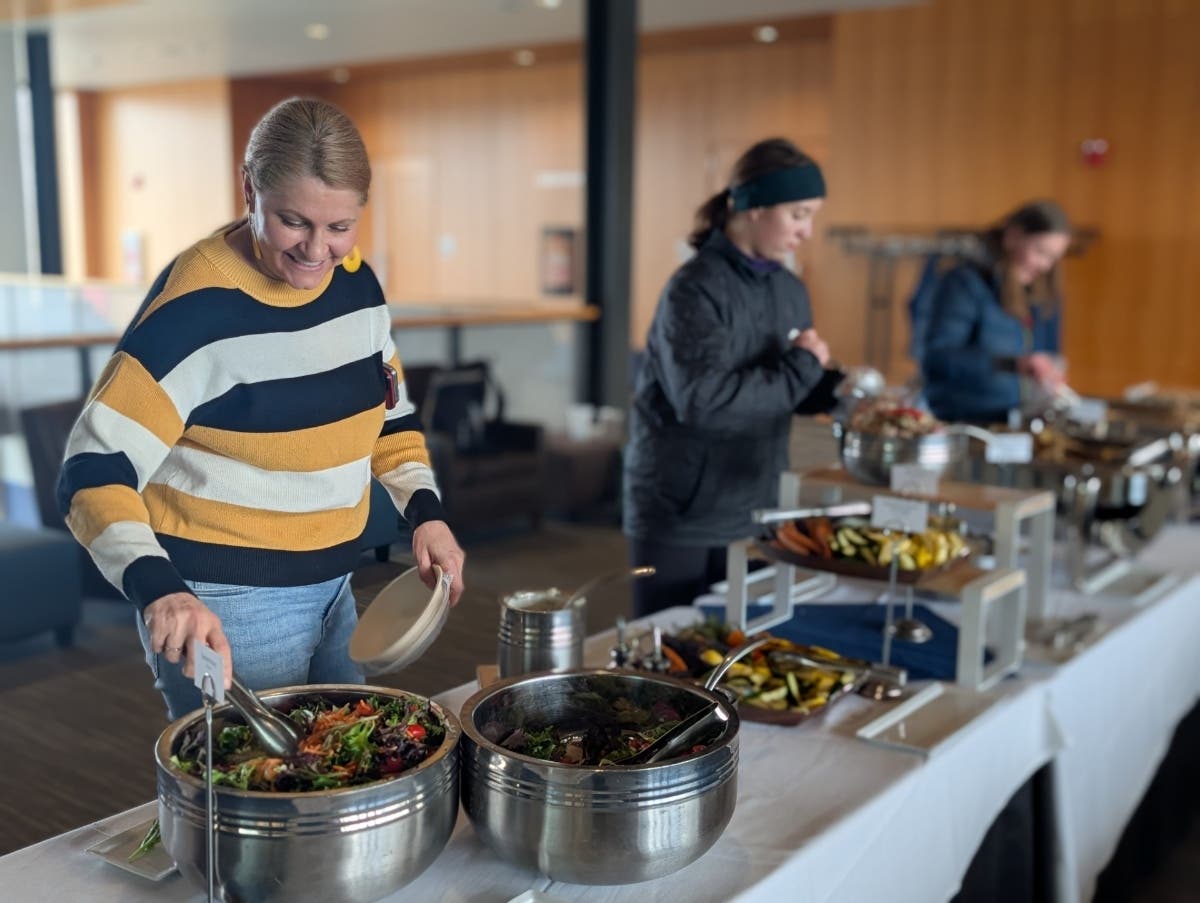
Spokane, WA - At Gonzaga University, Zag Dining is addressing food insecurity and food waste with a simple, direct approach: when large catered events end with food still available, students and staff receive a text and have 20 minutes to come pick it up.
The new program, launched just two weeks ago, allows members of the Gonzaga community to opt into a text alert system. After major campus catering events—sometimes multiple times in a single day—Zag Dining evaluates what food remains and can be safely distributed. A text is then sent to participants, who bring their own to-go containers and head to the designated location to collect meals.
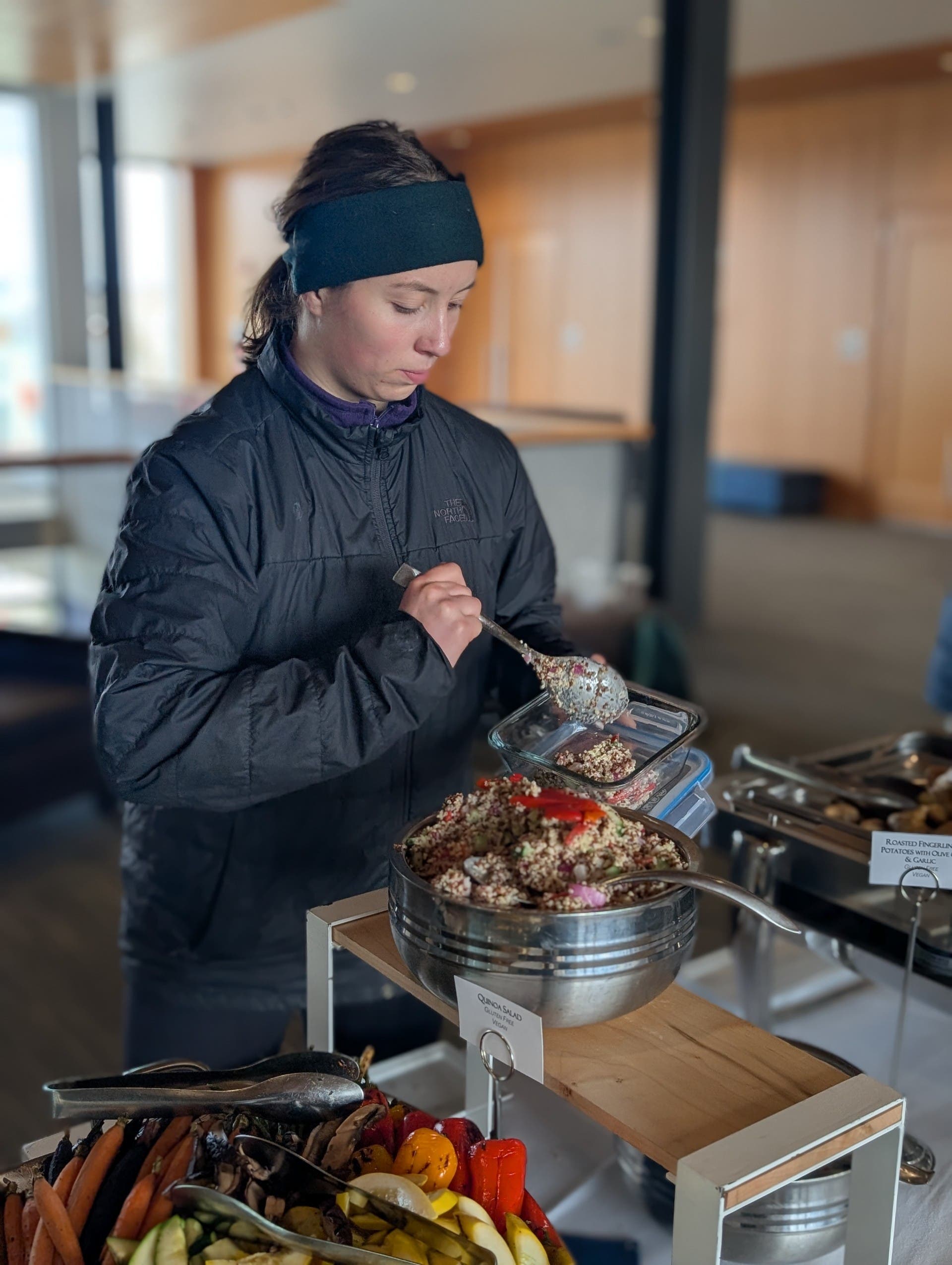
The response has been immediate. In less than one week, 168 students and staff members have signed up for the program, and the number continues to climb.
“This is the best thing ever. I am going to go home and tell all my roommates about this,” said one Gonzaga student after receiving a text alert and picking up food.
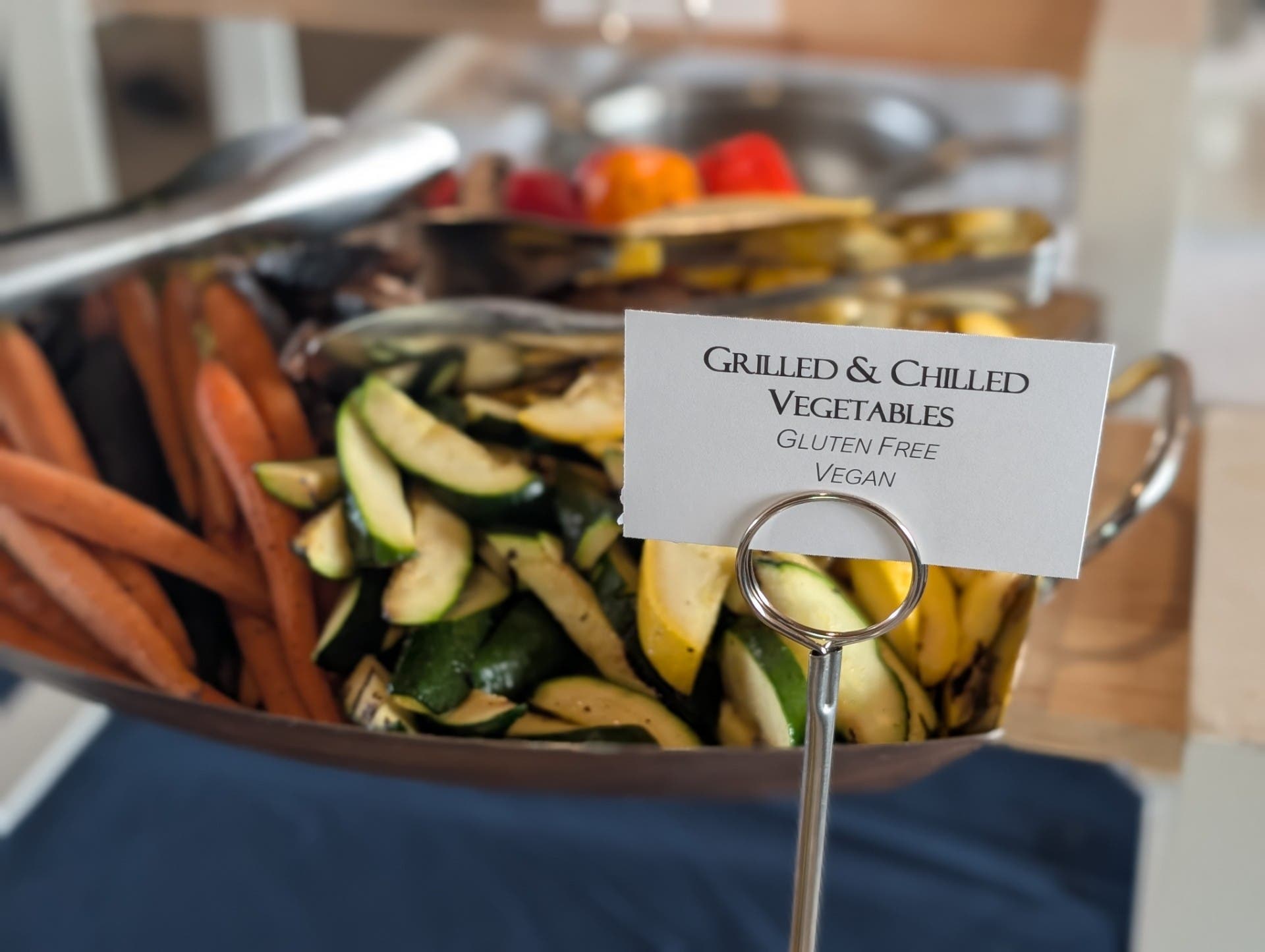
The initiative reflects a growing awareness on college campuses nationwide about the dual challenges of food insecurity and food waste. Even at institutions with strong dining programs, students may face financial strain or unpredictable schedules that make consistent access to meals difficult. By redirecting excess catering food that would otherwise go unused, Zag Dining is creating an efficient, real-time solution.
The 20-minute window keeps the process organized and ensures food is distributed quickly and safely. Because the program is tied to large campus events, opportunities for redistribution occur regularly throughout the academic year.
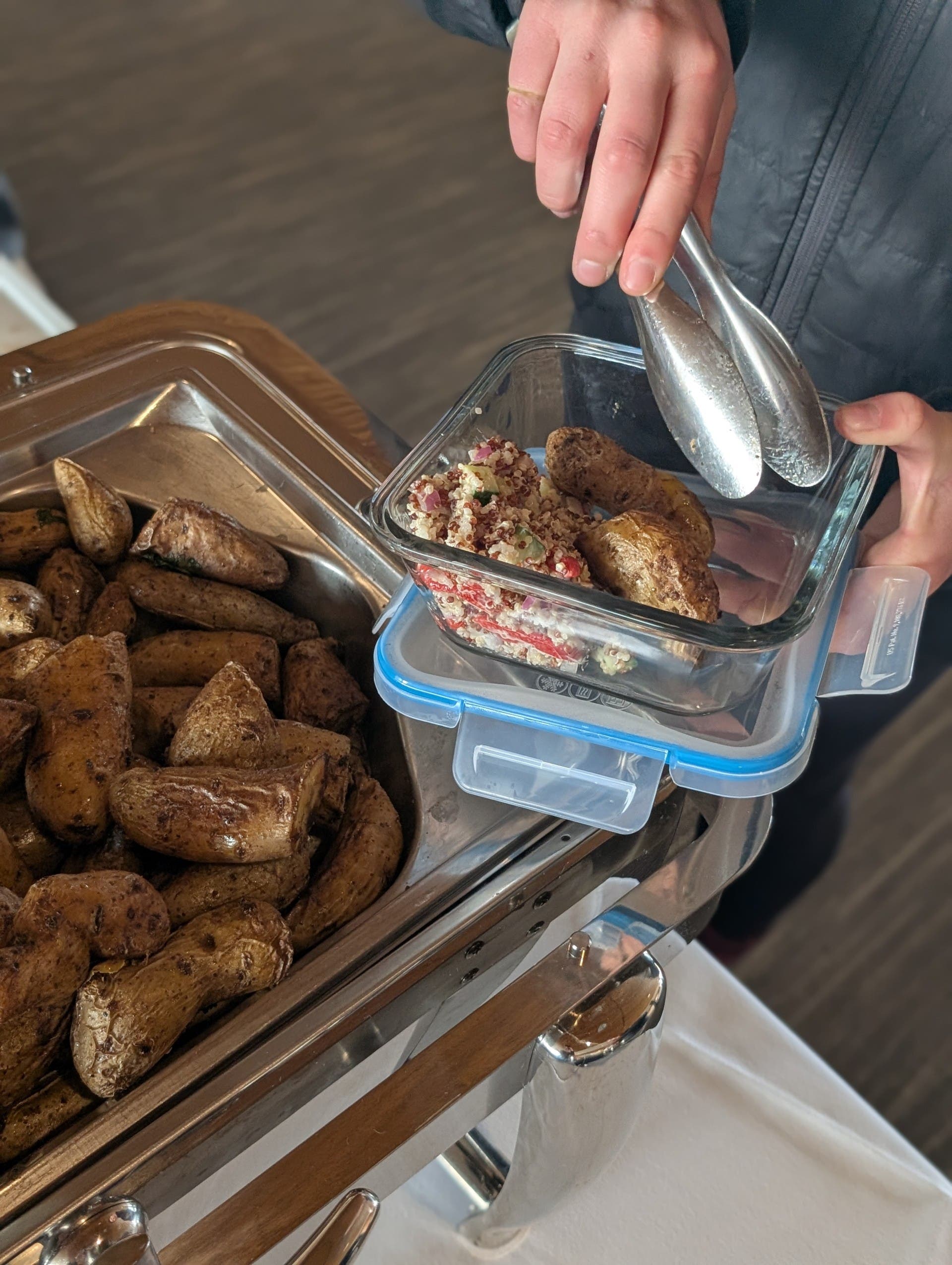
Because the program operates in real time, it turns what could be surplus into something useful within minutes. In less than one week, more than 168 members of the Gonzaga community have signed up, signaling both need and enthusiasm. What began as a practical response to excess catering food is quickly becoming a steady, campus-wide resource.
This is a paid advertorial piece contributed by a Patch Community Partner, a local brand partner. To learn more, click here. The views expressed in this post are the author's own, and the information presented has not been verified by Patch.