Neighbor News
Avoid the Sting of the End of Summer
Learn what stinging insects to avoid as fall approaches
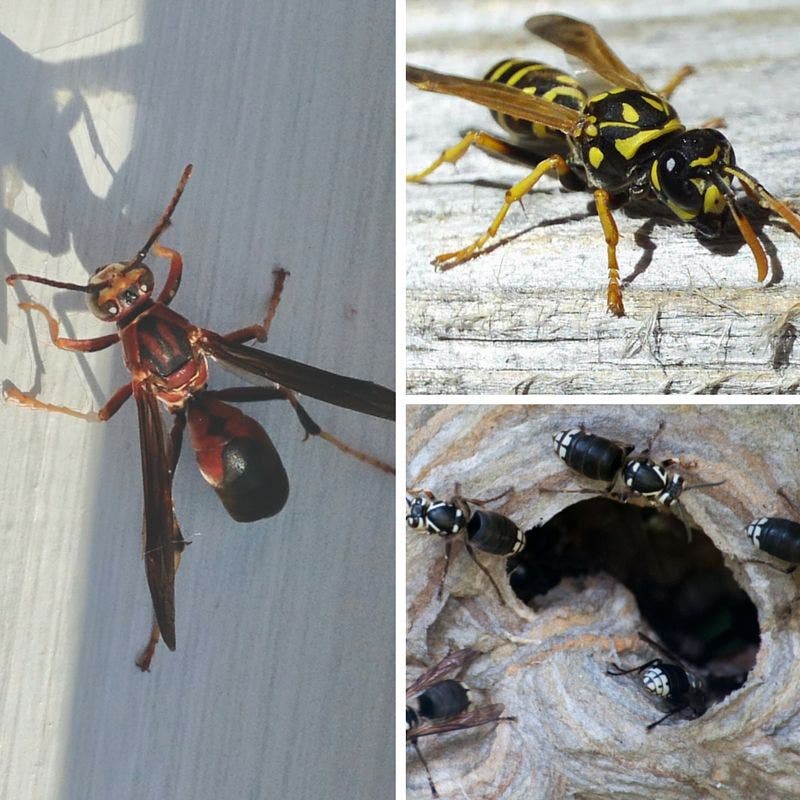
When people see stinging insects, most respond by swatting at them or running away screaming. While these tactics may work, they may also aggravate the stinging insect resulting in a painful sting! This is especially true as the end of summer draws near and stinging insects grow more aggressive.
In the summer, stinging insects are busy building their nests and making colonies. By late summer, the colonies have been established, bringing more stinging insects out foraging for food. With this increased activity, the likelihood of coming in contact with this painful pest grows. More than 500,000 people are sent to the emergency room each year from stings.
To make sure you are not one of the people visiting the emergency room, read about three of the most aggressive stinging insects you will find as the weather cools and tips on how to avoid them.
Find out what's happening in Menomonee Fallsfor free with the latest updates from Patch.
Paper Wasps
- Measure from ¾-inch to 1-inch long
- Can be many different colors depending on the species; including black, yellow, orange and brown with grayish colored wings
- Forms its nest in sheltered areas such as door frames and trees
- Can sting repeatedly and can cause severe allergic reactions in some individuals
- Often use alarm pheromones to call for backup to help defend their nests
- Avoid nests and contact a pest professional for nest removal
Yellow Jackets
Find out what's happening in Menomonee Fallsfor free with the latest updates from Patch.
- Measure between ⅜-inch to ¾-inch long
- Banded yellow and black abdomens, or white and black abdomens, depending on the species
- Form their nests low to the ground, nests can be found under porches or steps
- Known to be aggressive when defending its colony or when nearing a food source
- Can sting multiple times inducing severe allergic reactions in some individuals
- Avoid swatting the insect away when it is nearing a food source
- Check open cans of soda and other sweet liquids for yellow jackets before drinking
Bald-faced Hornets
- Despite their name, this is actually a type of wasp
- Measure ⅝-inch to ⅞-inch inches length
- Black with a white pattern on their face and white stripes on their thorax
- Nests are found in exposed locations such as on trees and utility poles
- Known to be aggressive if the nest is disturbed and can sting multiple times
- Considered beneficial as they reduce populations of unwanted insects such as flies and yellow jackets. They can also help with pollination.
- Avoid nests and contact a pest professional for nest removal
With these stinging insect facts in mind, you will be able to enjoy the end of summer sting-free.
For more information, please visit our website at http://www.wil-kil.com/.
About Shane McCoy:
Shane McCoy is the Quality and Technical Training Director for Wil-Kil Pest Control, a regional pest management company providing quality pest management for residential and commercial properties throughout the Upper Midwest. As an Associate Certified Entomologist with over 20 years of experience in pest management, Shane’s blog provides expert tips and tricks, timely information and solutions for coexisting with the insect life and critters around us. To learn more about Wil-Kil Pest Control, please visit www.wil-kil.com. You can also follow the company on Facebook and Twitter (@WilKilPest).