Politics & Government
Common Council Rejects Cost of Living Adjustment, Moves on Job Reclassifications
1% increase would have gone to Muskego non-union employees. Council rejects the proposal, citing union employees are also going without.

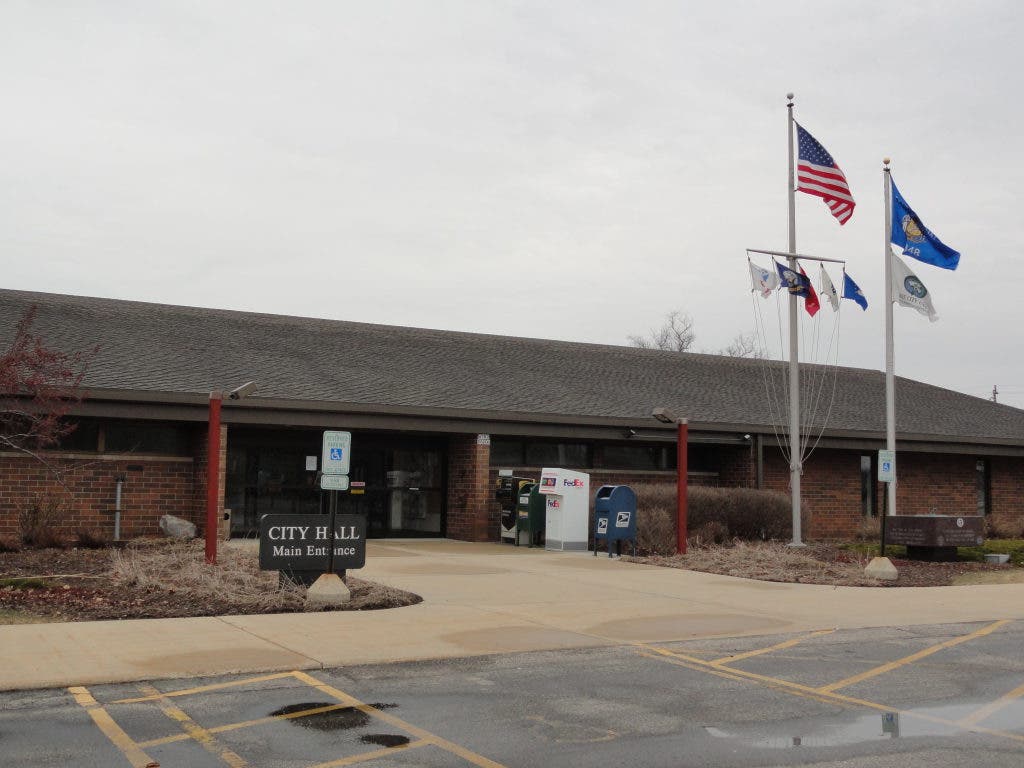
During this past Tuesday evening’s Finance Committee, the committee voted unanimously by a vote of 3-0 to defer a proposed 1% cost of living increase for the city’s non-represented employees to the Common Council so that the full Council would have the opportunity to discuss it later on that same evening. The motion to send the matter to the Council for consideration was made by Fourth District Alderman Keith Werner.
After some discussion by the Council later on that evening, the body voted 6-0 to reject the proposed increase. First District Alderman Tracy Snead was not in attendance.
The consensus by the Finance Committee, which was later echoed by the full Council, was that the city has traditionally sought to treat represented and non-represented employees equally. While the aldermen had nothing but good to say about city staff and praised their hard work, they cited the fact that the unions agreed to no increases this year for their represented employees.
According to a copy of the resolution that was drawn up, the 1% increase was already factored into the city’s 2011 budget.
Also that evening, the Council took up 10 resolutions that would reclassify job titles and pay grades of 10 city positions.
The Council voted to approve Resolution #98-2011, which changes the job title of the Election Clerk/Cashier to Assistant Deputy Clerk and raises the position’s pay grade from 12 to 14. Also approved was Resolution #99-2011, which raises the pay grade of the Utility Clerk from 14 to 15.
Rejected by the Council were Resolutions #100 through #107-2011. Resolution #100 dealt with the Parks and Recreation Secretary, while the remaining seven resolutions dealt with various positions at the Library.
The employees who were affected by these resolutions were individually called into the Council chambers during closed session to speak with the Council.
With collective bargaining for most public employees now restricted, the employees dealt with the Council directly, whereas union representatives would have normally negotiated on behalf of them.