Politics & Government
Memo From DA Upsets Victim's Family
Jennifer Bukosky was killed by a drugged driver, and request from Waukesha County Brad Schimel brought a strong reaction from family members.

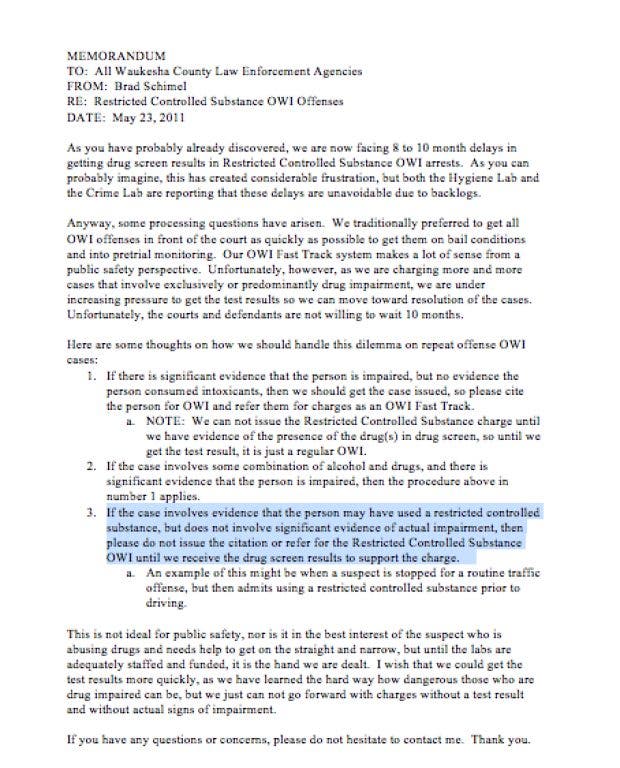
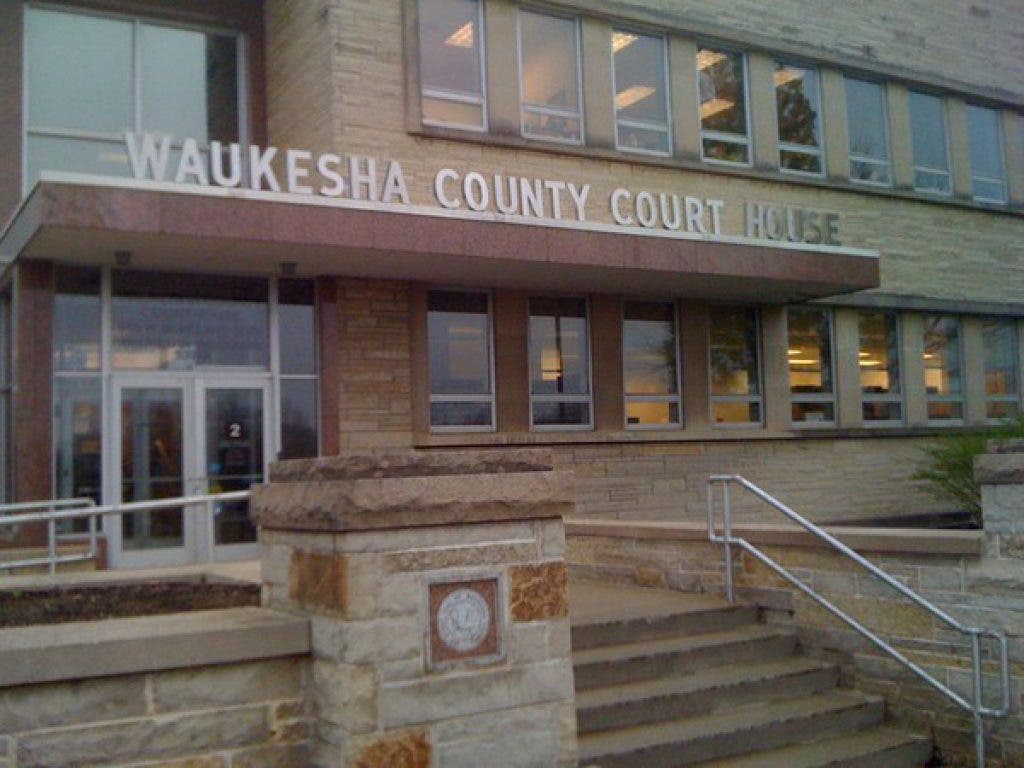
The family of a woman killed by a drugged driver is attacking the Waukesha County District Attorney for a memo that suggested law enforcement officials relax standards for drivers found with drugs.
Paul and Judy Jenkins, whose daughter Jennifer Bukosky (along with her daughter and unborn child) was killed in 2008 by Mark Benson, a drugged driver. They reacted to a memo sent from Waukesha County District Attorney Brad Schimel to law enforcement.
"It is incomprehensible that an officer of the Court would actually direct law enforcement officers to ignore the potential harm drug-impaired drivers pose to the public," the family said.
Find out what's happening in Muskegofor free with the latest updates from Patch.
In the memo, Schimel said, "If the case (of repeat OWI) involves evidence that the person may have used a restricted controlled substance, but does not involve significant evidence of actual impairment, then please do not issue the citation or refer for the Restricted Controlled Substance OWI until we receive the drug screen results to support the charge."
Judy said that she found the message, "extremely disturbing."
Find out what's happening in Muskegofor free with the latest updates from Patch.
"Paul and I are shocked by the blatant disregard he seems to have for the public safety of those who travel on Wisconsin’s roads," she said.
However, Schimel stated in a written reply that "the cases to which I refers only to situations in which the officer does not have evidence of actual impairment" but may give the officer reason to request a blood test.
"Without the test result demonstrating the presence of the restricted controlled substance, however, we have no basis on which to file a complaint. We need either probable cause that the person is actually impaired of evidence that the restricted controlled substance is actually in the person’s bloodstream," Schimel explained, adding they are not able to file charges without at least one substance evidenced in the test.
"I think that we are talking about very rare cases, since there will not be many situations in which an officer has probable cause to arrest a person and demand a blood sample, but there were no signs of impairment," he continued.
The Jenkins' also expressed concern as to "how Mark Benson was charged....admittedly, we have a personal stake in Schimel’s directive."
Schimel defended the stance of the memo, saying "law enforcement (is) taking a much more aggressive approach to attempting to detect and apprehend individuals who are operating under the influence of drugs or with any measureable amount of one of the statutorily restricted controlled substances in their system."
The ensuing increase in the number of blood samples submitted for drug screening has created a backlog of about 10 months without additional funding for additional analysts, Schimel explained.
"Unfortunately, the courts and defendants are not willing to wait 10 months," Schimel wrote.
He added that the OWI law reference in the memo had "no relationship to the Mark Benson case. Mr. Benson was highly impaired and those signs were readily evident, so the third point in my memo would not apply to his case."
Benson is scheduled to come back before Judge Mack Davis on June 8 to ask for a reduction in sentence.
Get more local news delivered straight to your inbox. Sign up for free Patch newsletters and alerts.