Crime & Safety
Holidays Bring Added Pressure To Domestic Violence Victims
What should you say when you know someone who is suffering from domestic violence? A local expert explains.


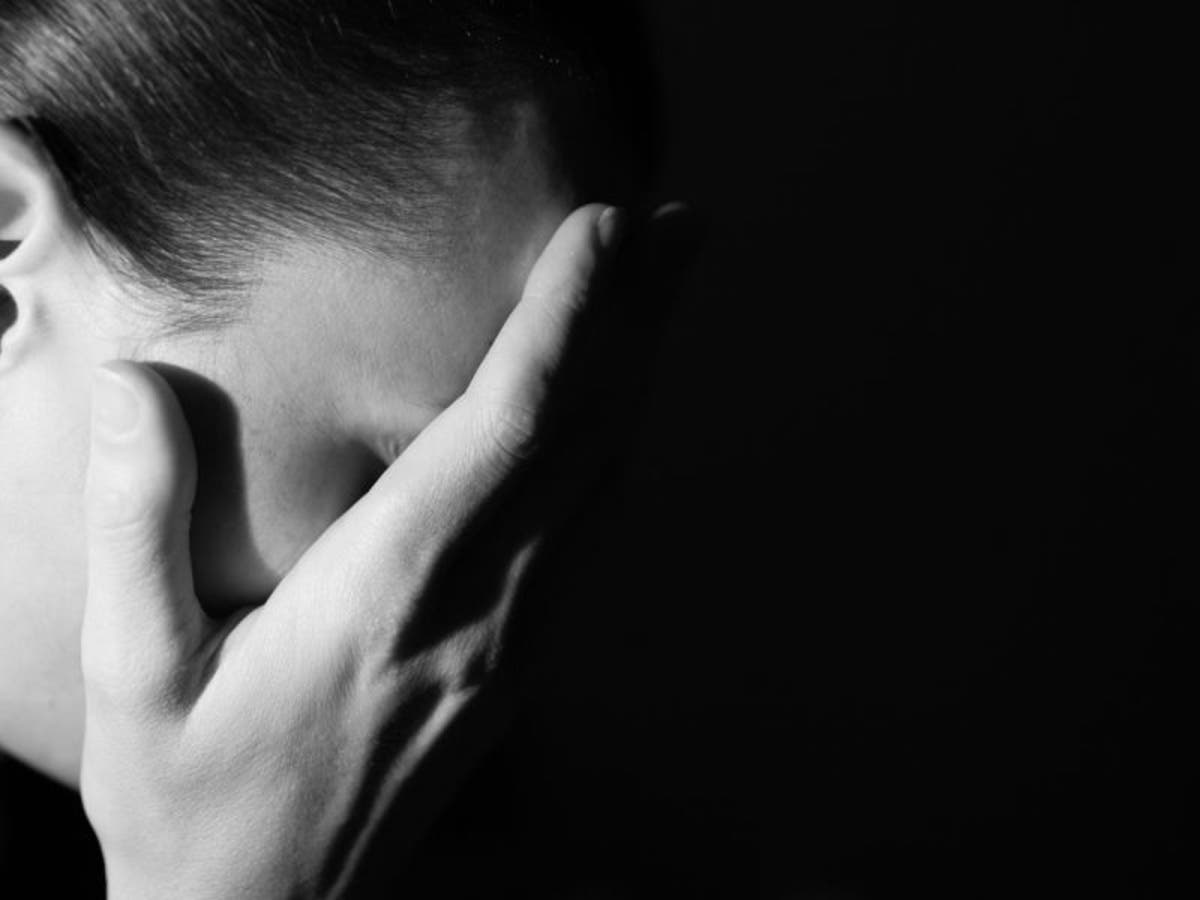
WAUKESHA, WI — As families gather around the holidays, experts say two things happen more often in domestic violence situations: They get swept under the rug and people say the wrong things to help loved ones who are suffering.
Angela Mancuso is the Executive Director of The Women's Center in Waukesha, an organization that serves women, children, and men who have experienced domestic violence, sexual assault, and abuse, including trafficking.
"As human beings, our first reaction is to 'fix it,' she said. "What the victim does not need is more family members stepping in and exercising more control over them. It may be done out of compassion, but it may not be safe or practical."
Find out what's happening in Waukeshafor free with the latest updates from Patch.
Mancuso said being too forceful with someone who is suffering can lead them to become more isolated and can alienate them from their loved ones.
"Encourage family members and loved ones to ask what role they can play. Start by believing them, acknowledging what they're going through, and supporting them," she said. "Try to encourage people to get help when they feel they are ready. We don't know better than somebody else who is experiencing abuse directly."
Find out what's happening in Waukeshafor free with the latest updates from Patch.
Why Do They Stay?
Mancuso said there are a lot of reasons why a victim of domestic violence may stay with their abuser. Financial, cultural and religious reasons all factor in. A victim who shares children with their abuser may feel motivated to keep the family together.
Over the holidays, a victim's motivation to stay with their abuser may become exacerbated. As social activity increases, the victim may not feel assured they can safely get away from their abuser. There is also pressure to sweep patterns of abuse under the rug to avoid scrutiny from loved ones, she said.
"After the holidays we see more of an influx of calls because often victims will tend to stay with their abusers over the holidays," Mancuso said. "Most often the victims want the abuse to end, not the relationship."
What is Domestic Violence?
Domestic violence has a narrow legal definition, and is defined as a pattern of abusive behavior in any relationship that is used by one partner to gain or maintain power and control over another intimate partner. Domestic violence can be physical, sexual, emotional, economic, or psychological actions or threats of actions that influence another person.
According to the Women's Center, the following list can help you determine whether you or someone you care about is involved in an abusive relationship. Not all of these characteristics need to be present for a relationship to be abusive, and characteristics by themselves do not necessarily indicate abuse.
- Feels he/she has the right to dictate your behavior, privileges, or responses and opinions
- Demonstrates ownership of you or extreme possessiveness; says things like “I can’t live without you,” or “You are my whole world.”
- Blames you for her/his problems or behavior
- Isolates you – doesn’t allow you to see your family or friends
- Needs to constantly know your whereabouts; expects you to spend all of your free time with him/her
- Humiliates you in public
- Forces you to have sex or perform sexual acts
- Insists on controlling all of the money, both yours and his/hers
- Refuses to let you go to work or, at the other extreme, forces you to work
- Has no regard for your physical or mental health
- Criticizes your appearance, weight, clothes, etc.
- Pressures you to live together or get married before you are ready
- Angers easily
- Becomes angry when you have a different opinion than he/she does or you don’t take his/her advice
- Shows jealousy toward your children, family, friends or job
- Suggests reasons for you to fear ending the relationship
- Dual personality, i.e., charming in public, aggressive in private
- Displays violent behavior toward other people
- Disregards the law; feels he/she is above the law
- Doesn’t want you to know about his/her past
- Blames all past relationship problems on the ex-partner
- Has a record or history of domestic violence
- Is abusive towards animals
Resources Are Available 24/7
There are a lot of options — even before calling the police, Mancuso said. The center's confidential hotline is staffed to answer questions and offer support 24-hours a day, seven days a week. That number is 262-542-3828, or toll free at 1-888-542-3828. Mancuso said the center gets a lot of calls from people who are in abusive relationships who benefit from simply connecting with an advocate to talk things through. The Women's Center gets about 7,000 calls a year — a little over 19 calls a day — from people suffering from abuse. "Yet for every one call we get, there's two or three people who are experiencing some kind of violence and staying silent," she said.
The center operates a 32-bed emergency crisis shelter for people who are fleeing their home. Mancuso said the shelter represents more than 75 percent of all beds open in Waukesha County for such emergencies.
Calling the Police
In 2016, Waukesha police received 901 calls of potential domestic violence. Of the arrests made, a total of 277 charges were referred to the Waukesha County District Attorney's office, according to police data. Captain Dan Baumann of the Waukesha Police Department said officers bring a solutions-based approach to domestic violence. If, for example, a domestic disturbance does not meet the criteria for criminal behavior, or require an arrest, officers are trained to introduce the best-fitting solution to prevent a future escalation.
"[If the victim is a woman], officers try to get that the victim to the women's center, to get them the support, to get the safety plan in place," Baumann said. "The victim witness coordinator in district attorney's office to helps guide them in the court system. We document the incident with physical and testimonial evidence to to hold the predominant aggressor accountable."
The State of Wisconsin is a mandatory arrest state, which means an officer shall arrest a person if they believe the predominant aggressor has injured the victim, or that continued domestic abuse against the victim is likely.
"In day-to-day common interactions, people don't come home angry with derogatory and mean words and physical violence - it's not typical,
Baumann said. "When it does happen, it's a highly-emotional situation, and we're the ones who come in and mitigate it."
Image Via Shutterstock.com
Get more local news delivered straight to your inbox. Sign up for free Patch newsletters and alerts.