Health & Fitness
Tick-Borne Virus Worse Than Lyme Disease: Wisconsin Has 3rd-Highest Number Of Cases
A rare, potentially deadly tick-borne virus has impacted Wisconsin — and it's worse than Lyme. And spring is the season for it.


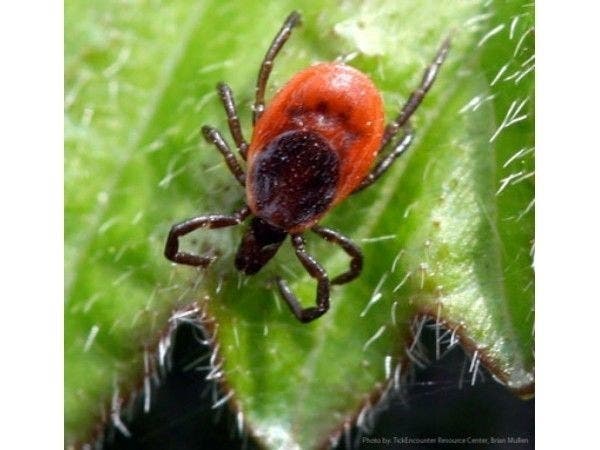
WISCONSIN -- A rare, potentially deadly tick-borne disease has infected people in Wisconsin with multiple cases. And health officials say it's worse then Lyme disease. The same tick that carries Lyme can cause Powassan, otherwise known as POW. It is a virus infection that can impact the nervous system, memory, thinking and balance.
In some cases, it can be deadly, according to health officials. A Minnesota woman died from Powassan in 2011. Brain swelling from the virus is was what caused her death, officials say.
Wisconsin has had 15 cases from 2006-2015, the second highest number in the country, according to The Centers for Disease Control and Prevention. Other states with reported cases are Minnesota, 20; New York 16; Massachusetts, 8; New Jersey, 3; Maine, 2; New Hampshire, 1; Pennsylvania, 1; and Virginia 1.
Find out what's happening in Wauwatosafor free with the latest updates from Patch.
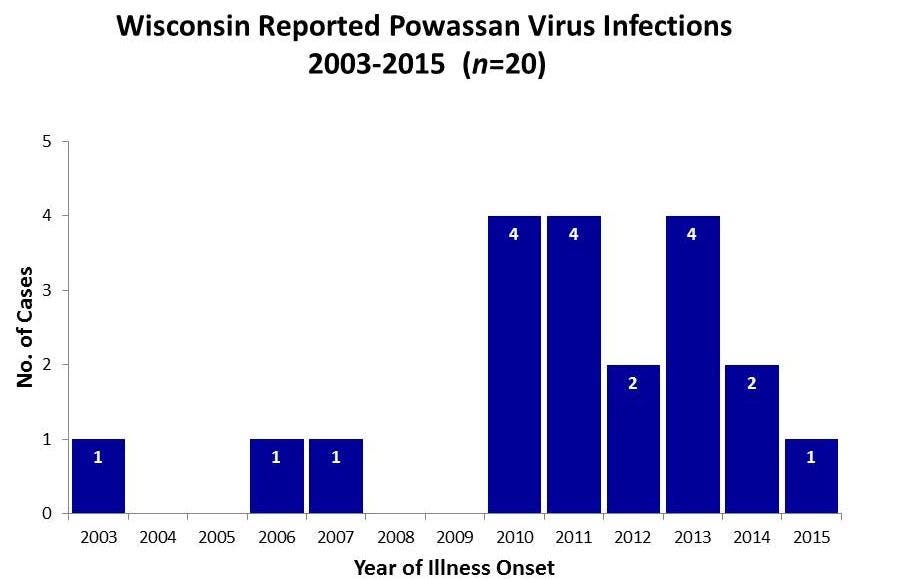
The disease has been recognized in the United States, Canada and Russia. In the United States, cases of POW virus disease have been reported primarily from northeastern states and the Great Lakes region, according to the CDC.
These cases occur primarily in the late spring, early summer and mid-fall when ticks are most active. The CDC did not identify specific locations in Wisconsin where cases have been reported.
Find out what's happening in Wauwatosafor free with the latest updates from Patch.
'Mono-Like' Illness
In one case, a man in 2009, who was attending college in Colorado at the time, "reported raising chickens, frequently drinking unpasteurized milk, and hiking in a wooded area in Long Island during holiday break, and his college roommate had a recent “mono-like” illness," a study reveals. The man recovered after a stint in the hospital.
"A fairly high proportion who get sick and go to the doctor end up with permanent neurological damage," said University of Wisconsin-Madison Entomology Professor Susan Paskewitz in an NBC report, "About half of the people who get it don't have long lasting impacts, but [there] about half who do."
POW virus disease cases are rare, but the reported number of cases have increased in recent years. All residents of and visitors to areas where POW virus activity has been identified are at risk of infection.
People who engage in outdoor work and recreational activities in endemic areas are at increased risk of infection, according to the CDC.
Symptoms
- Many people who become infected with Powassan virus do not develop any symptoms.
- The incubation period (time from tick bite to onset of illness) ranges from about one week to one month.
- POW virus can infect the central nervous system and cause encephalitis (inflammation of the brain) and meningitis (inflammation of the membranes that surround the brain and spinal cord).
- Symptoms can include fever, headache, vomiting, weakness, confusion, loss of coordination, speech difficulties and seizures.
- Approximately half of survivors have permanent neurological symptoms, such as recurrent headaches, muscle wasting and memory problems.
- Approximately 10 percent of POW virus encephalitis cases are fatal.
Treatment
- There are no vaccines or medications to treat or prevent POW virus infection.
- If you think you or a family member may have POW virus disease, see your health care provider for evaluation and diagnosis.
- Persons with severe POW illnesses often need to be hospitalized. Treatment may include respiratory support, intravenous fluids and medications to reduce swelling in the brain.
While it is a good idea to take preventive measures against ticks year-round, be extra vigilant in warmer months — April through September — when ticks are most active.
Here are some tips to avoid infection:
- Avoid wooded and brushy areas with high grass and leaf litter.
- Walk in the center of trails.
- Repel ticks on skin and clothing
- Use repellent that contains 20 percent or more DEET, picaridin or IR3535 on exposed skin for protection that lasts several hours.
- Always follow product instructions. Parents should apply this product to their children, avoiding hands, eyes and mouth.
- Use products that contain permethrin on clothing. Treat clothing and gear, such as boots, pants, socks and tents, with products containing 0.5 percent permethrin. It remains protective through several washings. Pre-treated clothing is available and may be protective longer.
Patch file photo
Reporting by Tom Davis
Get more local news delivered straight to your inbox. Sign up for free Patch newsletters and alerts.