Arts & Entertainment
BACKSTAGE AT THE BAMA: County Leaders Share Plans For Future Of Historic Venue
Here's what Tuscaloosa County leaders are envisioning for the Bama Theatre after recently purchasing the historic downtown venue.


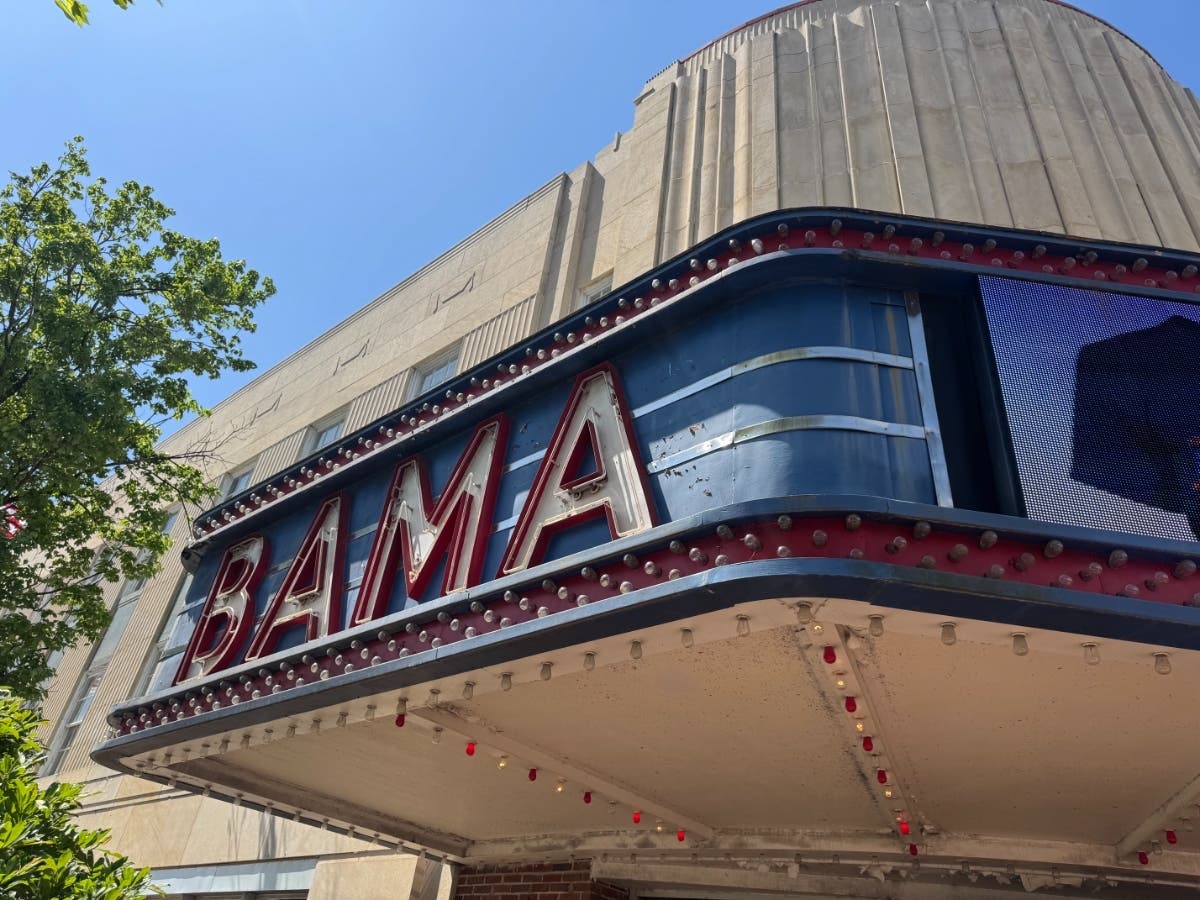
TUSCALOOSA, AL — Leaders with the Tuscaloosa County Commission say its recent acquisition of the Bama Theatre is aimed at preserving one of the city’s most iconic landmarks while expanding its role as a centralized hub for the arts and community.
Click here to subscribe to our free daily newsletter and breaking news alerts.
During a recent walkthrough of the historic downtown venue, officials outlined a vision centered on restoration rather than redevelopment, emphasizing that the building’s historic character will remain intact.
Find out what's happening in Tuscaloosafor free with the latest updates from Patch.
“We’re not going to change any of that, we just want to restore it,” District 1 Commissioner Stan Acker told Patch, noting plans to repair windows, address wear and tear, and make cosmetic improvements while preserving its architectural integrity.
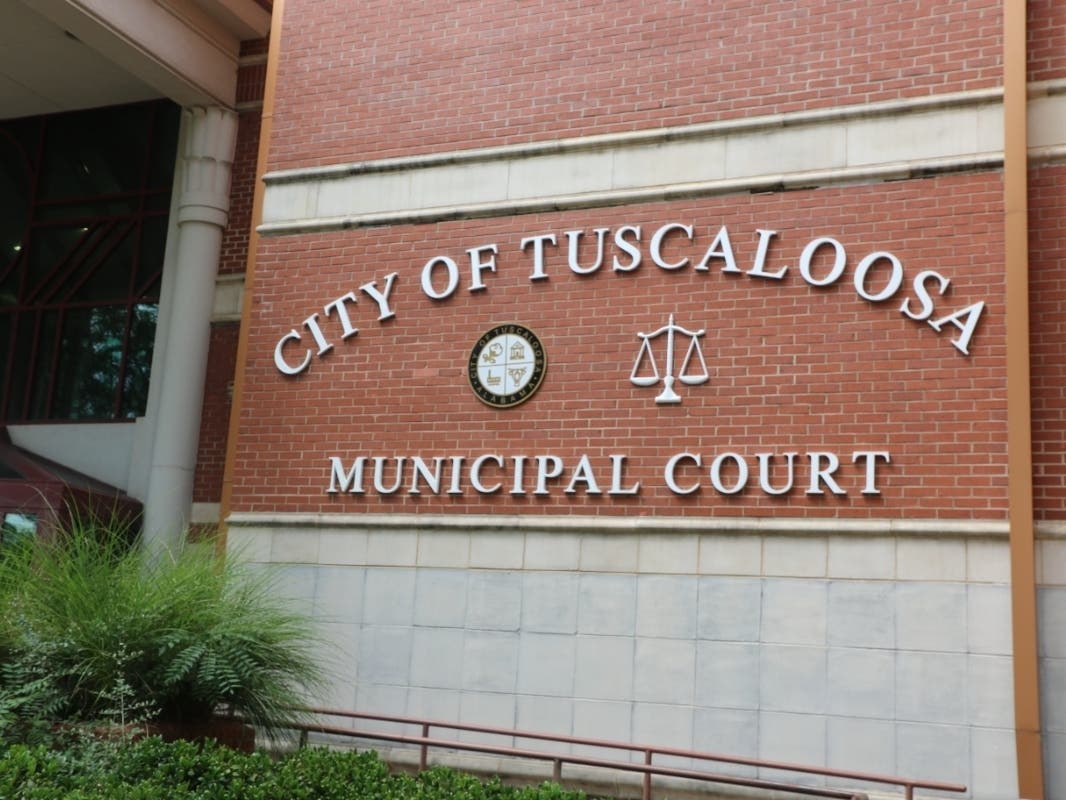
As Patch previously reported, the County Commission closed on the purchase of the theatre from the Tuscaloosa County Park & Recreation Authority (PARA) in March.
Find out what's happening in Tuscaloosafor free with the latest updates from Patch.
"It's your tax money," District 3 Commissioner Mark Nelson said. "We saved your theater for you and we spent your money to do it. It's not our money."
Acker then said the $3.5 million for the purchase came from the county's general fund.
"We're happy we're able to preserve it," he said. "The [county] school system is using it for beauty pageants and performances for places like Brookwood and Northside who don't have an auditorium. So, one of the goals is to give them a place to do that."
Though the building remains structurally sound, Acker said, several infrastructure needs were identified, including elevator repairs, aging windows and additional maintenance work throughout the facility.
What's more, visible efforts have been undertaken to modernize amenities such as lighting and water fountains, just to name a few.
Acker also said the building was drastically impacted by flooding after a pipe burst in recent months while it was occupied by PARA.
Nevertheless, county leaders say the longterm goal is to maximize the building’s use, particularly through opening up underutilized space to local arts organizations and nonprofits.
Tuscaloosa Patch was shown extensive office space that currently sits empty — an aspect of the venue that the County Commission hopes to improve upon and offer for use to different groups.
“We’re not going to try to make a profit off of them,” Acker said. “We basically want to say, you pay rent enough to cover the electrical bill, plumbing. We’re never going to recoup capital funds.”
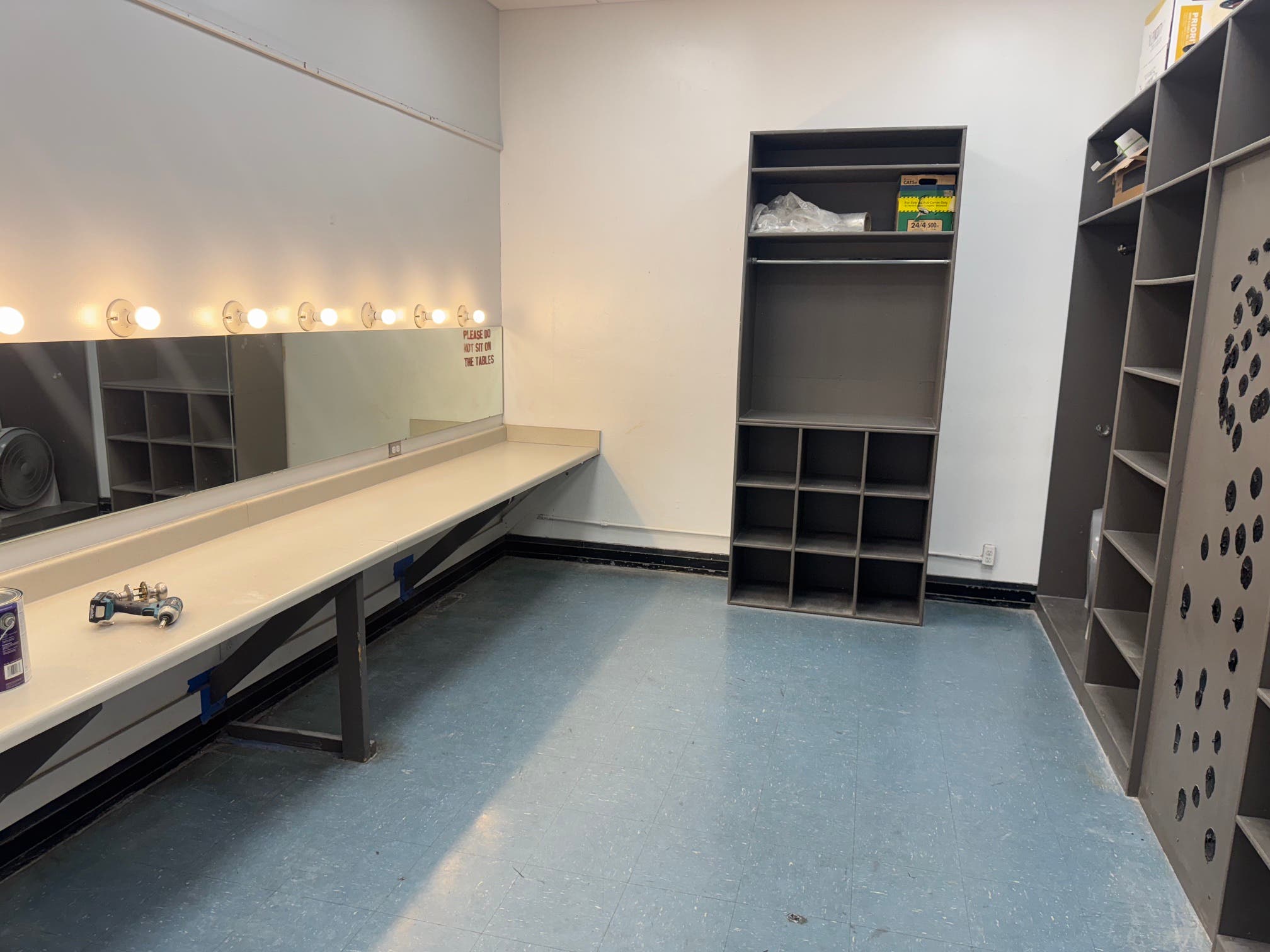
Acker said the hope is to provide office space for groups such as the Tuscaloosa Symphony Orchestra, Tuscaloosa Community Dancers and other nonprofits, placing them in a central location in downtown and near the University of Alabama campus.
Beyond office space, the Bama Theatre will obviously continue hosting a wide range of programming.
Officials pointed to recent events including ballet performances, stage productions, films and concerts to underscore the venue's popularity.
“The diversity of the people that have played here is truly amazing," Arts Council of Tuscaloosa Executive Director Sandra Wolfe told Patch as she looked over the different photos of performers through the years displayed on the first floor.
THE BAMA THEATRE'S BACK STORY
The Bama Theatre traces its origins to the late 1930s, when construction began in 1937 as part of a combined City Hall and theatre complex in downtown Tuscaloosa.
Designed by architect David O. Whilldin and built by Upchurch Construction Co. of Montgomery, the facility opened on April 12, 1938, as a Public Works Administration project costing roughly $200,000 and reflecting an “atmospheric” PWA Moderne style.
By 1970, the formation of what is now the Arts Council of Tuscaloosa signaled a shift toward organized cultural programming, and in 1973 the building changed hands after city offices relocated.
The theatre’s modern identity began to take shape in 1976 when it was leased by the Arts Council, in partnership with the Tuscaloosa County Park & Recreation Authority and the University of Alabama. It then officially transitioned into a performing arts center.
Through the late 1970s and 1980s, the venue saw continued development, including stage expansions and PARA’s eventual purchase of the building in 1980.
The Junior League Gallery was opened on the second floor of the venue in 1983 and the theatre was placed on the National Register of Historic Places the following year.
Improvements continued into the 1990s, with an expanded box office in 1996 and upgraded film equipment a few years later that helped establish ongoing movie programming.
The 21st century then brought further enhancements aimed at preserving and modernizing the historic space.
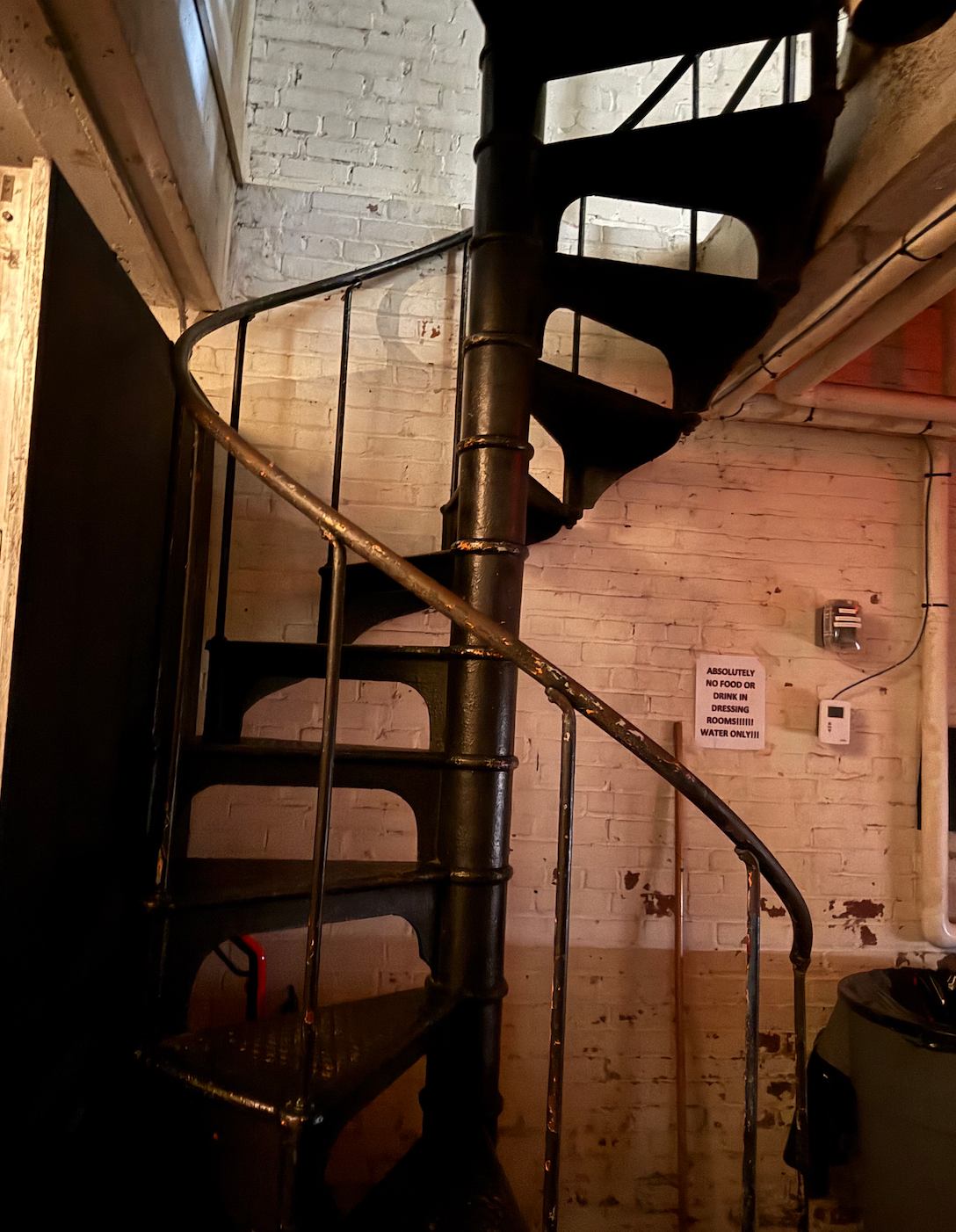
Sound improvements were added in 2011, dressing rooms renovated in 2012 and historic mural restorations completed in 2013.
Structural and aesthetic upgrades followed, including truss work, balcony and marquee repairs, HVAC repairs, and a digital marquee installed in 2017.
More recent years have seen efforts focus on maintenance and modernization, with lighting, cooling, façade and interior improvements completed in 2018 and major painting projects in 2020.
A major interior renovation project also took shape around 2020, when pandemic-related closures allowed for long-planned upgrades.
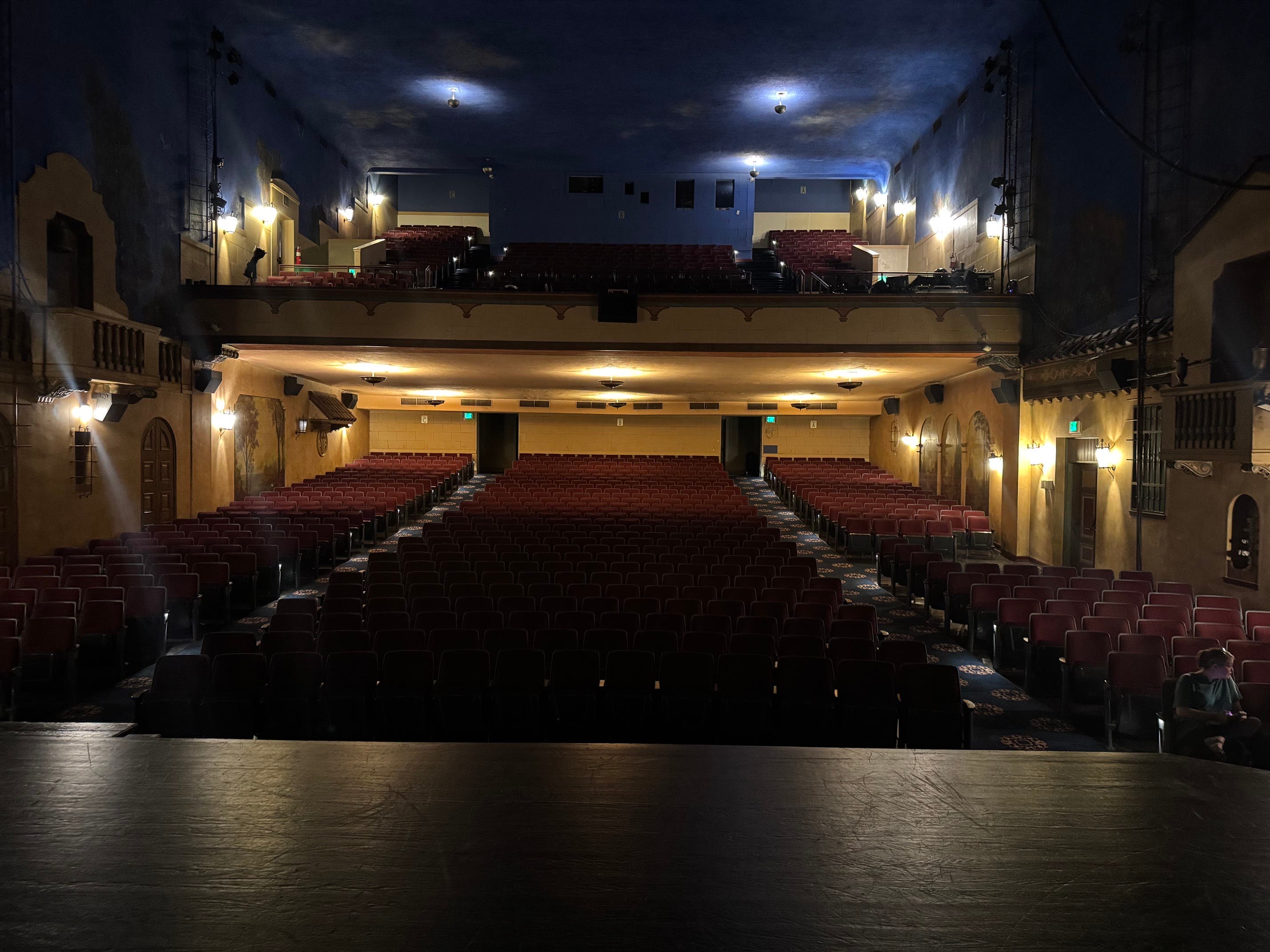
As Patch previously reported, the seating was largely unchanged since the 1980s and was replaced, along with new carpeting, refinished concrete flooring, and added aisle lighting. This was thanks in large part to a $150,000 contribution from the Tuscaloosa County Commission.
The project required removal of nearly 1,000 seats and significant electrical and structural adjustments, marking one of the most extensive interior updates in the theatre’s modern era.
For Wolfe and the Arts Council, she said the goal will remain making the venue a "magical" place for local children for years to come.
"I started out as education director 28 years ago, and that was one of my favorite things — bringing kids into the space," she said. "They would be looking up at the lights in the ceiling all the time and they have those memories. I talk to people in their 30s and 40s and they still remember that."
LOOKING AHEAD
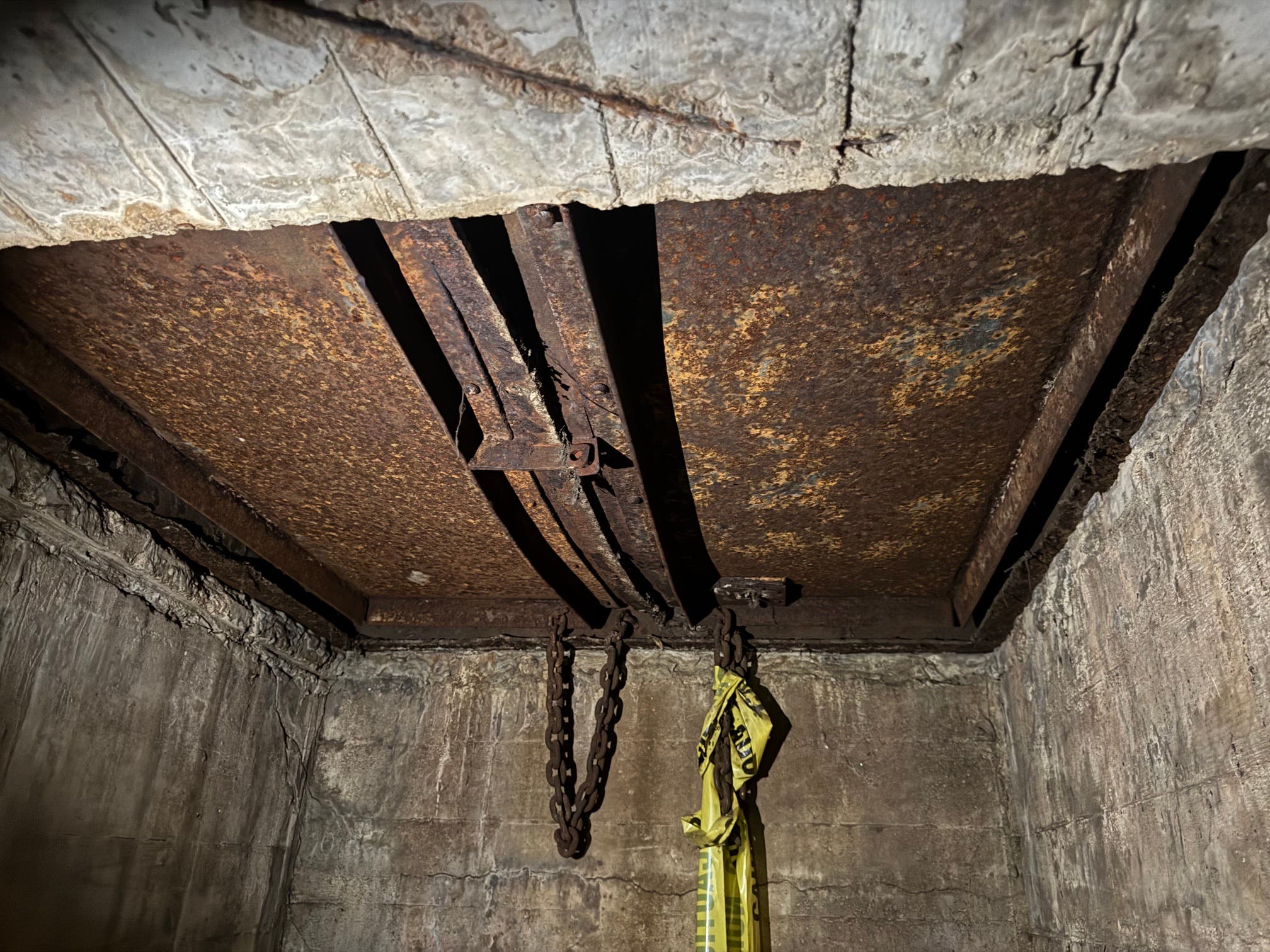
During the walkthrough, officials pointed to remnants of the building’s past uses, including its time as Tuscaloosa City Hall, as well as original structural elements like a coal chute once used to heat the building.
Indeed, one of the upper floors still holds the original stage and fluting for what was once the chambers where the Tuscaloosa City Commission would meet in the years before the city moved to its current council form of the government.
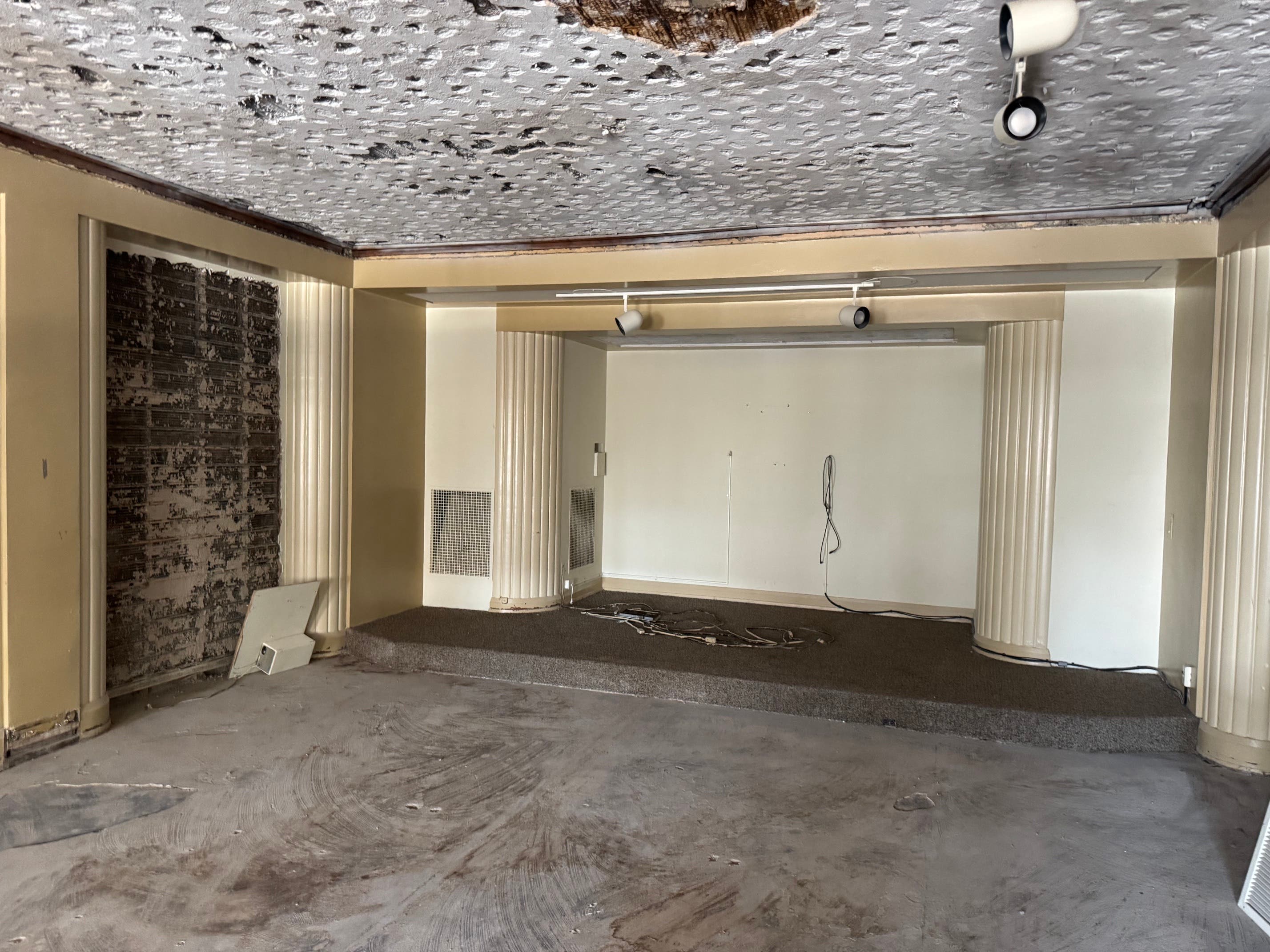
Nelson then offered up possibilities for how the historic meeting space could be used.
"I've tried to ask some folks if they have pictures of this room because I would like to see what it looked like when it was City Hall," he said. "My thoughts for stuff like this is maybe an archive room or a community room where you can come and meet or display art."
The commission also plans to address exterior elements such as the theater’s iconic marquee, which officials said may require additional restoration work following previous repairs that did not hold up as expected.
While no firm timeline has been announced for finishing the full scope of improvements, officials acknowledged that ongoing downtown infrastructure projects, including street work along Greensboro Avenue, could influence the pace and sequencing of renovations.
Ultimately, county leaders framed the purchase not as a revenue-generating move, but as an investment in the community.
“This is about finding ways the community can use this space,” Acker said.
Wolfe ended the tour of the historic venue by expressing her gratitude to the Commission for its efforts to preserve such an integral piece of local culture and history.
"It's been a fight we've had for a long time," she said. "Last year alone we started looking at the numbers, there were 271 days where children were in this space in some way. We're creating memories for the next generation."
Have a news tip or suggestion on how I can improve Tuscaloosa Patch? Maybe you're interested in having your business become one of the latest sponsors for Tuscaloosa Patch? Email all inquiries to me at ryan.phillips@patch.com
Get more local news delivered straight to your inbox. Sign up for free Patch newsletters and alerts.