Business & Tech
Tourism Group Pivots For Possible Loss Of Alabama Football Season
As athletic conferences, including the SEC, mull options for play in the fall, Tuscaloosa tourism officials hope to weather the crisis


TUSCALOOSA, AL. — This week could see numerous collegiate athletic conferences cancel or postpone their 2020 schedule of fall sports, with the Southeastern Conference yet to announce an official plan. Despite the radio silence from the SEC on its exact plans, Tuscaloosa tourism officials hope to shift the approach to fit whatever options will work best given the circumstances.
"As far as sports tourism goes, as everyone knows, no one knows anything," said Barrett Elder, director of marketing and communications for the Tuscaloosa Tourism and Sports Commission. "We are just kind of waiting to hear more from the SEC and their plans, but there’s definitely concerns when you see the Big Ten may be cancelling, and that the MAC has already canceled football season for the fall. So we’re keeping our ear down to the ground hoping to hear anything we can and we’re ready to spring into action as soon as we find out the results."
OPINION: SEC Programs, College Town Economies Face Uncertainty
Find out what's happening in Tuscaloosafor free with the latest updates from Patch.
The uncertainty comes as SEC Commissioner Greg Sankey on Tuesday expressed doubts on the Dan Patrick Show, saying he did not believe it would be a wise decision for the SEC to continue forward with play if other Power Five conferences opt to cancel their 2020 seasons.
From a local planning standpoint, Elder told Patch on Tuesday that the next phases of their approach on the tourism side will be dependent on the direction taken by the SEC.
Find out what's happening in Tuscaloosafor free with the latest updates from Patch.
"We will start as soon as we find out what the call is from Greg Sankey and the SEC, as far as the season goes," he said. "It comes as no surprise and is no secret that Tuscaloosa relies pretty heavily on that football traffic. The University of Alabama is the biggest driver for tourism, just for football alone. But there is tourism outside of football and that’s what we’re going to have to focus on if that comes to pass."

Elder hopes, even in lieu of a football season, that many will still take advantage of the numerous tourism offerings in Tuscaloosa that are not reliant solely on college sports. To name a few, he mentioned Lake Lurleen State Park, Lake Nicol and the Tuscaloosa Riverwalk.
"Right now, as far as coronavirus goes, we’re really pushing our outdoors and how you can get outside," Elder said. "We really have pivoted in order to combat the lack of tourism that’s happening right now and show people that Tuscaloosa really is one of the best places to go where you can get outside and get away from the crowds."
The economic downturn from the lack of sports tourism on college football Saturdays in Tuscaloosa will be impossible to ignore, though. Patch reported on Monday that Mayor Walt Maddox's office cited the average economic impact for each home football game is $19.6 million, totaling $137.2 million over the course of a single season.
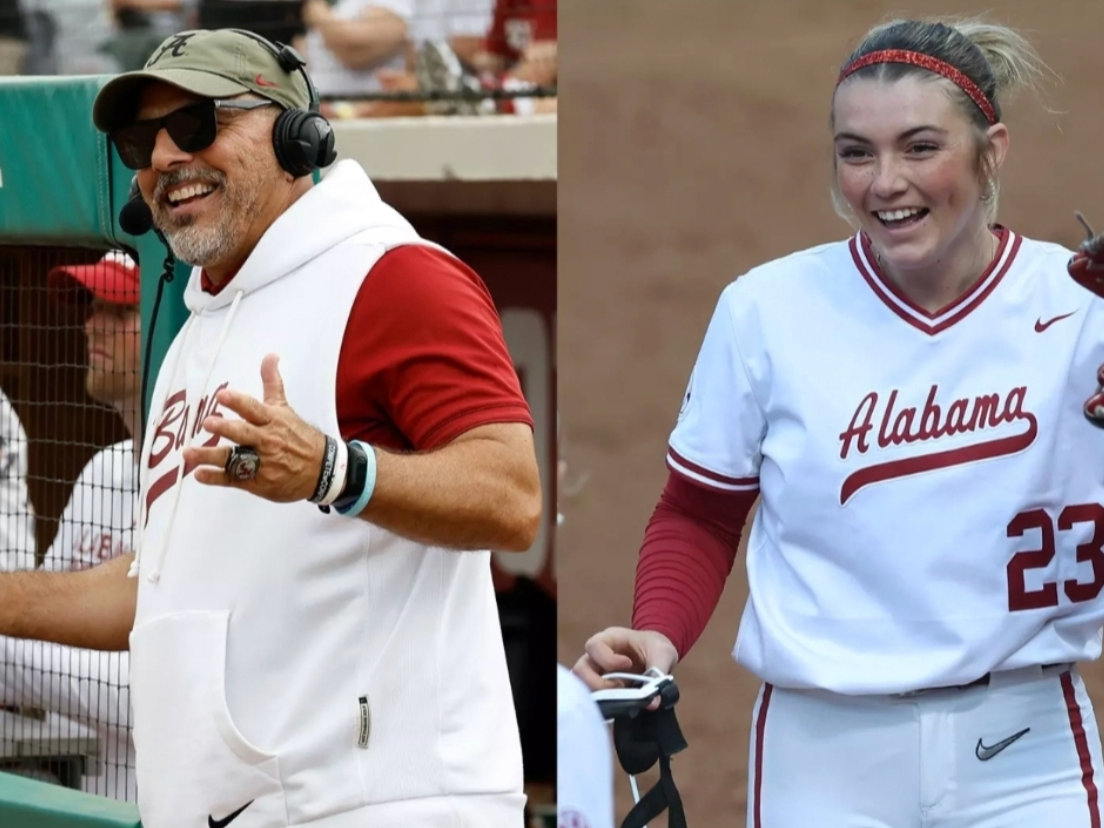
Elder then looked back to the spring, which featured changes for the Alabama men's basketball program, but also saw the cancellation of UA baseball and the ever-popular UA softball schedule, along with other spring sports.
He went on to underscore the notion that when teams are performing well, then that success translates to more hotel nights being booked, using the example of UA men's basketball coach Nate Oats and his reinvigorated offense, which Elder said brought a high level of excitement to the program and area.
"They were already done with their home games [by the time the pandemic started] and the NCAA Tournament had already started, so luckily it didn’t impact basketball," he said. "With spring sports, softball does bring in some good hotel nights because there are some crazy huge softball fans here in town, which is really unique to Tuscaloosa as far as the southeast goes. Football will have a bigger impact than those spring sports, but spring sports did have an impact as well."
The Tuscaloosa hospitality sector, prior to the pandemic, underwent a period of sustained growth, with new offerings still under construction and holding on to hopes of one day being filled with sports fans and families of UA students.
As the pace of widespread expansion screeched to a halt earlier this year, Elder said several projects were placed on the "yellow light, with some on the red light." The projects included talks of a potential conference center and options for even greater events to come to Tuscaloosa.
"I know, before the coronavirus happened, the city was trying to get even bigger acts at the amphitheater, so there’s a lot of promise in Tuscaloosa right now as far the future is concerned," he said, expressing optimism for a post-COVID local economy. "Football is one of the greatest drivers in Tuscaloosa, but luckily it's not the only one and hopefully we can capitalize on what we have."
Apart from sports tourism, changes to other university-centered events have also had a noticeable impact on the local economy.
Elder said Tuscaloosa hotels were understanding but disappointed when UA's graduation was canceled in the spring, which represents an annual boon for profits.
"That's a huge sell-out weekend for them every year and something they can rely on to help with their profits," Elder said of spring graduation being canceled. "Graduation was big and they did the restart graduation a couple weeks ago, but even with that, all of our hotels were reporting sellouts a month in advance and right before graduation came, there were a lot of last-minute cancellations. We are seeing that for some things that are mainstays, like graduation, sell-outs are not happening anymore. That’s what we could see with football. People care a lot about it, but even with football, you could see cancellations from people at the last minute."
Even if players are allowed on the field in the fall, it is highly unlikely stadiums will be filled to capacity due to standing social distancing and public health guidelines limiting large gatherings, which many believe would result in similar financial outcomes for a tourism-driven economy as if the season was canceled altogether.
Elder said as of right now, everything relating to stadium attendance is all speculation, making it difficult for the commission to have a set action plan for.
"It's definitely a concern we’re keeping our eye on to see what the city government does and the state government does, because it might not be up to the university to decide what the capacity is," he said. "A lot of times, what we’ve seen across the nation is that it's not up to the universities. The state and local governments are determining that for them. We’re anxiously waiting to find out what everyone else is waiting on, so hopefully that comes sooner rather than later. But until then, we’re ready to pivot."
Get more local news delivered straight to your inbox. Sign up for free Patch newsletters and alerts.