Crime & Safety
French Tourist Dies In Death Valley On 116-Degree Day
The 68-year-old man had attempted to walk to find help after his vehicle got stuck in mud, authorities said.


INYO COUNTY, CA — A 68-year-old French man died last week after he and a travel companion were stranded on a remote road in Death Valley National Park, authorities said.
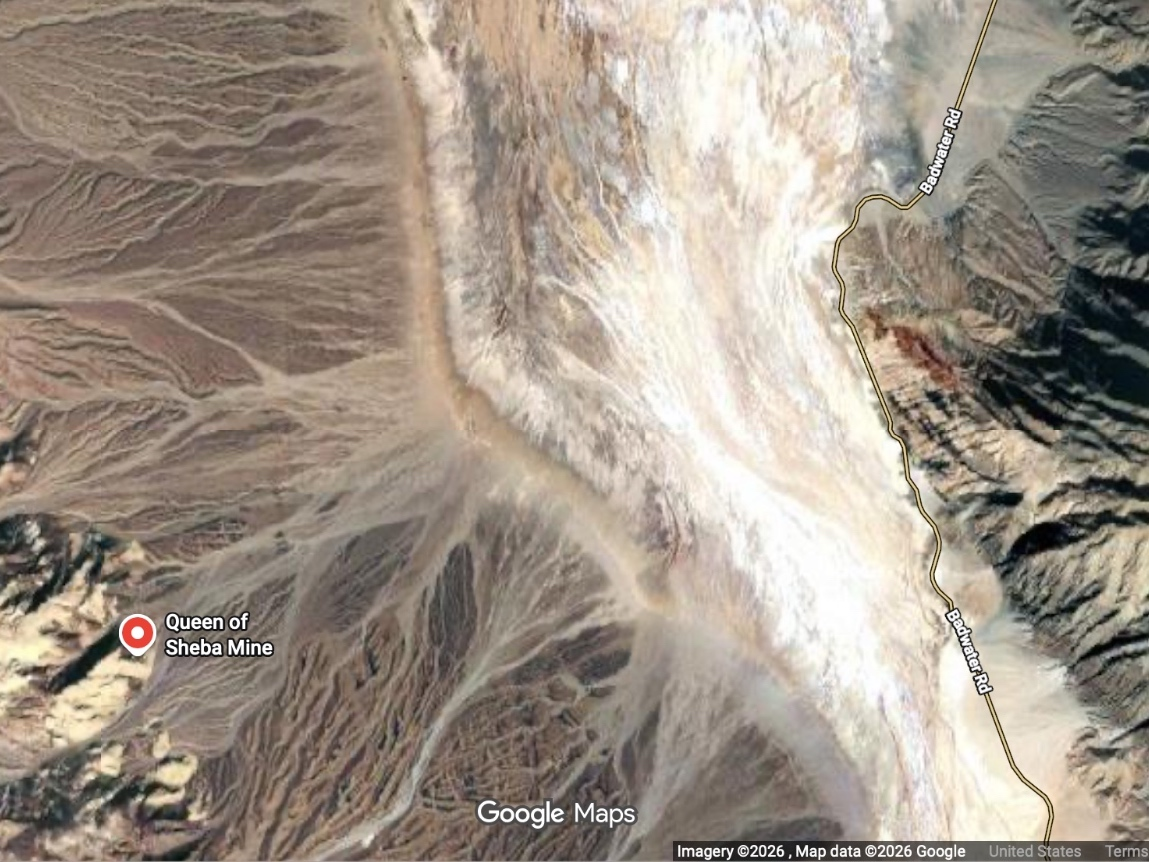
Pierre Michel Formosa and his companion, both from France, were on West Side Road on Aug. 17, when their vehicle got stuck in mud near Queen of Sheba Mine Road, according to the National Park Service.
The two men began walking across the salt flats toward Badwater Road to get help, but about 1.3 miles into the trek, Formosa could not continue, authorities said, noting temperatures that day reached 116 degrees.
Find out what's happening in Across Californiafor free with the latest updates from Patch.
Formosa’s companion continued toward Badwater Road, where he was eventually assisted by a passing motorist and reported the incident shortly after 2 p.m. at the Furnace Creek Visitor Center, according to the park service.
A California Highway Patrol helicopter found Formosa later that afternoon, about 1.5 miles from Badwater Road, authorities said, adding he was pronounced dead at the scene.
Find out what's happening in Across Californiafor free with the latest updates from Patch.
"Our deepest condolences are with the family and friends of the visitor who died,” Death Valley National Park Superintendent Mike Reynolds said in a news release.
“This is a heartbreaking reminder of how quickly conditions here can turn dangerous. Death Valley is an extraordinary place, but its heat, distances, and remoteness can be dangerous, regardless of experience. We’re grateful to everyone who took part in the search, and our thoughts are with his loved ones.”
The park service noted that Death Valley National Park is vast and remote, and that cell service can be limited or nonexistent, and emergency help can be hours away.
Visitors are advised by the park service to: plan their route, check road and weather conditions, tell someone their plans, carry one gallon of water per person per day plus more for emergencies, bring a satellite communicator or emergency beacon, and stay on paved roads and avoid lower-elevation hiking during extreme heat.
“If your vehicle becomes disabled, staying with it is often the safest choice,” the news release said. “It provides shade and shelter, and it's far easier for search teams to spot than a person on foot in open terrain.”
Get more local news delivered straight to your inbox. Sign up for free Patch newsletters and alerts.