Politics & Government
Tax Us, Spare The Billionaires: 5 Takeaways From CA’s Wild Midterms
The blue wave was unmistakable, but California voters also delivered surprises on taxes, incumbents and political power.


Democrats dominated Tuesday's midterm elections in California, overwhelming Republicans at the polls and demonstrating the effectiveness of a controversial redistricting strategy.
But beneath the Democratic wave, voters delivered some more complicated messages — challenging the party's political establishment, seemingly rejecting a tax on billionaires and electing a history-making governor who faces enormous challenges at home and in Washington.
Here are five key takeaways from the 2026 midterm elections in California:
Find out what's happening in Across Californiafor free with the latest updates from Patch.
Californians Voted To Tax Themselves, But Not Billionaires
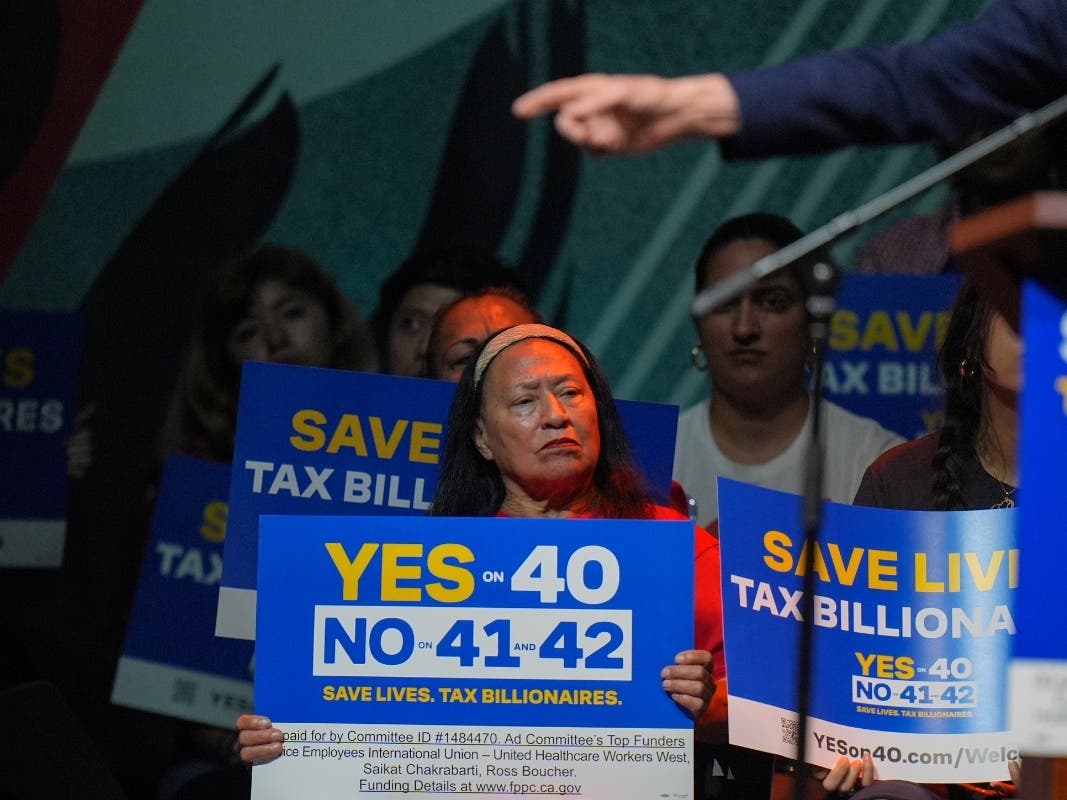
Voters appeared poised to reject a tax on billionaires Tuesday, following an extraordinarily expensive campaign in which some of the world's wealthiest people spent hundreds of millions of dollars fighting a measure that would affect a tiny number of Californians, according to Cal Matters.
Proposition 40, which would impose a one-time 5% tax on the wealth of roughly 200 billionaires, was trailing with just 44% support Wednesday morning. Meanwhile, voters approved Proposition 3, making permanent an existing income tax increase, affecting approximately 355,000 people earning more than $371,000 annually in the state.
Find out what's happening in Across Californiafor free with the latest updates from Patch.
Voters also appeared more receptive to taxes that would hit ordinary consumers, with Los Angeles residents backing a half-cent sales tax increase to fund the Fire Department with about 54% support, while voters in five Bay Area counties favored a sales tax increase to fund public transit with more than 61% support.
The results don't necessarily suggest voters made a careful distinction between sales and income taxes and taxing wealth. Billionaires and business interests poured approximately $317 million into defeating Proposition 40 and supporting competing measures, vastly outspending the tax's supporters. Google co-founder Sergey Brin alone contributed more than $100 million, Cal Matters reported.
The opposition campaign warned of lost jobs and economic damage. Advertisements also suggested the tax could eventually reach ordinary Californians — a claim Cal Matters fact-checkers found largely misleading. The enormous spending disparity raises questions about how much voters' perceptions were shaped by a campaign designed to make a tax on billionaires seem like a threat to everyone.
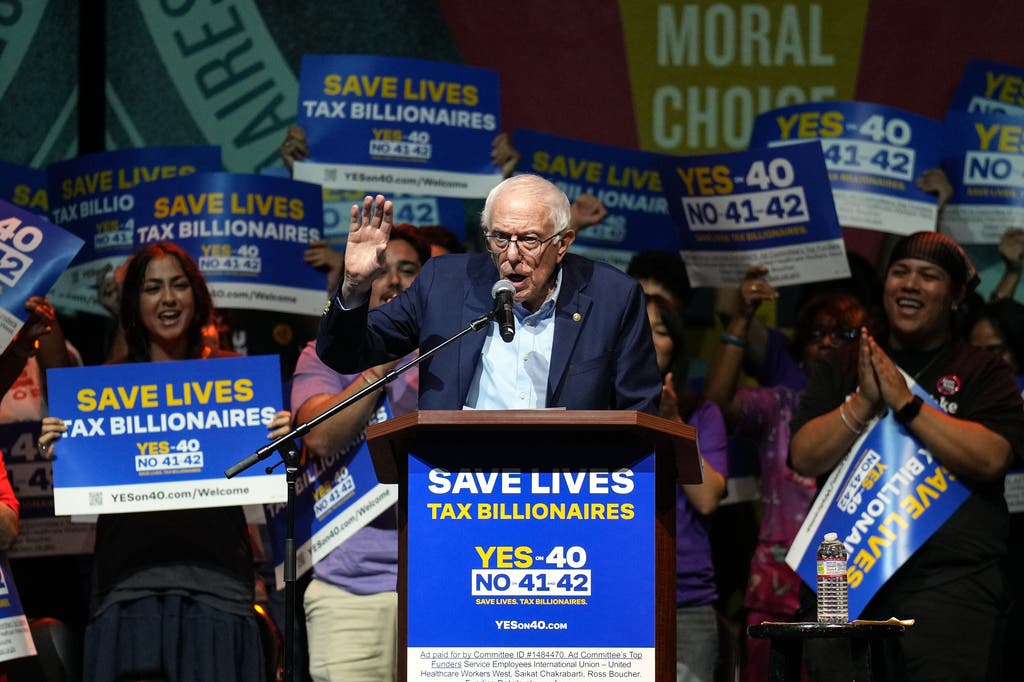
The measure also exposed divisions among Democrats. Sen. Bernie Sanders and labor unions backed the tax, arguing it would help offset federal healthcare cuts, while Gov. Gavin Newsom opposed it, warning that driving billionaires out of California could undermine state finances.
Meanwhile, Proposition 42, a competing measure backed by billionaires that would prohibit new taxes on financial assets and other forms of personal wealth, was leading with about 54% support. Its passage could prevent California from imposing similar wealth taxes in the future, extending the consequences of the campaign well beyond Tuesday's election.
Becerra Makes History, But Inherits A State With Mounting Problems
Xavier Becerra made history Tuesday, becoming California's first elected Latino governor with a decisive victory over Republican Steve Hilton. The former state attorney general and Biden administration health secretary win comes at a pivotal moment for California Democrats.
With Gov. Gavin Newsom leaving office amid speculation about a 2028 presidential bid, Becerra will inherit not only the state's role as a leading opponent of the Trump administration but also responsibility for addressing problems closer to home.
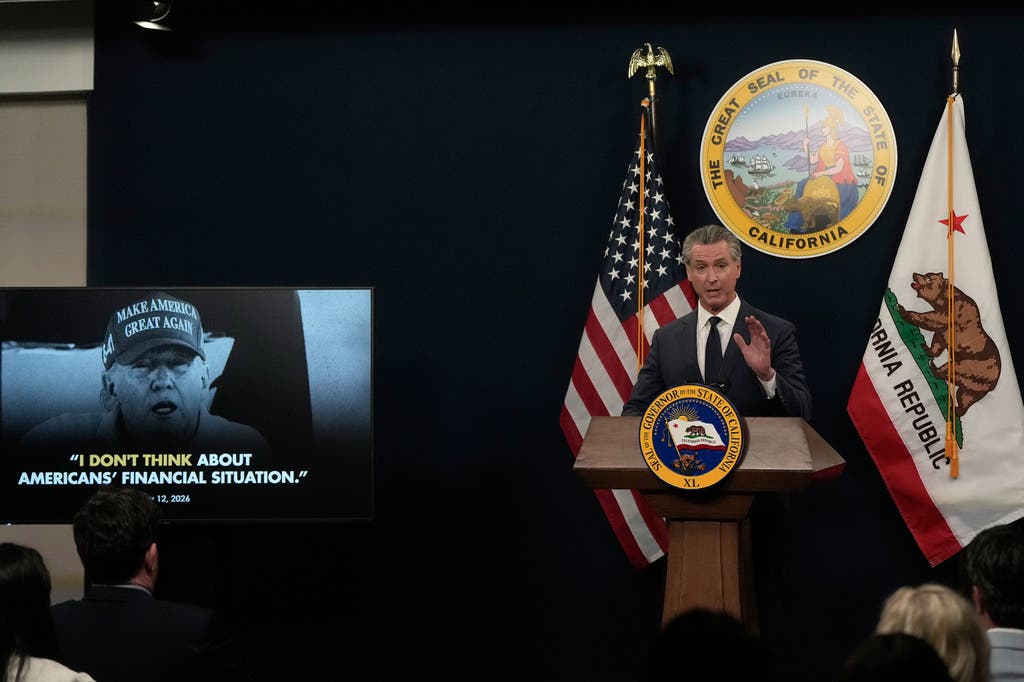
Becerra, who previously battled President Donald Trump's administration as California's attorney general, made confronting the president a central theme of his campaign, promising to defend the state on issues ranging from immigration enforcement to voting rights.
“Tonight I have a message for all those who have been made to feel afraid. There's a new sheriff in town,” Becerra told supporters on election night. “If anyone wants to come after California or any one Californian, they better be ready for a fight.”
But fighting Trump may prove easier than solving California's longstanding problems. Becerra inherits a state grappling with an affordability crisis, a severe housing shortage, mounting wildfire costs and a projected budget deficit that could reach $35 billion within a few years. Federal healthcare cuts threaten to compound those financial pressures.
Becerra has promised to tackle housing costs, including by declaring a housing emergency on his first day in office, and has expressed openness to changing the tax code to offset federal healthcare cuts. But he offered relatively few detailed policy proposals during the campaign, leaving significant questions about how he intends to deliver on those promises.
Even The Democratic Establishment Wasn't Safe
Democrats delivered a sweeping rebuke to Republicans on Election Day, but voters also showed a willingness to turn against longtime leaders within the Democratic Party itself.
In Los Angeles, City Councilwoman Nithya Raman was leading Mayor Karen Bass by more than 16,000 votes Wednesday morning, threatening to unseat an incumbent backed by Gov. Gavin Newsom, former Vice President Kamala Harris, former House Speaker Nancy Pelosi and the city's political establishment.
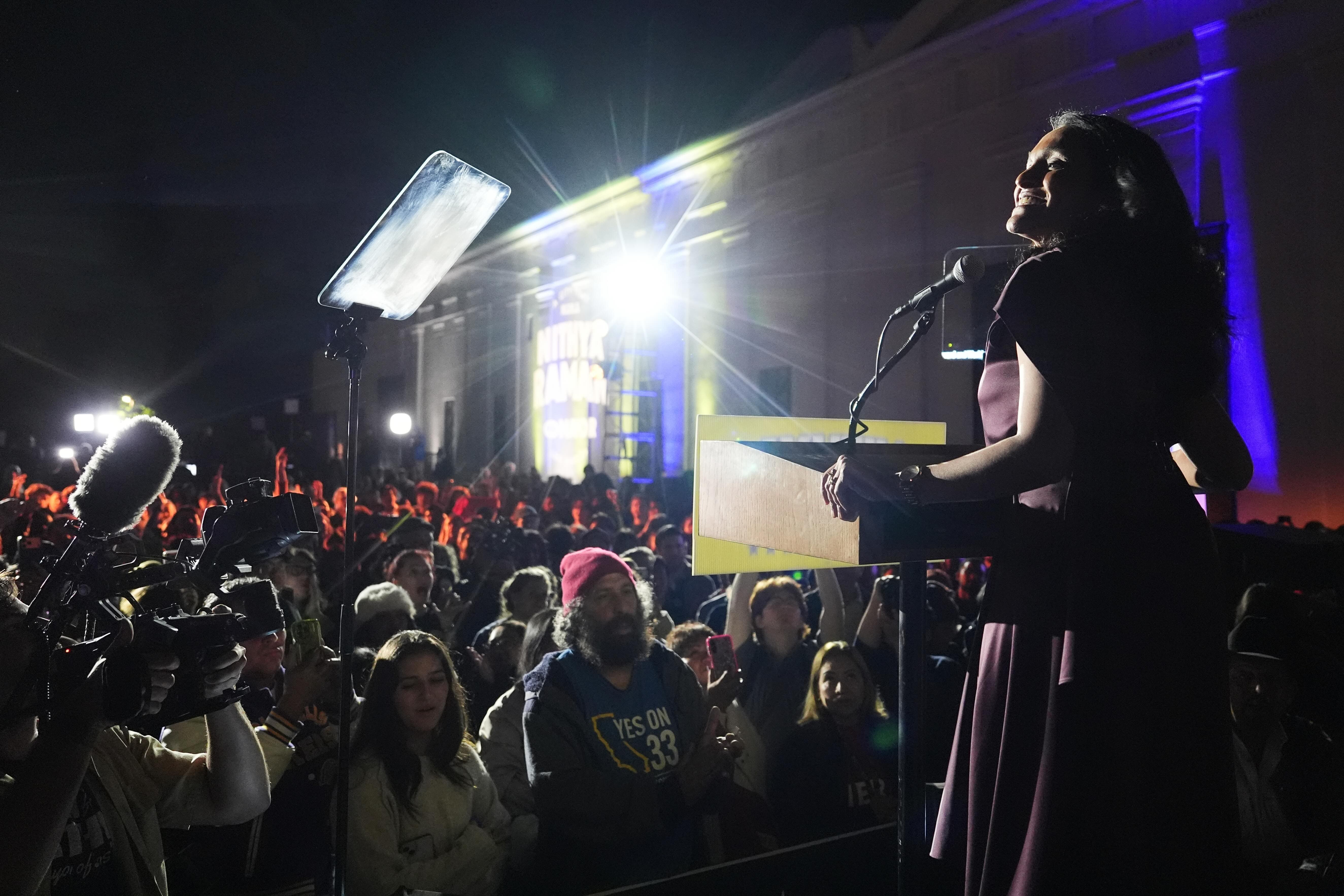
Raman, who is backed by the Democratic Socialists of America, tapped into voter frustration over homelessness and a decline in city services, as well as a belief that the city's political culture is often preoccupied with protecting its own power. Raman herself was a target of those machinations: In leaked recordings that rocked Los Angeles politics in 2022, several of her Democratic council colleagues discussed carving up her district for political advantage, with one declaring that she was “not our ally.”
At an election-night party, Raman said voters "are angry about a broken status quo and the politicians who failed them over and over again. But change feels good, doesn't it?”
Also in Los Angeles, democratic socialist Angela Gonzales-Torres defeated five-term Democratic Rep. Jimmy Gomez, whose campaign was shadowed by a House ethics investigation into allegations of sexual misconduct that he has denied.
The results echo a broader shift within the party. In Colorado, 29-year-old democratic socialist Melat Kiros won a congressional seat after defeating Democratic Rep. Diana DeGette, a nearly 30-year incumbent, in the primary. And in Washington, D.C., democratic socialist Janeese Lewis George was elected mayor.
The Los Angeles mayoral contest drew comparisons to New York City, where democratic socialist Zohran Mamdani defeated former Gov. Andrew Cuomo last year for the city's top job. Fernando Guerra, director of Loyola Marymount University's Center for the Study of Los Angeles, told the San Francisco Chronicle that Raman and Mamdani are “definitely cut from the same cloth” in their approaches to urban issues.
“They are taking on a Democratic establishment,” Guerra said.
In The End, It Wasn’t That Close
Both parties were willing to spend to fight for a handful of House races in California, but only Democrats got bang for their bucks. For the GOP, the money poured in, but the votes did not.
According to voter data compiled by the New York Times, 68% of Golden State voters cast their ballots for Democrats compared to 31% for Republicans. That is a 17-point shift from 2024 in favor of the Democrats.
In October the Congressional Leadership Fund PAC announced plans to spend $40 million in California — more than any other state, CalMatters reported. And Elon Musk’s America PAC spent $3 million supporting Republicans in three California House races, Politico reported.
But as of Wednesday morning, Republicans had only won two safe districts out of 52 House seats in California — District 1 and 20, with District 40 also certain to be red once it's called. So far, the party lost all but one of the Congressional races considered competitive in California.
The Gerrymander Paid Off. What’s Next?
Democrats sought to counter President Trump’s national strategy of red-state, mid-decade gerrymanders by using California as a bulwark. Voters last year approved Proposition 50, allowing the partisan gerrymander of House districts across the Golden State.
It worked out very well for the Democrats.
Republicans began the year with nine House seats in California. As of Wednesday, only representatives Tom McClintock and Vince Fong have been re-elected. District 40, a Riverside County race featuring Republican incumbents Young Kim and Ken Calvert hasn’t been called yet, but only one will emerge. Rep. Jay Obernolte in San Bernardino is the only other GOP incumbent with a shot at surviving this midterm election, but that race was too close to call Wednesday.
The outcome is likely to inspire partisan gerrymanders elsewhere, said Andrew Howe, professor of history in the History, Politics & Sociology Department at La Sierra University.
“Other states are certainly paying attention to the redistricting game, although some electorates have already convincingly defeated similar attempts,” he said. “Expect more legislation embracing this strategy and more lawsuits seeking to stop it.”
Some experts see that as a worrying trend.
“Long term, it is a sad state of affairs. Competition is a mechanism for accountability. Opposing ideologies make critiques that are distinct from co-partisans,” said Matt Lesenyie, assistant professor of political science at Cal State Long Beach. “ It means that incumbents will be even harder to unseat, harder to hold accountable.”
Patch staffers Paige Austin and Corey Washington contributed reporting.
Get more local news delivered straight to your inbox. Sign up for free Patch newsletters and alerts.