Crime & Safety
Thousands Feel The Lash As Stingrays Invade CA Coast Amid Marine Heat Wave
A popular coastal destination has reported more than 3,100 sting ray incidents this year.


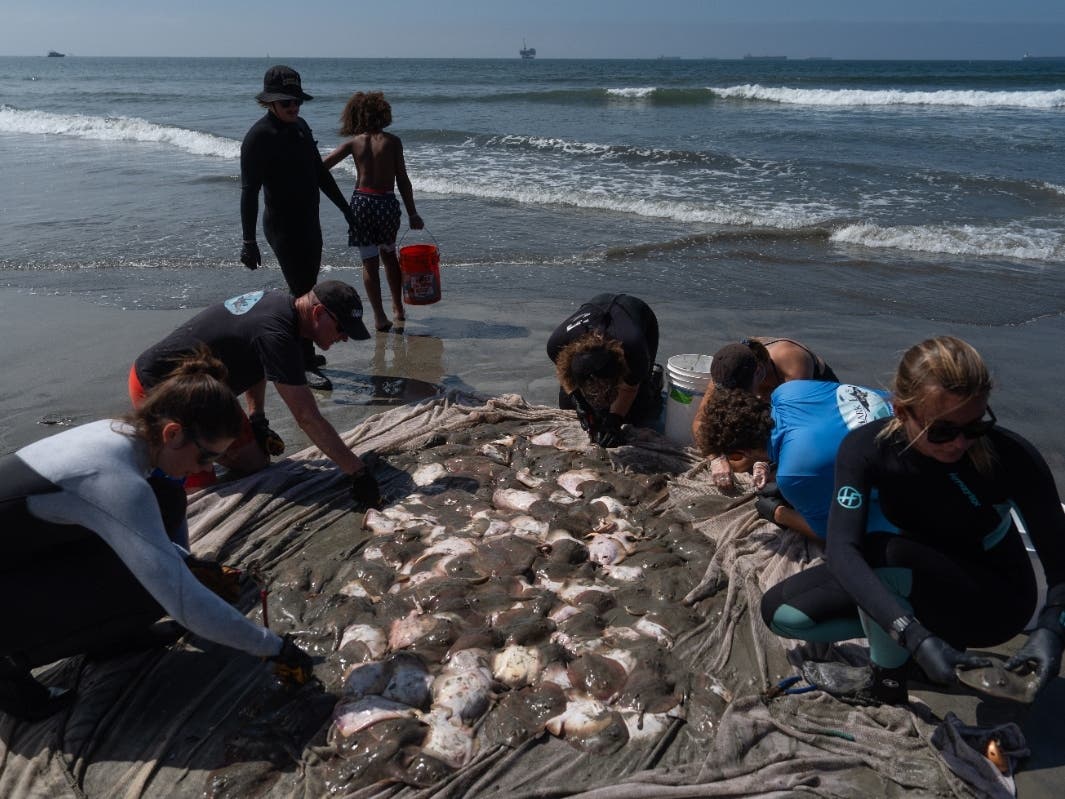

El Niño and a Pacific Ocean heatwave have drawn some unlikely visitors to California shallows this summer, including humpback whales and hammerhead sharks. Another, less visible marine creature is making its barbed presence felt along the California coast.
Stingrays have been flocking to Southern California waters in droves, impacting popular tourist destinations as more beachgoers get stung this summer.
Thousands of stingray lashings have been reported from San Diego to Los Angeles County due to warm ocean waters.
Find out what's happening in Across Californiafor free with the latest updates from Patch.
"Whenever the surf size does drop, we do get an increase in stingray activity," Huntington Beach Fire Dept. Batt. Chief Derek Peters told KTLA. "We've had 240 stingray incidents in the last month, and we've had 80 in the last week."
According to Cal State University Long Beach Shark Lab researchers, stingrays run-ins in Southern California, the "stingray capital of the world," are nothing new.
Find out what's happening in Across Californiafor free with the latest updates from Patch.
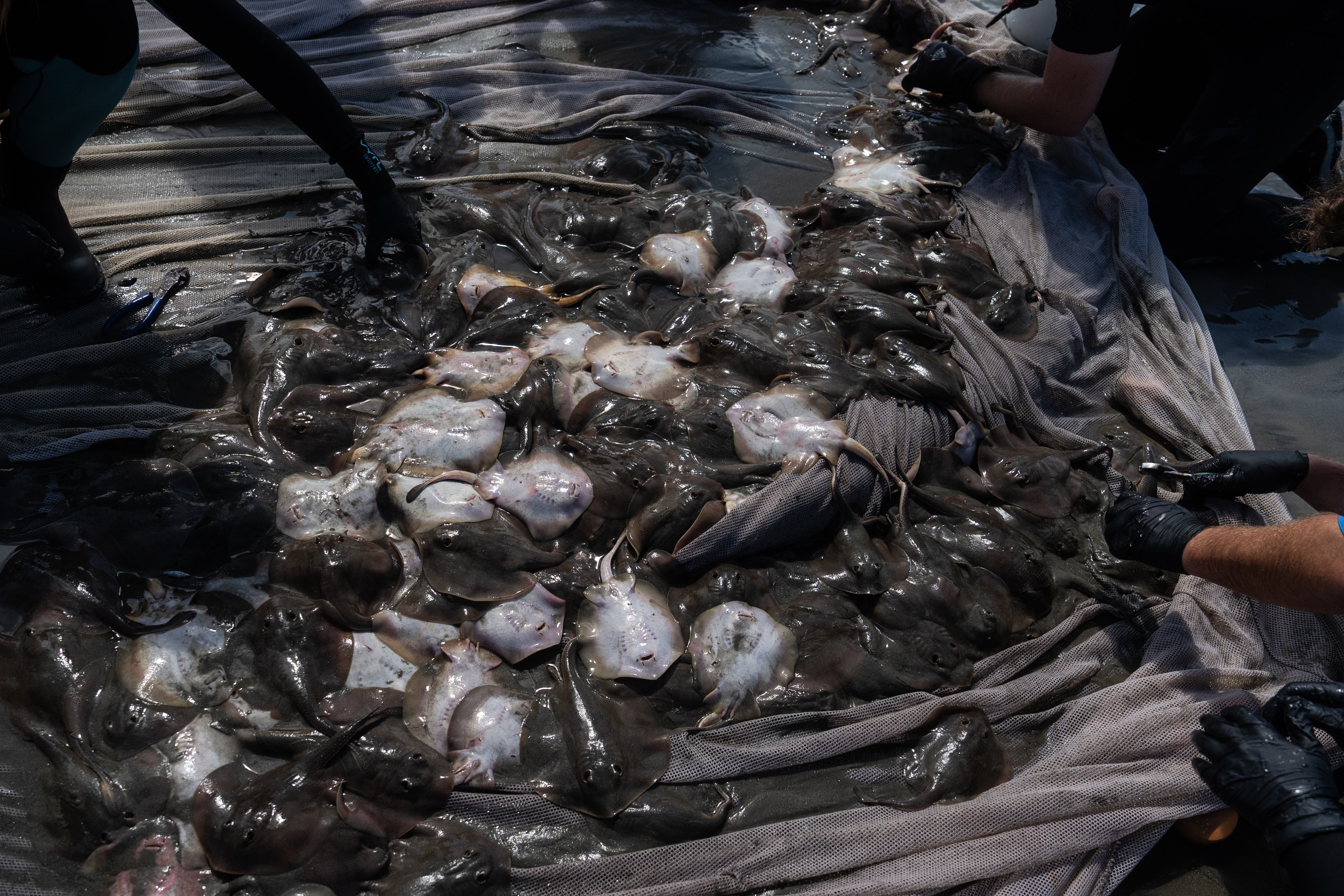
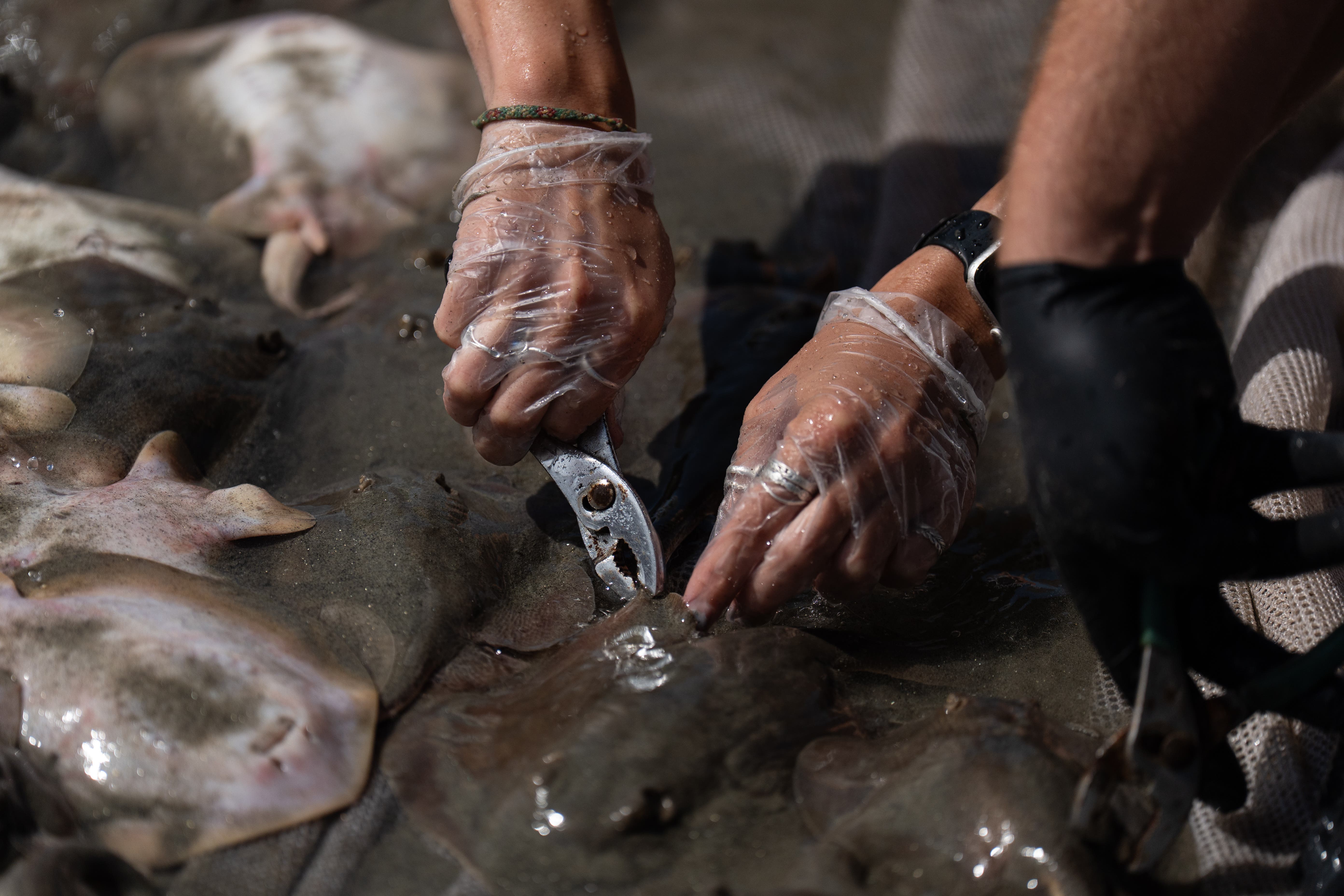
However, researchers note that rising ocean temperatures are playing a big role in driving the rays to the shore.
"We're definitely seeing an increase," State park Superintendent Bryan Etnyre told the Associated Press. "A lot of it is due to warming ocean temperatures that are consistently staying in the '60s. I don't think there was a week all winter where we dropped below 60 this year."
According to Seal Beach Marine Safety Lieutenant Nick Bolin, weakened surf occurring in time with warmer waters leads to ideal grounds for stingrays.
"Earlier in the summer, we had a lot of south swell — a lot of ocean rescues. But for the last week and a half, the surf has declined," Bolin said. "When that happens, stingrays come to the shore — and the weather gets warmer, and more people come to the beach."
Bolin noted that Seal Beach's Marine Safety Department is averaging out at about three to five stingray injuries per day, a number that may rise or fall depending on the number of visitors on any given day.
“This is worse than childbirth,” one Seal Beach stingray victim told Surfer.com as she soaked her foot in a bucket of hot water provided by lifeguards.
Last year, Seal Beach lifeguards reported seeing around 10 to 15 stingray-related injuries per day.
Other Orange County towns like Huntington Beach are reporting skyrocketing numbers.
Bolsa Chica State Beach and Huntington State Beach have reported more than 3,100 incidents so far this year, which is double the number recorded during the entirety of 2025.
Huntington Beach's 3.5-mile stretch of shoreline has reported more than 2,000 incidents this year, exceeding last year's total.
In San Diego, lifeguards say they've treated 1,207 stingray injuries so far this year, about 200 more than they had treated by this point last year, San Diego Fire-Rescue Lt. John Maher told CBS San Diego.
"We have noticed an uptick in our stingray victims," Maher said. "We've had roughly 200 more people get stung by stingrays this time this year in comparison to this time last year."
Beaches like Mission Beach, Ocean Beach and La Jolla Shores see some of the highest concentrations of stingray injuries in San Diego, according to the report.
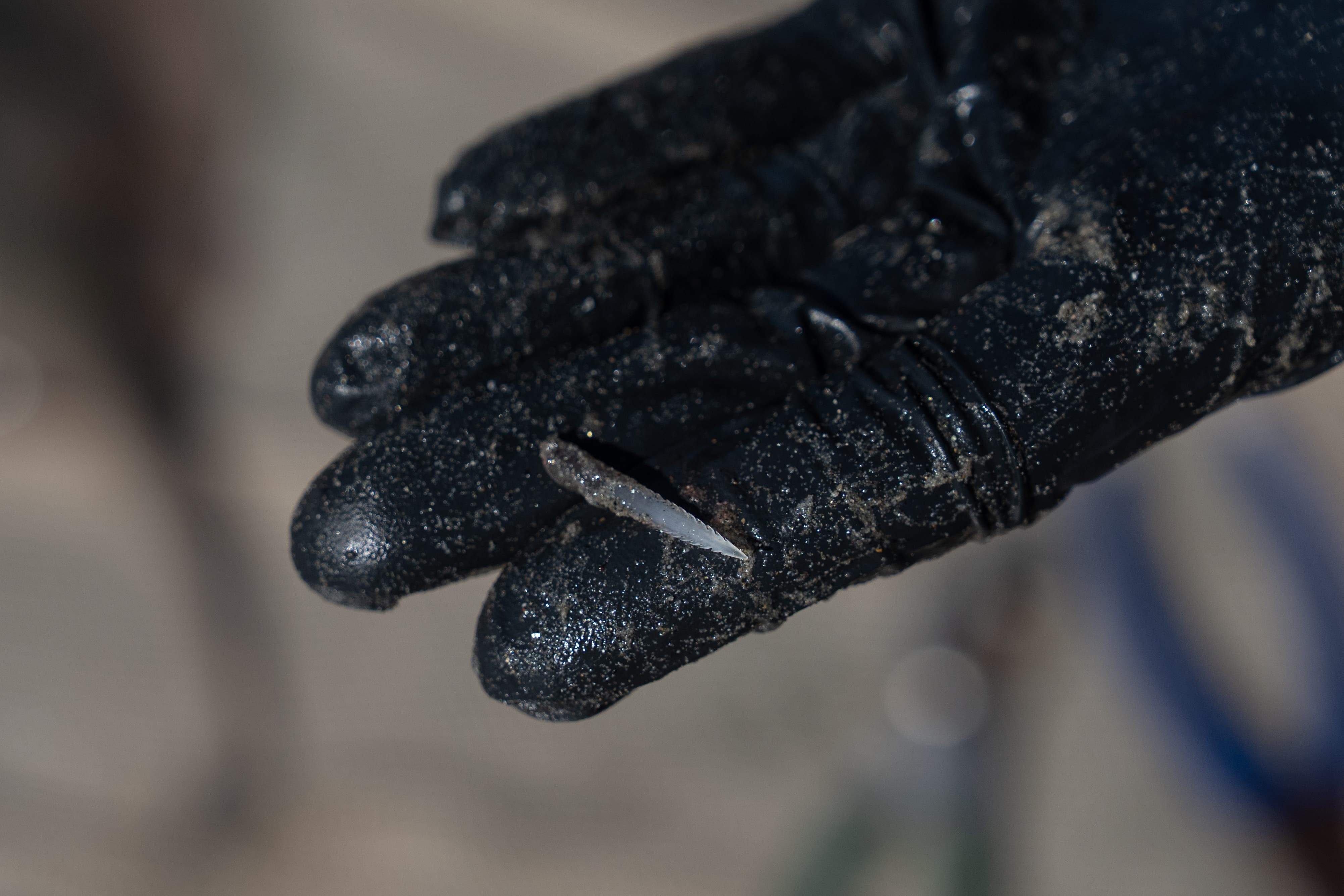
A stingray's serrated spine is about one to one and-a-half inches long and made of a hard, toothlike material. Surfers are their most frequent victims, jumping straight off their boards onto the backs of unsuspecting stingrays below. Lifeguards spend much of their summer days helping people with the barbed spines buried into their heels.
While most stings do not require medical treatment, California State Parks officials urged potential beachgoers to educate themselves on stingrays and how to properly treat a sting.
The primary recommended treatment is soaking the affected area in hot, fresh water to help get the stinger out, break down the venom, reduce pain, and lower the risk of infection.
Medical attention may be needed if the wound is deep, bleeding heavily, showing signs of infection, or if the person experiences an allergic reaction.
Officials strongly advise against applying alcohol, urine or ammonia to wounds caused by marine-life stings.
More California News:
- Watch: Rhino Mom Sets Rules For Newcomer, Ongava, In NorCal Preserve
- Homeless Shelter Workers Harbored Gunman Who Shot Officer In SF: Police
- Eagle Nesting With Shadow Likely To Become New Mate Following Jackie's Death: Report
- Aisha Wahab Wins Special Election To Fill Swalwell's Seat
- Lettuce Linked To Parasitic Outbreak May Have Reached CA Restaurants, FDA Now Says
- FBI Raids Swalwell's Home, Seizes Devices In Sexual Assault Investigation: Reports
- Diane Warren Adopts Viral Runaway West Hollywood Pig: Report
Get more local news delivered straight to your inbox. Sign up for free Patch newsletters and alerts.