Health & Fitness
Truth In Advertising
A recent study published by Ocean.org, highlighted the ongoing trend of fraudulent labeling in the seafood industry.
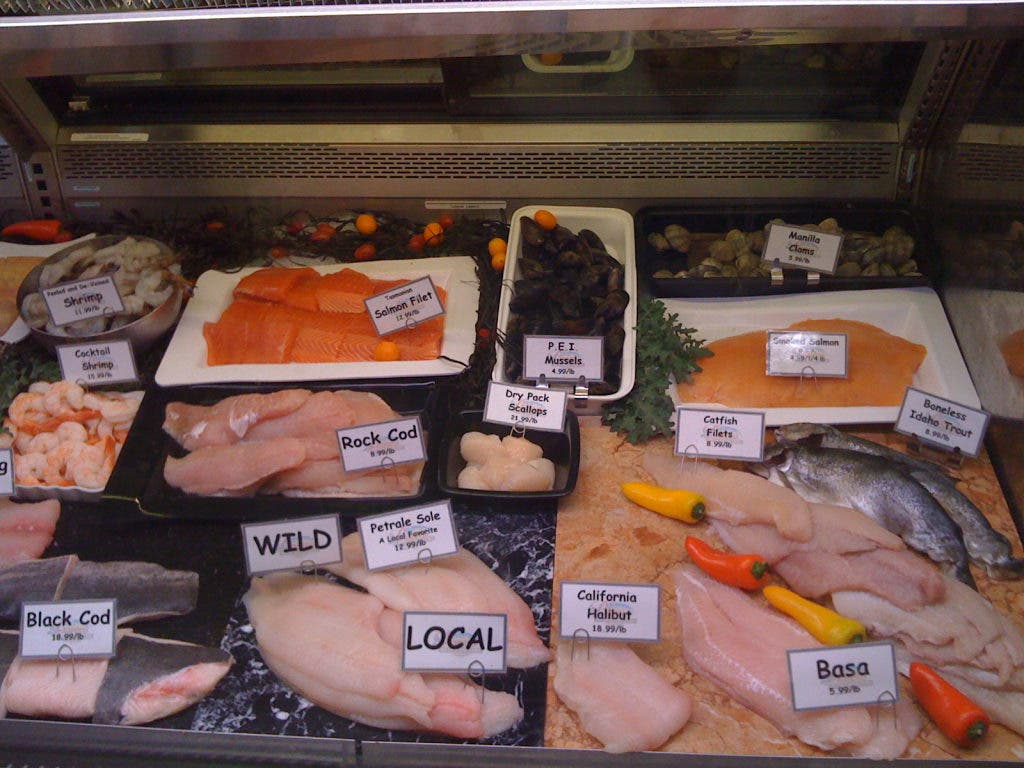
An interesting study just came out, published by Oceana. They surveyed groceries, restaurants, and sushi houses over a two year period, and discovered (through DNA testing) that fully a third of the samples tested were mislabeled.
Generally, when a customer comes to our fish counter, they are looking for a name brand fish salmon, tuna, or snapper etc. Recipes are written for tuna, people know how to cook tuna; and it's a familiar, comfortable item for most family dinners. The same is true for snapper. The problem is that snapper was at one time plentiful and cheap. No more.
Atlantic cod has been badly overfished. True Red Snapper, when available, is expensive. Wild Salmon is only available seasonally, and the same is true for Alaskan Halibut. Yet, when people go to restaurants, they want to have Cod or Snapper.
Over time, there has been a practice in the industry to add familiar names to local fish. For example in the Bay Area, the Rockfish is known as Rock Cod, Pacific Snapper, and even Red Snapper. These are the same fish, but are not related to the either the Altantic Cod nor the Gulf Red Snapper.
It would be easy for us to sell something as snapper. Often a customer will come to the counter looking for Red Snapper. We explain to them that what we have is rock fish, and then explain the difference between the two. Many times their response is that they have found Red Snapper at other stores, and that it was inexpensive. I can assure you that it wasn't "true" Red Snapper.
Oceana's two year long study has shown that the mislabeling of fish is rampant. They found that in the Bay Area, plentiful rockfish is being sold as snapper, and nationwide it is mislabeled 87% of the time. (Tuna is mislabeled 59% of the time.) I'm not convinced that all of this is because people want to trick customers, but some of it may come from shorthand that people use in the food industry.
One fish that is getting a lot of negative media attention right now is escolar (snake mackerel), which is a white, oily, firm, mild-tasting fish. In a 2009 article in New York magazine, I read comments from a chef who was praising Eric Ripert's escolar appetizer from Le Bernadin. The chef who did not specialize in seafood referred to escolar as "a white tuna", probably referring to its firm tuna-like texture. When chef Eric Ripert was interviewed, he only called escolar by its proper name. One was being precise; one was using a bit of shorthand which can be deceptive if it ends up on a menu.
Albacore (white tuna) is a seasonal specialty and demands the price that the name "Albacore" delivers. Escolar is not as expensive as a sushi-grade ahi, and it looks spectacular in a fish counter. Therefore, if the customer asks for "white tuna" and it's November, there's an incentive to sell a mislabeled product.
Be a well informed customer. Don't be afraid to ask questions.