Health & Fitness
Breastfeeding Rates in California: How the Golden State Compares to Rest of Nation
The CDC has released a "breastfeeding report card" for 2016.



When my daughters were born, I knew I wanted to at least try to nurse them. Though my mother did not breastfeed me — I was born in an era of "formula is best" — it had been drilled into my head repeatedly throughout both of my pregnancies that now, in fact, "breast is best." That is, if you're lucky enough to be able to provide that experience for your baby.
That's a message that is apparently resonating with many new mothers across the nation, as indicated in the latest edition of the U.S. Centers for Disease Control's annual Breastfeeding Report Card.
More than four out of five mothers in the United States tried nursing their baby at least once in 2013 – the latest year for which data is available – but too many are giving up breastfeeding too soon, according to the new study released this week by the CDC. A number of factors drive the decision, including a lack of resources and support, according to the study.
Find out what's happening in Banning-Beaumontfor free with the latest updates from Patch.
Breastfeeding supports a child's growth and development, according to guidelines by the American Academy of Pediatrics. And the U.S. Surgeon General's Office notes the practice can prevent illness and reduce future health issues, including asthma, as well as the risk of sudden infant death syndrome.

The CDC's annual survey of breastfeeding rates in each state is released during National Breastfeeding Month.
Find out what's happening in Banning-Beaumontfor free with the latest updates from Patch.
The U.S. average is 81.1 percent of mothers breastfeeding at least once. California's rate is 90.2 percent.
The survey shows progress across the country. But, at six months, nearly half of all mothers surveyed had stopped breastfeeding altogether. And only 22.3 percent were exclusively breastfeeding at six months, as recommended.
In California, though, women tend to breastfeed longer than the average American mom.
Of mothers surveyed in California:
- 90.2 percent are breastfeeding at least once
- 51.5 percent are breastfeeding exclusively at three months
- 58.5 percent are breastfeeding at six months
- 24.8 percent are breastfeeding exclusively at six months
- 34.3 percent are breastfeeding at 12 months
Those numbers are up compared to California's results in the 2007 survey. At that time, 52.9 percent of mothers in the state were breastfeeding at six months and only 17.4 percent were breastfeeding exclusively. A total of 83.8 percent of mothers had tried to nurse at least once, as compared to 2013's 90.2 percent.
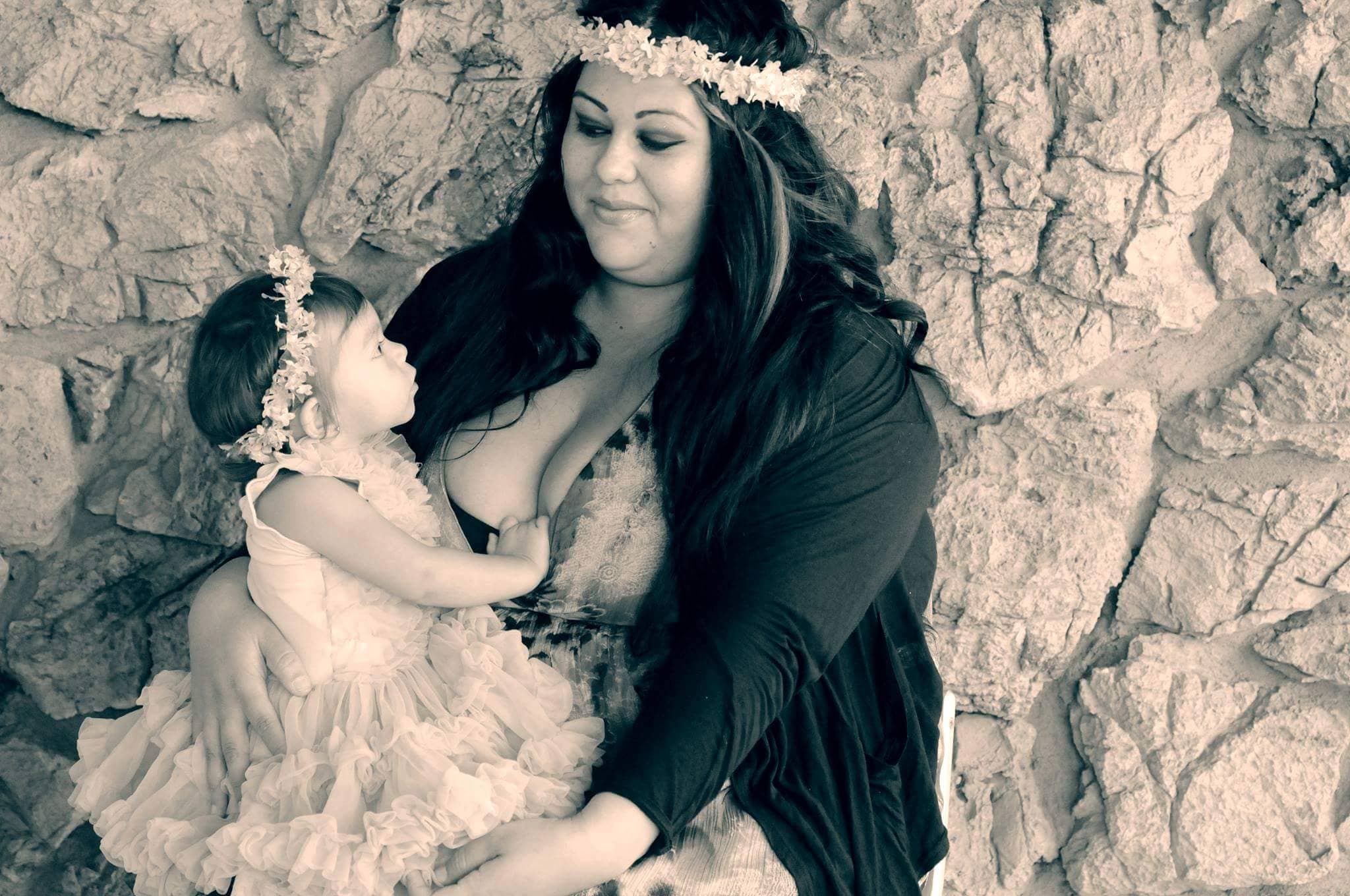
Some mothers, like Lorena Estanislao of Hemet, decide to keep nursing even past the 12-month benchmark.
"I knew that it was the right choice of nourishment, it brought us such an incredible indescribable bond of love," Estanislao tells Patch. "My bosom was like magic! If she was tired, scared, hurt, sick or just having a rough day, breastfeeding took care of it all, giving her all the comfort she needed!"
More: The Best and Worst States for Breastfeeding Moms
The CDC hopes the state-by-state Breastfeeding Report Card will encourage all involved in the child's first year to encourage mothers to breastfeed — including politicians. The report goes beyond breastfeeding rates and looked at barriers to continued nursing.
In some instances, it begins with a lack of information and support provided to the mothers and families at the hospital, according to the CDC. Other cases involve a lack of space, equipment or accommodations to properly breastfeed and pump breast milk once mom has returned home or is back at work.
“Mothers can better achieve their breastfeeding goals with active support from their families, friends, communities, clinicians, health care leaders, employers, and policymakers," said Dr. Ruth Petersen, director of the CDC’s Division of Nutrition, Physical Activity, and Obesity.
"It's a full time job, breastfeeding," Beaumont resident Joy Taylor Europa tells Patch. "If you've never gone through it, women don't really understand the time and dedication it takes.. I would pump in the middle of the night and at work so I could keep my supply up."
The CDC helps educate hospital staff through the "Best Fed Beginnings" program and has online resources to help individuals and entire industries support breastfeeding mothers. For its part, the U.S. Office on Women's Health offers employer solutions and "The Business Case for Breastfeeding."

Four female pilots with Frontier Airlines filed a lawsuit earlier this year. They claimed that, among other harmful policies, they weren't given accommodations for breastfeeding and pumping milk.
Public accommodations for breastfeeding often draw opinions and occasionally nasty comments from those people around nursing mothers.
Target supports breastfeeding in any area of the store, but a man lashed out at a nursing shopper in Torrington, Connecticut, in June. The mother recorded the man's rant and posted it on Facebook, noting that other shoppers and staff eventually intervened to protect her.
Several mothers staged a "nurse-in" at a Limerick, Pennsylvania, YMCA in May. The event was in solidarity with a mother who was told by staff to relocate while nursing her child, reportedly because she was making "men in the room uncomfortable."
More at Patch:
– Patch editor Greg Hambrick contributed to this report. Main image credit: Jen Burns of Turtle Dove Photography. Used with permission.
Get more local news delivered straight to your inbox. Sign up for free Patch newsletters and alerts.