Costa Mesa, CA|Local Classified|Other|

Dialectical Behavior Therapy (DBT) for Addiction & Mental Health | Asana Recovery
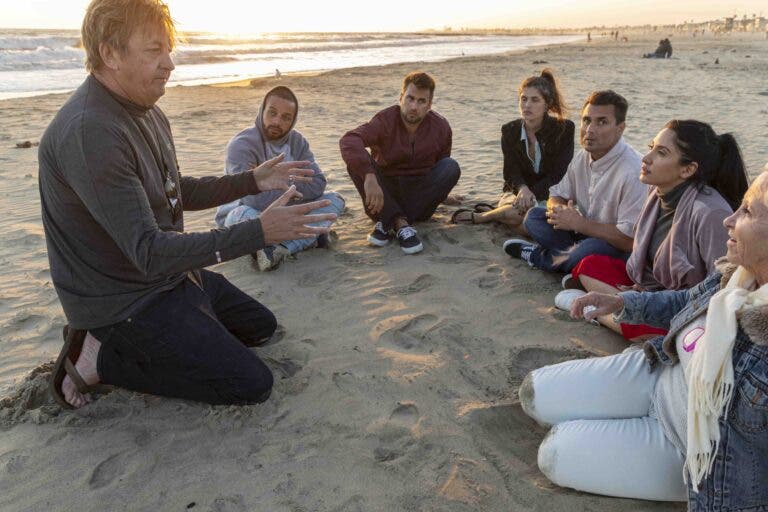
Addiction recovery is about more than simply avoiding drugs or alcohol. For many people, it also means learning how to manage emotions, cope with stress, improve relationships, and rebuild daily life in healthier ways. One therapeutic approach that has become increasingly recognized for supporting these goals is Dialectical Behavior Therapy, commonly known as DBT.
Originally developed to help individuals struggling with intense emotional challenges, DBT has evolved into a valuable treatment method for people dealing with substance use disorders and co-occurring mental health conditions. Today, treatment centers across the country are incorporating DBT into comprehensive addiction recovery programs because of its focus on practical coping strategies and emotional resilience.
At Asana Recovery, DBT is used as part of individualized treatment plans designed to help clients address both addiction and the underlying emotional patterns that can contribute to relapse.
Understanding DBT in Addiction Recovery
DBT is a structured form of therapy that combines acceptance techniques with behavioral change strategies. Rather than focusing only on stopping substance use, DBT teaches people how to navigate difficult emotions and situations without turning to unhealthy coping mechanisms.
Many individuals battling addiction also experience:
- Anxiety
- Depression
- Trauma
- Mood instability
- Difficulty managing stress
- Relationship conflicts
DBT aims to help people recognize these patterns while developing healthier ways to respond.
The therapy typically centers around four primary skill areas:
- Mindfulness
- Distress tolerance
- Emotional regulation
- Interpersonal effectiveness
Together, these skills help individuals become more aware of their emotional responses while improving communication, self-control, and decision-making.
Why Emotional Regulation Matters in Recovery
One of the biggest relapse triggers for many people is emotional overwhelm. Feelings such as guilt, shame, anger, loneliness, or anxiety can become difficult to manage, especially during early recovery.
DBT focuses heavily on helping individuals tolerate uncomfortable emotions without impulsive reactions. Instead of escaping emotional pain through substances, clients learn techniques to slow down reactions, stay grounded, and respond more intentionally.
This can be particularly beneficial for individuals who have experienced trauma or who struggle with co-occurring mental health conditions alongside addiction.
Building Healthier Coping Skills
Recovery often requires replacing old habits with healthier routines and coping mechanisms. DBT encourages clients to develop practical life skills they can continue using long after treatment ends.
Examples of DBT-based coping strategies may include:
- Breathing exercises
- Mindfulness practices
- Journaling
- Boundary-setting
- Stress management techniques
- Communication skills
- Crisis management tools
These approaches can help individuals feel more confident navigating daily life while maintaining sobriety.
DBT as Part of a Comprehensive Treatment Plan
DBT is rarely used as a standalone treatment for addiction. Instead, it is often integrated into broader recovery programs that may include:
- Individual therapy
- Group counseling
- Family support
- Dual diagnosis treatment
- Outpatient care
- Relapse prevention planning
At Asana Recovery’s DBT program, clients receive personalized support tailored to their emotional, psychological, and recovery needs.
Recovery Is About More Than Sobriety
Long-term healing involves learning how to live differently, respond differently, and care for mental health in sustainable ways. DBT provides tools that many individuals find valuable not only during treatment, but throughout their recovery journey.
Whether someone is struggling with emotional regulation, trauma, anxiety, or repeated relapse patterns, therapies like DBT may offer additional support and structure during the recovery process.
If you or someone you love is seeking professional addiction treatment, contact Asana Recovery to learn more about personalized treatment programs and how DBT may support long-term recovery.
Read the original post here: DBT for Addiction – Asana Recovery