Costa Mesa, CA|Local Classified|Other|

Veterans and Substance Use: Outpatient Treatment Options in Orange County | Asana Recovery
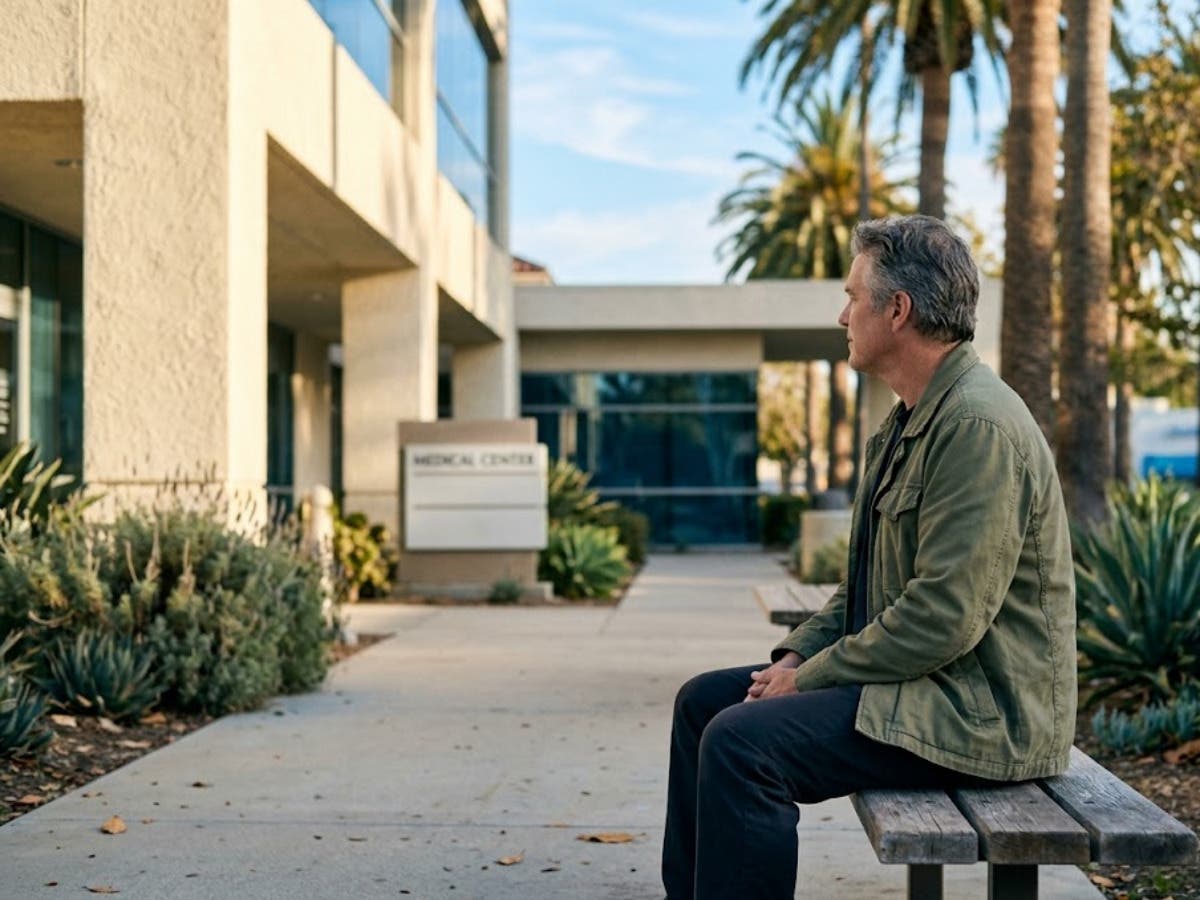
For many veterans, the hardest part of service is not deployment. It is the return home.
Reintegration asks a person to trade structure, mission, and an immediate support network for civilian routines that can feel unfamiliar and isolating. For a significant number of veterans, that transition becomes tangled up with alcohol, prescription medication, or other substances. Federal survey data has estimated that roughly 1.3 million U.S. veterans — about 7.8 percent — met criteria for a substance use disorder in 2020, with rates running highest among those who separated from service most recently.
Those numbers tend to improve over time as veterans access care. The gap is not usually motivation. It is access.
Why substance use and mental health often travel together
Among veterans, substance use rarely shows up on its own. Post-traumatic stress disorder, depression, anxiety, traumatic brain injury, military sexual trauma, and moral injury frequently occur alongside it. Research on veterans diagnosed with PTSD has consistently found elevated rates of heavy drinking and co-occurring substance use disorders.
That overlap matters clinically. Treating substance use while leaving trauma unaddressed tends to leave the underlying driver in place. Care that addresses both at the same time — often called integrated or dual diagnosis treatment — is generally considered the appropriate standard for this population rather than treating one condition and then the other in sequence.
Understanding the access options
The VA operates treatment programs nationwide, and for many veterans that is the right first call. Eligibility often depends on priority group, disability rating, and local capacity. Wait times vary considerably by facility, and in some regions they can extend well beyond a few weeks.
Veterans who face a long wait, need a program closer to home, or want a specific type of care have another pathway. Community Careallows eligible veterans to receive treatment from approved providers outside the VA system, with authorization coordinated through a VA case manager.
What outpatient care looks like locally
Outpatient treatment is structured to fit around work, school, and family responsibilities rather than requiring someone to step away from all of it. Programs generally range from partial hospitalization, which is the most time-intensive, through intensive outpatient and standard outpatient. Virtual options are also available at many programs, which can help veterans managing transportation or childcare barriers.
For trauma-related conditions, evidence-based approaches commonly used include EMDR, cognitive behavioral therapy, dialectical behavior therapy, and trauma-informed group work. Medication management for depression, anxiety, and sleep disruption is often part of the picture as well.
Asana Recovery is an outpatient provider based in Fountain Valley serving Orange County, and is in-network with TriCare and Tri-West for VA Community Care. Veterans or family members who want to understand what their benefits cover can contact the admissions team directly at (949) 763-3440 to talk through options, including coordination with a VA case manager. There is no cost to ask.
Families in Orange County who are unsure where to begin often find that a single phone call clarifies more than weeks of searching. Support exists, and it does not require waiting until things get worse to reach for it.
Read the original post here: https://asanarecovery.com/veterans-drug-and-alcohol-rehab/
More information about Asana Recovery's programs is available at https://asanarecovery.com/