Community Corner
Candidate Q & A: Barbara Dickerson
Citrus College Board of Trustee candidates answer questions from Patch.

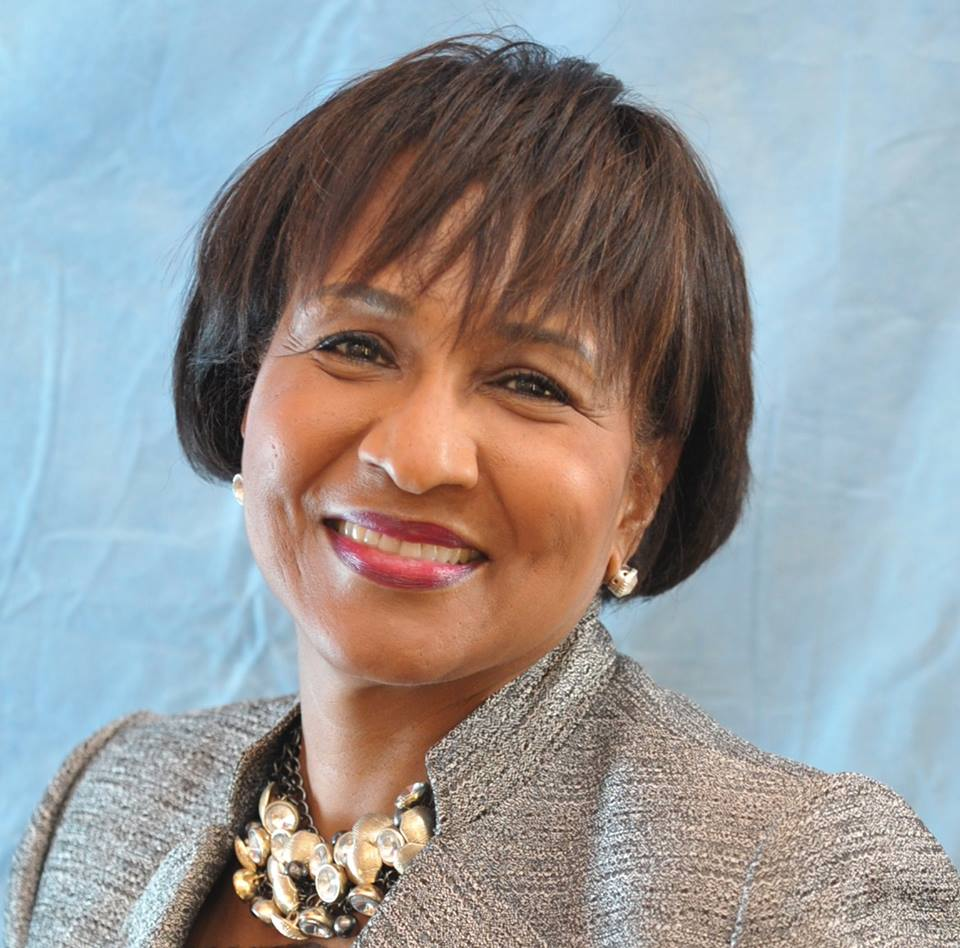
Glendora Patch asked the candidates for the Citrus College Board of Trustees to answer questions before the Nov. 5 election. All the candidates answered the same questions via email.
Name: Barbara Dickerson
Age: 61
Occupation: Educator/Executive Director
1. Please introduce yourself and tell us a little bit about your background and why you should be elected.
My passion and the reason for my interest in the Citrus Community College Board of Trustees is to create the programs and policies that support student access and success. That passion is fueled by my personal experience as a first generation college student and by my experience in helping countless students succeed in their college journeys. I am well qualified to serve as a member of the Citrus Trustee Board by my:
Educational background and experience
Education: PhD in Education from the largest public university in the U.S.
Professional Experience: Over 35 years of experience in education at all levels, including 25 years in colleges and universities. I have served as a classroom teacher, university dean, administrator and college professor.
Community Experience:
My community service has been recognized by the YWCA who named me their Woman of the Year in Education in 2007, and by Senator Dr. Ed Hernandez who named me the Woman of the Year for his legislative district in 2010.
I have served on the Azusa Unified School Board for the past eight years as an effective board leader and cheerleader for our teachers, students and administrators.
For over a decade, I have worked closely with Neighborhood Homework House, a local nonprofit providing tools to at-risk students and their parents. For the past four years, I have been able to advance its mission as its Executive Director.
Since moving to Azusa, I have been active in two local service clubs, with the primary goal of supporting student scholarships and advancement.
2. What do you think distinguishes you from other candidates? What do you bring to the table?
A. I am the only candidate who from the onset of the campaign has articulated my passion for student access and success.
B. I also possess knowledge of the Azusa K-12 system and the people who are or who will be making the decisions. Further, I have exhibited an interest in learning about Duarte’s K-12 system by attending their Education Foundation Dinner and in seeking the support of Duarte residents.
C. My professional life has afforded me the opportunity of having an effective record of working with diverse groups of students and assisting them in effectively navigating the higher education system.
D. I am the only candidate who has been active in the community in which I live since relocating to the city in 2002.
E. Finally I am the only candidate who has experience not only in higher education in Student Services and as an Academic Dean but have taught in the K-12 system as well.
3. What kind of experience do you have working with budgets?
In my current professional role as Executive Director of Neighborhood Homework House as well as my former professional roles as an academic dean and director of three different units in the Student Affairs Division, budgets have been and are a part of my professional life. Additionally, I have become familiar with budgets as they relate to public education via my role as a board member for the past eight years.
4. What are the most pressing issues facing Citrus College? How would you approach and resolve these issues?
The overarching challenge noted in the Information Guide from the President’s Circle of the Foundation was that of: educating and training a workforce that can compete in a global economy. This stated challenge provides a large framework to highlight at least 6 challenges and some of them are well known and have been widely discussed.
The first is what researchers are calling the Summer Melt. The research is suggesting that while graduating seniors report their intent to attend a community college, about 40% of them never appear. This is a challenge and we must become creative in structuring touch points to keep students engaged throughout the process until they show up at our doors.
The second is the lack of completion … an issue in which both the student and society loses when students enter with educational goals but do not obtain them. Also, as the colleges are asked to become more transparent about student achievement and success, the lack of completion can also serve as a deterrent to some students and the college’s enrollment would be adversely impacted.
The third is the lack of preparedness for collegiate work. This challenge demands collaboration with the K-12 systems to ensure that students are college ready. The fourth is the lack of understanding of Financial Aid. Students do not understand how to most effectively leverage their financial packages or they believe they cannot afford to matriculate at the community college because of the lack of funds. Further, this issue, like all of the rest has compounding impacts. For example, students who ‘borrow’ as a part of their financial aid package do not understand that they will have that financial obligation whether they complete their course of study or not. The fifth issue is the volatility of state funding for community colleges. The community colleges are at risk, as well as all sectors of the education community, as the legislators continue to struggle with balancing an ever growing budget. And finally there is the recent conversation at the state level as to the mission of the community colleges. Questions have emerged as to whether we should become four-year institutions, become more vocationally oriented or continue to provide a two-year pipeline to the Cal State and University of California systems. All of these challenges will need our very best thinking and responses.
5. How would you bring cohesion to the board during a time of tension between members?
I have stated before that one runs as an individual but the best work is conducted as a collective. I think that anyone who has worked with me on the Azusa Board for the past 8 years will be able to speak to my ability to become a colleague. I think this happens as you take an interest in the person, not just the role that he or she fulfills. Further, I genuinely enjoy other people and have a proven record of working effectively within groups where there are diverse views among the group members.