Arts & Entertainment
What To Watch This Weekend: 'One Night Only,' 'Super Troopers 3,' 'Late Fame' And 'Ted Lasso' Season 4
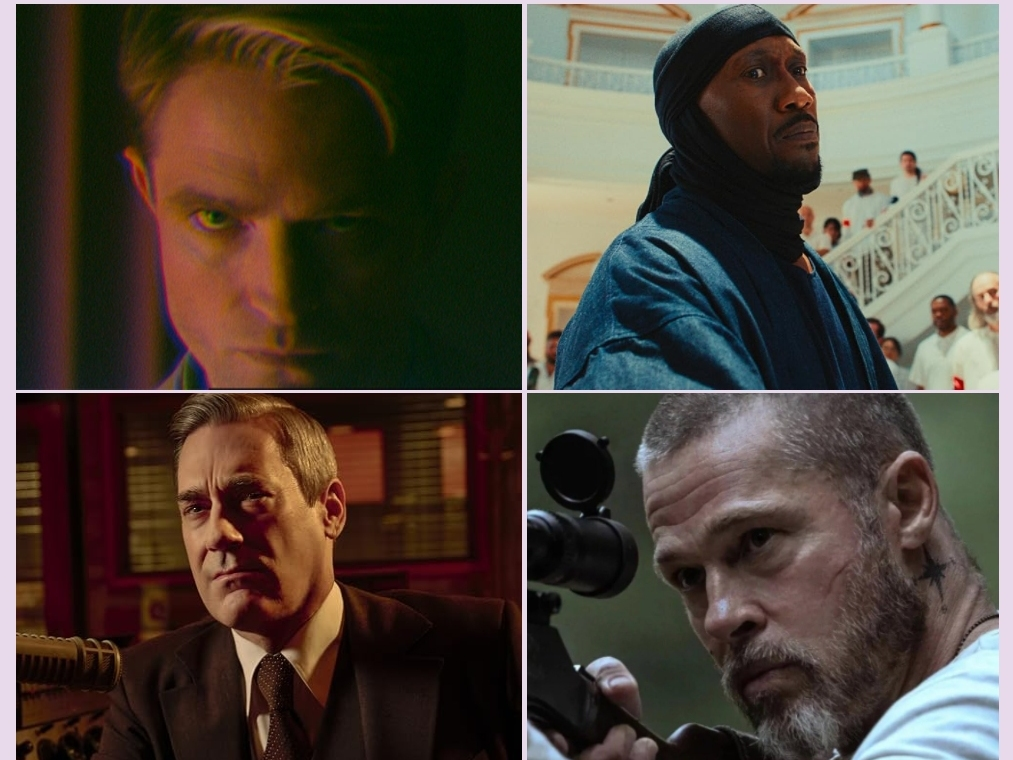
Monica Barbaro, Callum Turner, Willem Dafoe, Greta Lee, Jason Sudeikis, Hannah Waddingham and Steven Lemme headline this week's lineup.


HOLLYWOOD, CA — This weekend’s watchlist features two hopeless romantics, a band of chaotic troopers, a forgotten poet, and one relentlessly optimistic coach.
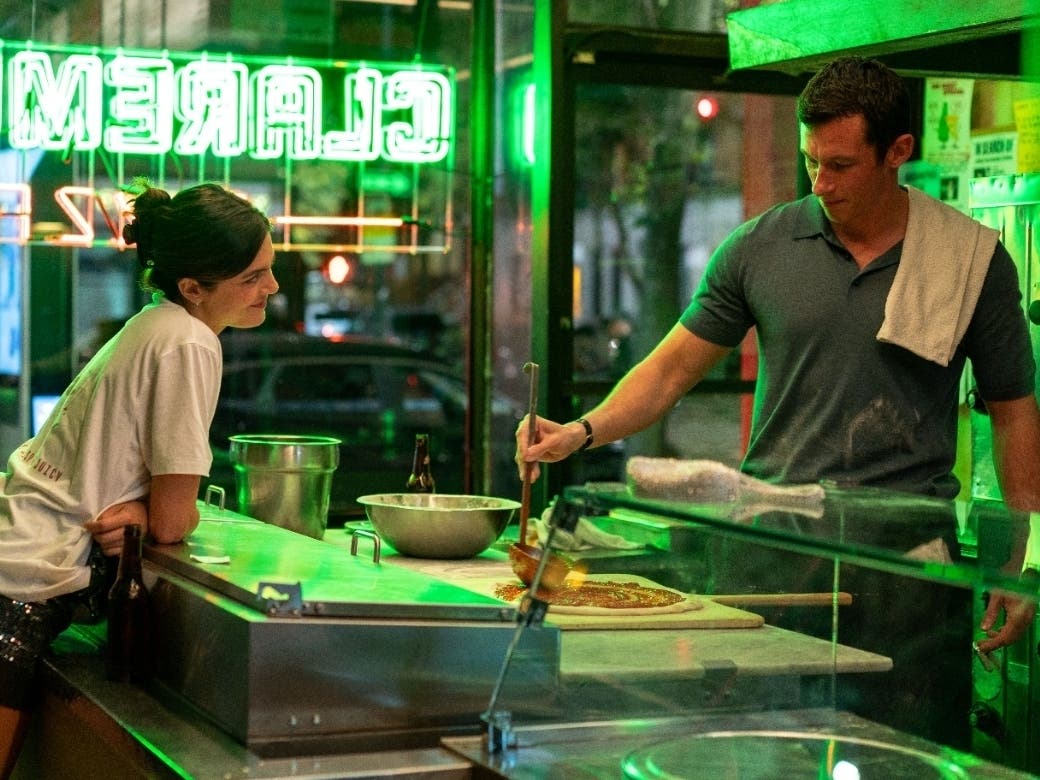
Leading the charge is “One Night Only,” a dystopian rom‑com where chemistry, chance, and modern dating collide in neon‑lit unpredictability.
SEE ALSO:‘One Night Only’ Review: A Charming Rom-Com Undone By Its Half-Built Dystopia
Find out what's happening in Hollywoodfor free with the latest updates from Patch.
“Super Troopers 3” brings the unruly patrol back into action, their misfires and bickering fueling a comedy of wedding chaos and botched investigations. “Late Fame” shifts into a quieter register, following a once‑celebrated writer confronting admiration, illusion, and the ache of long‑delayed recognition.
Closing out the lineup, “Ted Lasso” Season 4 finds the titular coach guiding a second‑division women’s squad, fueled by the stubborn hope that still defines him.
Find out what's happening in Hollywoodfor free with the latest updates from Patch.
Ready to dive in? Scroll down for the full lineup, with deeper explorations below that unpack performances, themes and craft in greater detail.
Related:
- Other Titles To Watch: 'Moana,' 'Evil Dead Burn,' 'Little House On The Prairie,' 'The Five Star Weekend'
- Other Titles To Watch: 'Minions & Monsters,' 'Young Washington,' 'Enola Holmes 3,' 'Silo,' 'X-Men '97'
What To Watch This Weekend
“One Night Only”
Monica Barbaro, Callum Turner; directed by Will Gluck
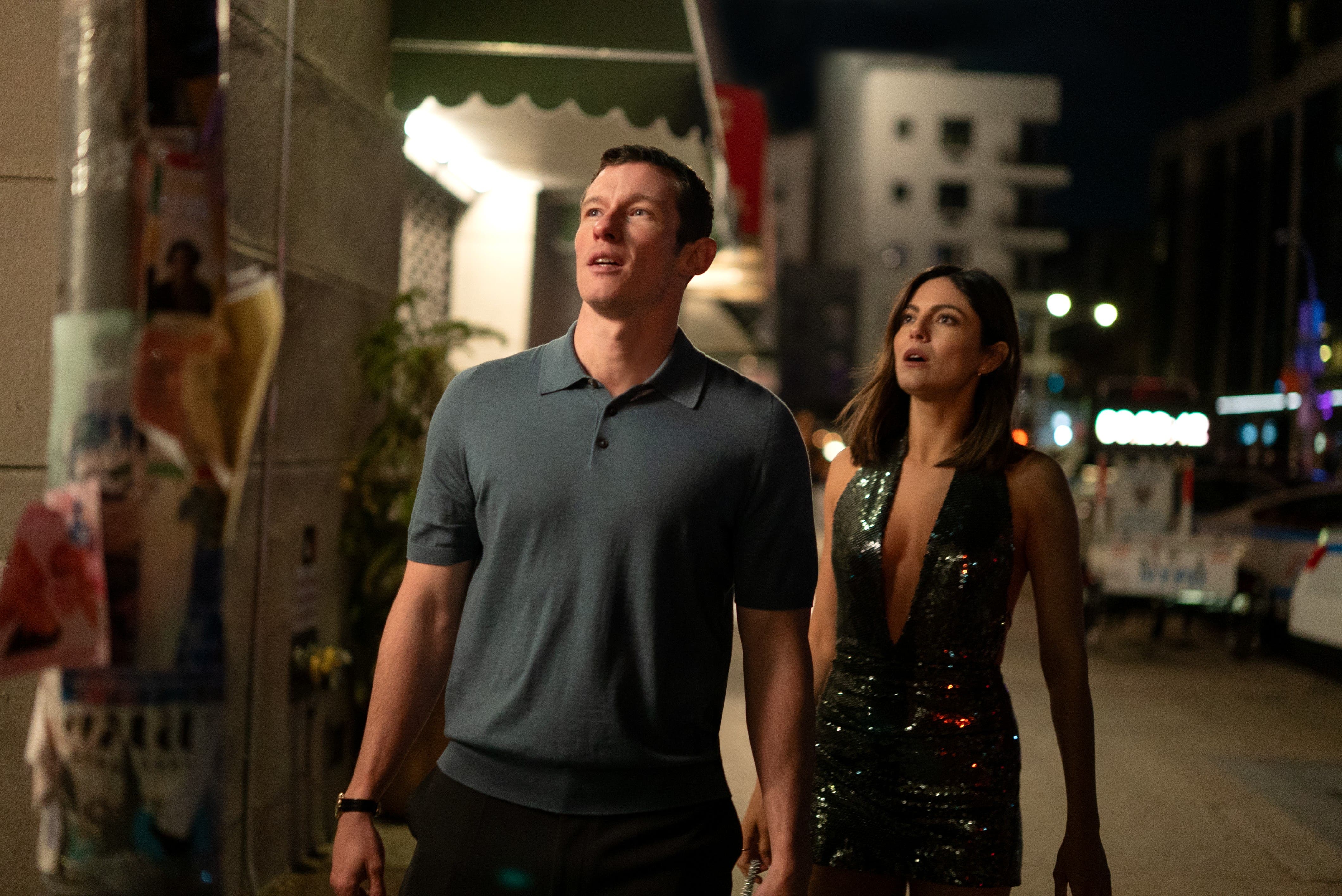
A city under curfew. A one-night mandate. A broken heart. A longing. A countdown. Then laughter, then connection.
From these fragments emerges Will Gluck’s “One Night Only,” an off‑kilter romance set against a lightly dystopian New York where people are constantly reachable yet rarely available. It’s a familiar metropolis, only slightly skewed — repression masquerading as order, intimacy treated like a controlled substance, desire flickering like a fleeting impulse. Three years after premarital sex is outlawed, chastity gear, surveillance checkpoints, and corporate clutter shape daily life, while a single sanctioned night each year briefly legalizes intimacy for singles.
The film struggles to reconcile its buoyant rom‑com instincts with the melancholy world it sketches, creating a tonal mismatch that leaves the viewer unable to fully inhabit either set of stakes. The dystopia never carries emotional weight; instead, it drifts along the margins, nodding toward anxieties it has no real interest in unpacking. What emerges is a romance constantly at odds with a world too thinly imagined to support it.
Allie (Monica Barbaro) and Owen (Callum Turner) bring grounded sweetness to the chaos, their chemistry offering jolts of connection in a city that rations desire. Yet every time the romance starts to breathe, the film undercuts it with tonal chaos — bureaucratic checkpoints, last‑minute scrambles for sanctioned protection, outlandish detours that tilt the story toward farce.
“One Night Only” has charm, but not enough clarity to give its world any real shape. The result is a delightful yet unstable romance — bright enough to entertain, but too conceptually fragile to truly stand on its own.
“Super Troopers 3”
Kevin Heffernan, Steve Lemme, Paul Soter, Erik Stolhanske; directed by Jay Chandrasekhar
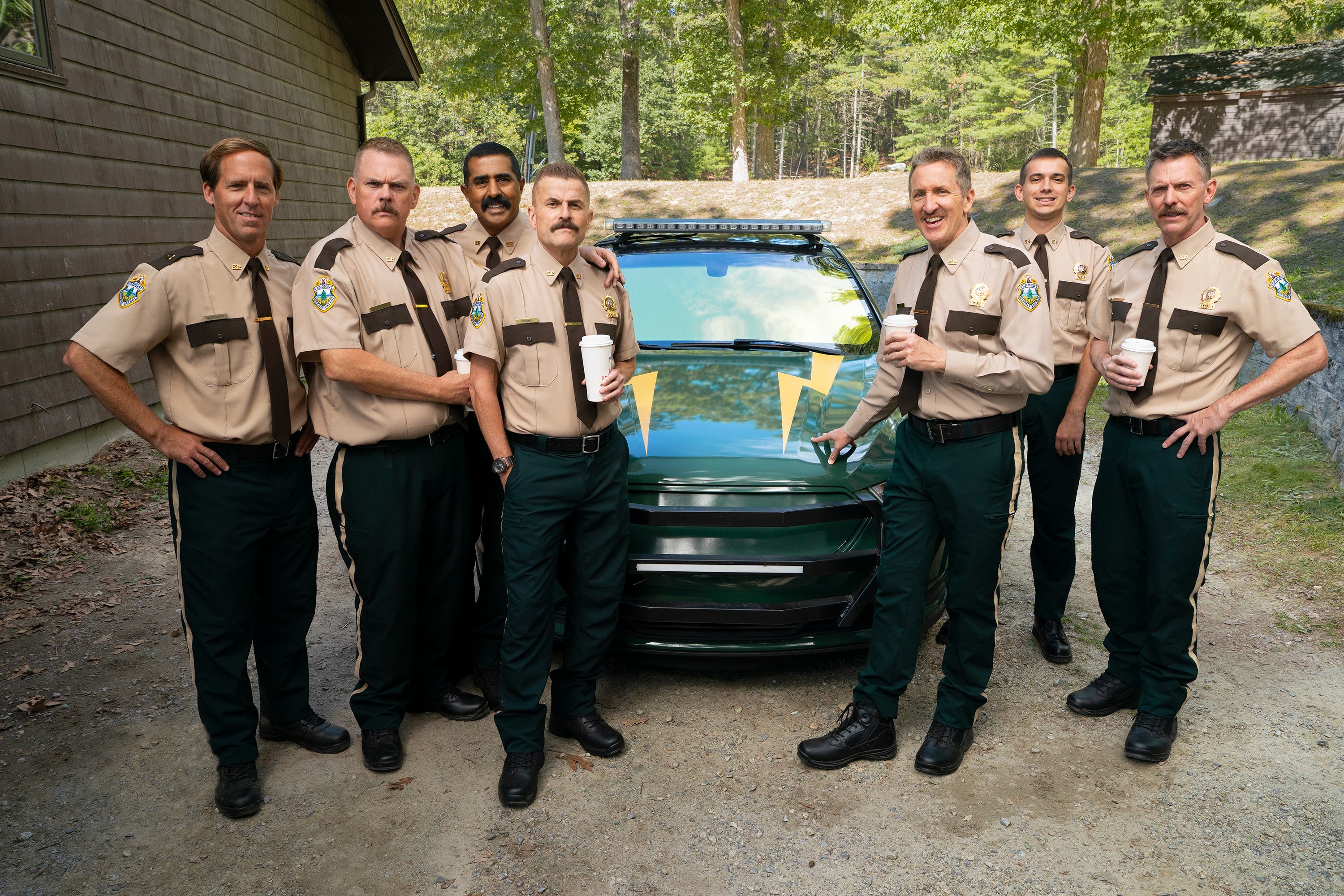
Jay Chandrasekhar’s “Super Troopers 3” revisits the Broken Lizard patrol with the same scrappy, anarchic energy that defined the original, but this time the squad is pulled into a tangle of wedding chaos and a drug‑ring investigation that keeps tripping over itself. What emerges is a comedy trying to revive its cult‑classic looseness while wrestling with a story far more convoluted than its laid‑back sensibility can support.
Working once again with the full troupe, Chandrasekhar leans heavily on their long‑standing rapport — the easy rhythms, the familiar bickering, the gleeful stupidity — yet the film’s momentum rarely settles. The gags arrive in bursts, but the laughs are inconsistent, undercut by an overstuffed narrative that keeps shifting focus. The production’s cheerfully low‑budget aesthetic gives the film a loose, improvisational feel, though it also exposes how thin the comedic scaffolding becomes when stretched across multiple plotlines.
The cast remains game: Heffernan’s Farva is still a combustible irritant, Chandrasekhar’s Thorny provides the closest thing to emotional ballast, and the ensemble’s camaraderie offers flashes of the old spark. But their energy can’t fully bridge the gap between nostalgic goodwill and scattershot execution. In the end, “Super Troopers 3” lands as an amiable yet exhausted sequel — spirited enough to amuse longtime fans, but too unfocused and underpowered to justify its return.
“Late Fame”
Willem Dafoe, Greta Lee; directed by Kent Jones
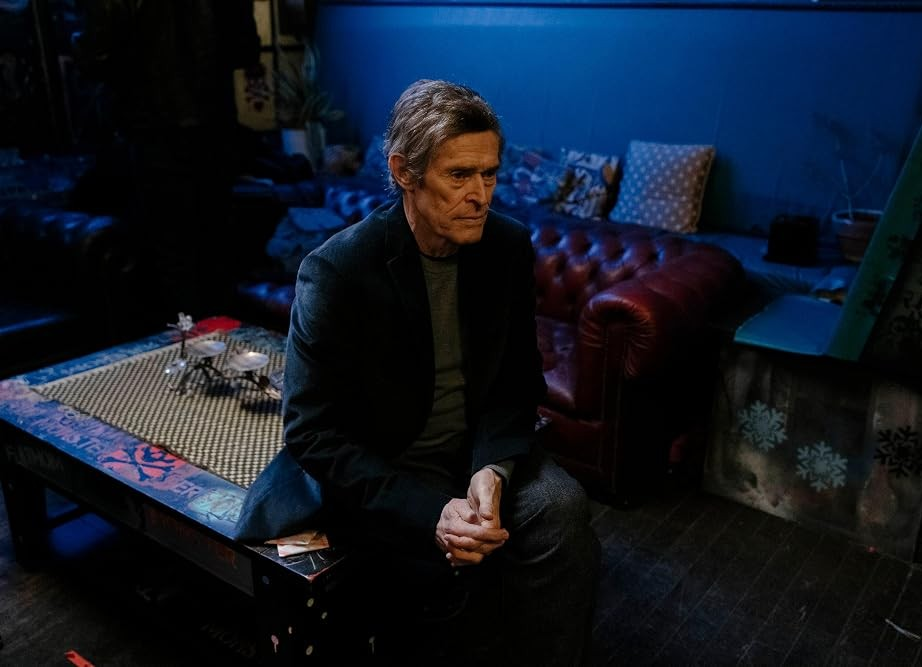
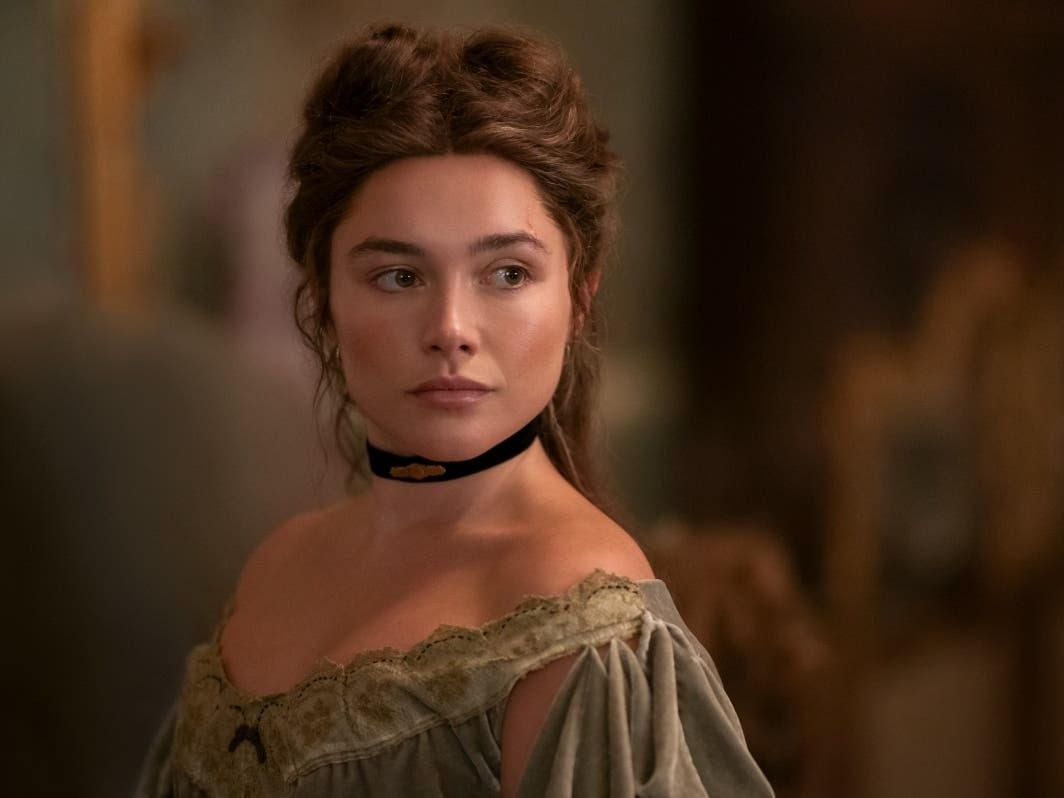
Ken Jones' “Late Fame” unfolds as a piercing study of artistic longing and the ache of recognition deferred, a modern New York tale shaped by the fragile hopes of people who once dreamed loudly and now dream in private. Adapted from Arthur Schnitzler’s 19th‑century novella, the film reframes its meditation on ambition and self‑delusion for a contemporary creative class still chasing the shimmer of relevance.
With a melancholy pulse, the narrative follows Ed Saxberger (Willem Dafoe), a retired writer pulled back into the orbit of younger artists who idolize his early work. Their admiration becomes both balm and burden, stirring old illusions and exposing the gap between who Ed once imagined himself to be and who he has become.
Dafoe anchors the film with a performance of quiet, humane precision, shading Ed’s vulnerability with wry humor and bruised dignity. Greta Lee, as a charismatic downtown poet, brings a vivid, searching energy that sharpens the film’s emotional stakes.
Though its pacing is gentle and its conflicts understated, “Late Fame” emerges as a bittersweet, beautifully observed character study — a small, resonant film about the desire to be seen before it’s too late.
“Ted Lasso” Season 4
Jason Sudeikis, Hannah Waddingham, Juno Temple, Toheeb Jimoh; created by Bill Lawrence and Jason Sudeikis
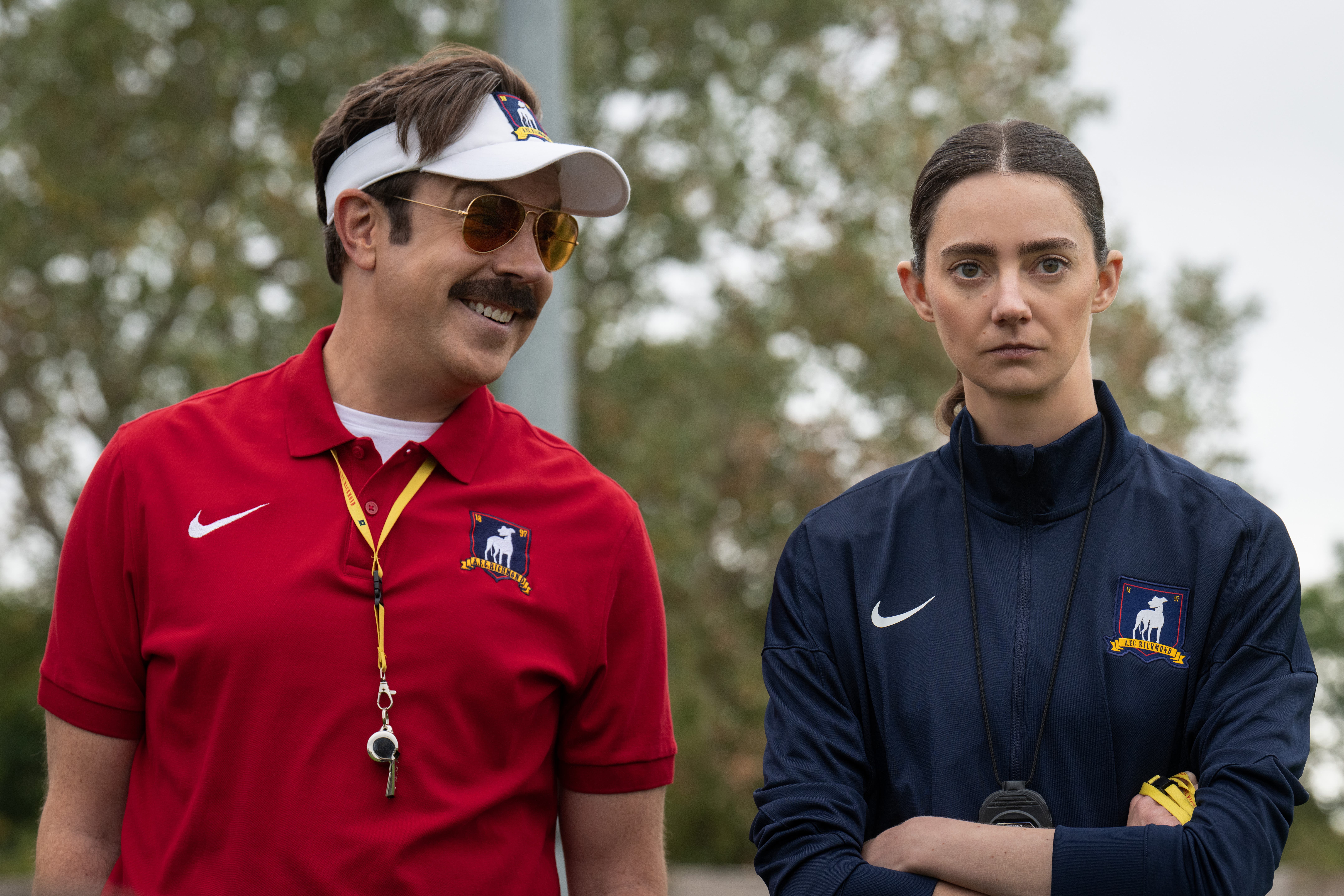
Apple TV+’s “Ted Lasso” returns with a fourth season that reshapes the series’ emotional center, following Ted (Jason Sudeikis) as he steps into the challenge of coaching a second‑division women’s football team. The shift — away from AFC Richmond and toward a new roster of players navigating pressure, ambition, and fractured confidence — reframes the show as an ensemble‑driven study of mentorship and renewal rather than a traditional underdog comedy.
Creators Bill Lawrence and Jason Sudeikis build the season around character‑first storytelling, moving through locker rooms, training pitches, and late‑night strategy sessions with a more reflective rhythm.
Sudeikis delivers a measured performance, charting Ted’s attempt to rebuild purpose while honoring the optimism that once defined him. Waddingham remains magnetic, her scenes crackling with authority and bruised tenderness. Juno Temple and Toheeb Jimoh add emotional texture, sharpening the season’s themes of reinvention and belonging.
“Ted Lasso” Season 4 emerges as a warm, affecting continuation — less rousing than earlier arcs, but rich in character and grounded in the show’s enduring belief in second chances.
Get more local news delivered straight to your inbox. Sign up for free Patch newsletters and alerts.