Community Corner
Flowers Pop Early In SoCal, But Superbloom Chances May Wilt Under January Heatwave
After near-record winter rainfall, hot and dry weekend weather may affect the wildflowers that are already starting to bloom in SoCal 2026.


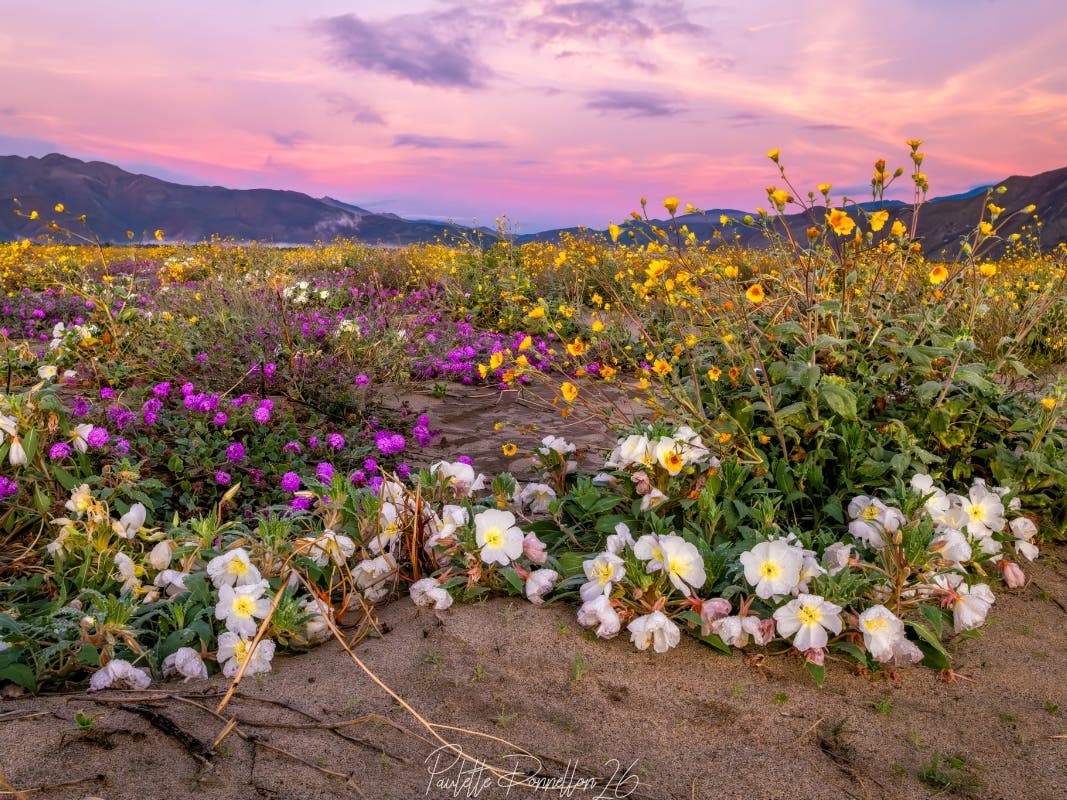
SOUTHERN CALIFORNIA — Will California experience a much-anticipated superbloom in 2026? Or should we all just get out and enjoy the wildflowers already in bloom in this early spring weather?
Patch spoke with experts from California State Parks, from the Anza-Borrego Desert to the Chino Hills, to learn what's blooming and whether early blossoms this spring could hamper hopes for the floral carpeted hillsides we look for year after year.
Find out what's happening in Lake Elsinore-Wildomarfor free with the latest updates from Patch.
There is a recipe for a perfect superbloom.
The landscape requires equal parts "good rain," cool nighttime temperatures, and a well-stocked seed bank, according to the California State Parks naturalists. We are several weeks away from knowing whether the stars will align for a superbloom, according to a statement from the Anza-Borrego Foundation.
Find out what's happening in Lake Elsinore-Wildomarfor free with the latest updates from Patch.
"Visitors are spotting desert sand verbena, primroses, desert sunflowers, apricot mallow, and even desert lilies," according to the California State Parks. "(It's) alive with beauty for those who know where to look."
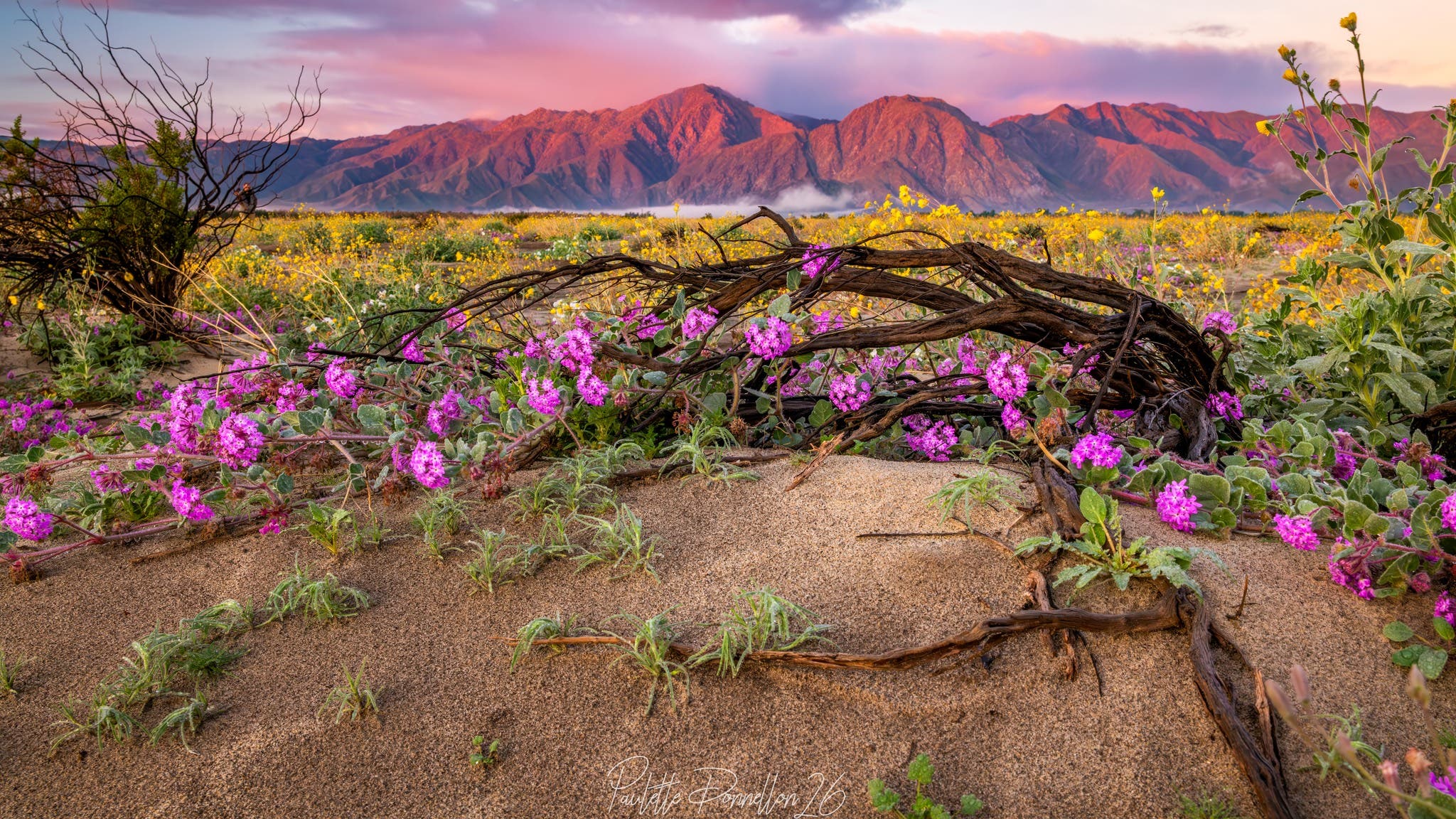
"Spring season in 2026 will likely see a moderate-to-strong wildflower boom, thanks to widespread rainfall during the fall and winter seasons," according to the state parks service. Seeing the best of the wildflowers depends on the park, timing, and paying attention in your area. Right now, the Anza-Borrego Desert State Park is showing early signs of wildflowers.
"They are already appearing across portions of the park, with Henderson Canyon Road currently offering the most vibrant displays. Early color is also showing in Borrego Palm Canyon and Coyote Canyon. "Overall, the park is lining up for a very nice early bloom, from now through mid- to late February, weather permitting." More rainfall and cooler temperatures could extend the bloom into early spring.
Wildlife and nature photographer Paulette Donnellon's camera lens is trained on the southern California hillsides.
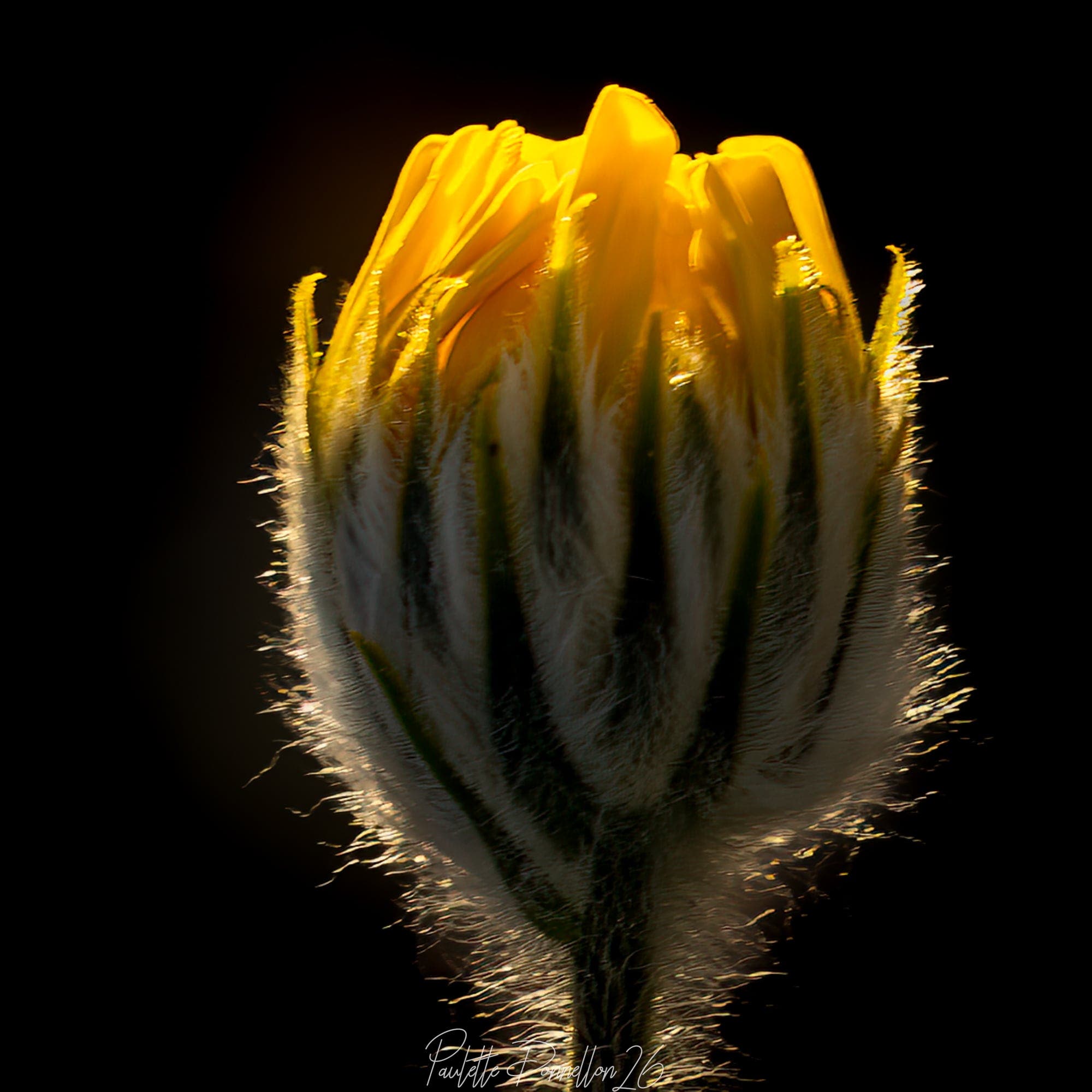
She spent Friday morning in the badlands, snapping the buds and reaching stalks of Desert Lilies, Dune Evening Primrose, Desert Sunflowers, Brown Eyed Primrose, and Desert Sand Verbena. Later, she'll review hundreds of photos, selecting those that most represent the early bloom season.
"I'm starting to see evidence of carpets of flowers out there. It's an exciting time," Donnellon told Patch. This unseasonal weather is commonly referred to as a "Fool's Spring," a period after a cold snap when temperatures spike before dropping again.
This weekend, Southern California will see temperatures skyrocket into the high 80s before dropping back into the 70s. After periods of heavy winter rain, warmer weather has forced early blooms on some of our native plants.
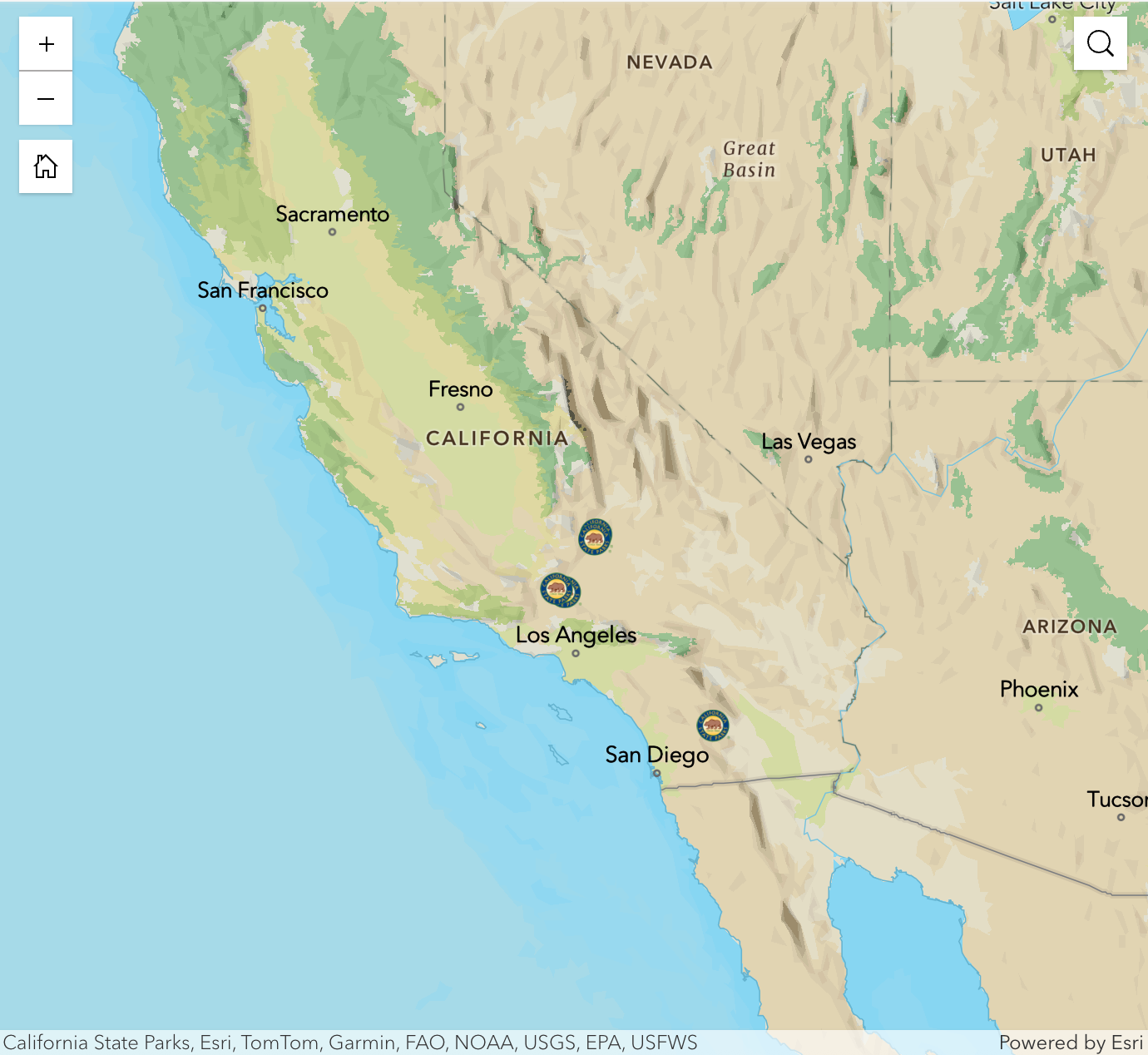
The hillsides and plains of Southern California, green from winter rains, may soon see pockets of color, tracked by the California State Parks Flower Bloom Updates map.
The surge of unseasonably warm weather might damage young sprouts, either forcing them into an early bloom or keeping the young buds from emerging at all, according to botanical experts from Chino Hills State Park.
"Some predict that we will not have a superbloom of native flowers this year because the early rains gave the grasses and the invasive black mustard a head start on the native wildflowers," State Park naturalist Sherry Schmidt said over social media.
Still, it may be time to enjoy the blooms early.
"Right now, the hills are lush and green," Schmidt said. "The introduced radish and invasive mustard are starting to bloom along roadways, providing color."
The native wildflowers are starting to bloom in small patches, which you can see if you're out and about on approved dirt trails, or as you drive by hillsides across California.
Schmidt shared her photos of native plants blooming right now, at the end of January, among other flowers:
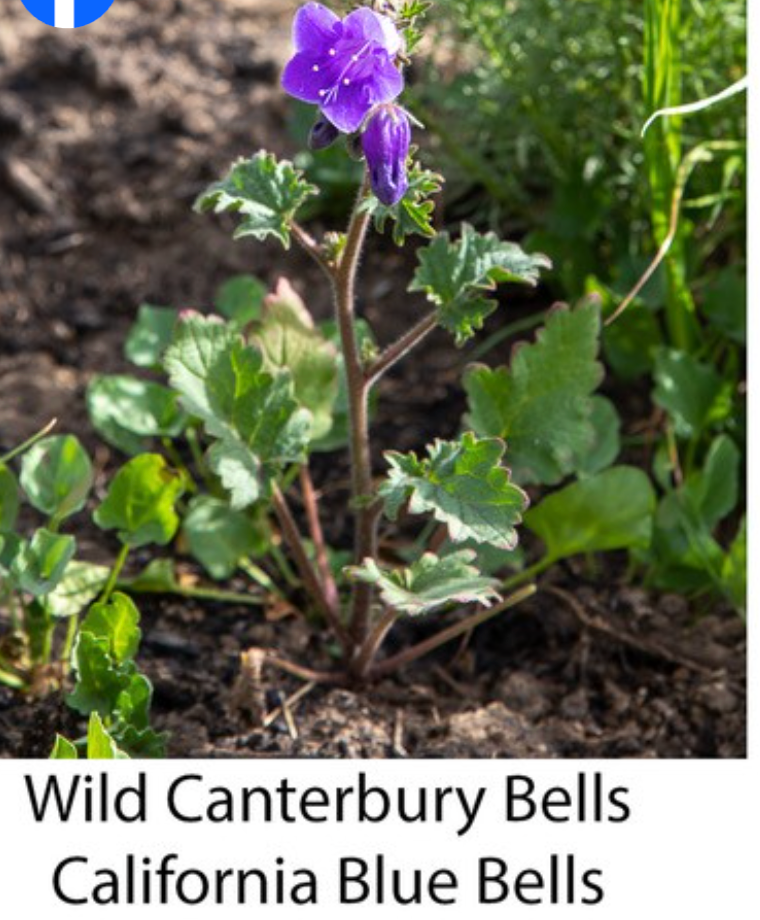
The deep purple of the Wild Canterbury Bells - also known as California Blue Bells.
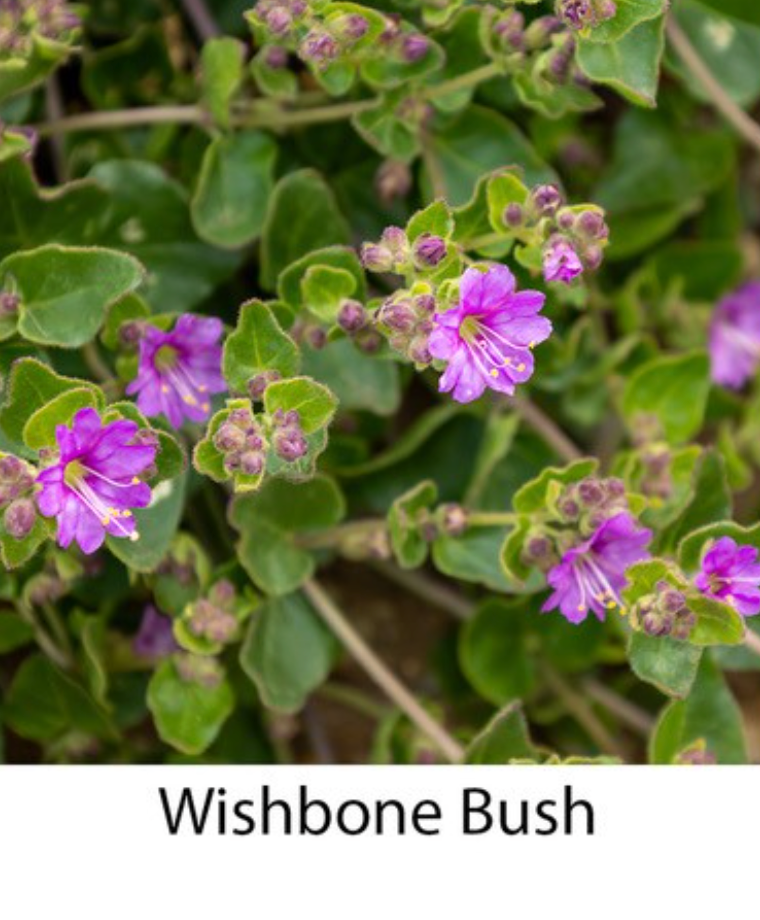
The vibrant fuchsia of the Wishbone bush flower.
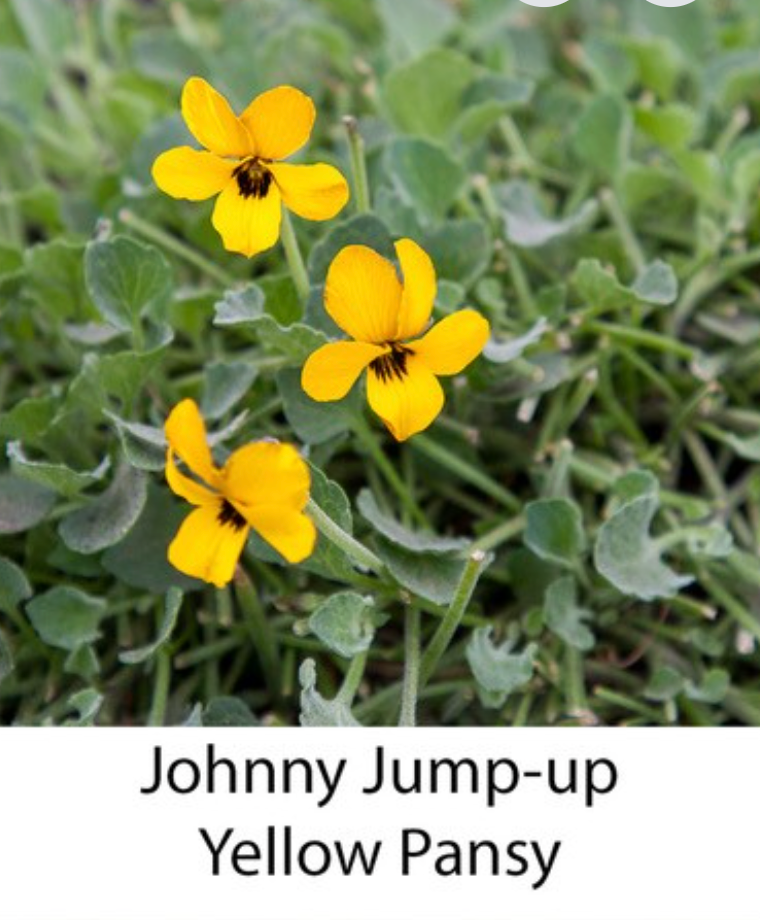
Look for the rich golds of the five-petaled Johnny Jump-up Yellow Pansy.
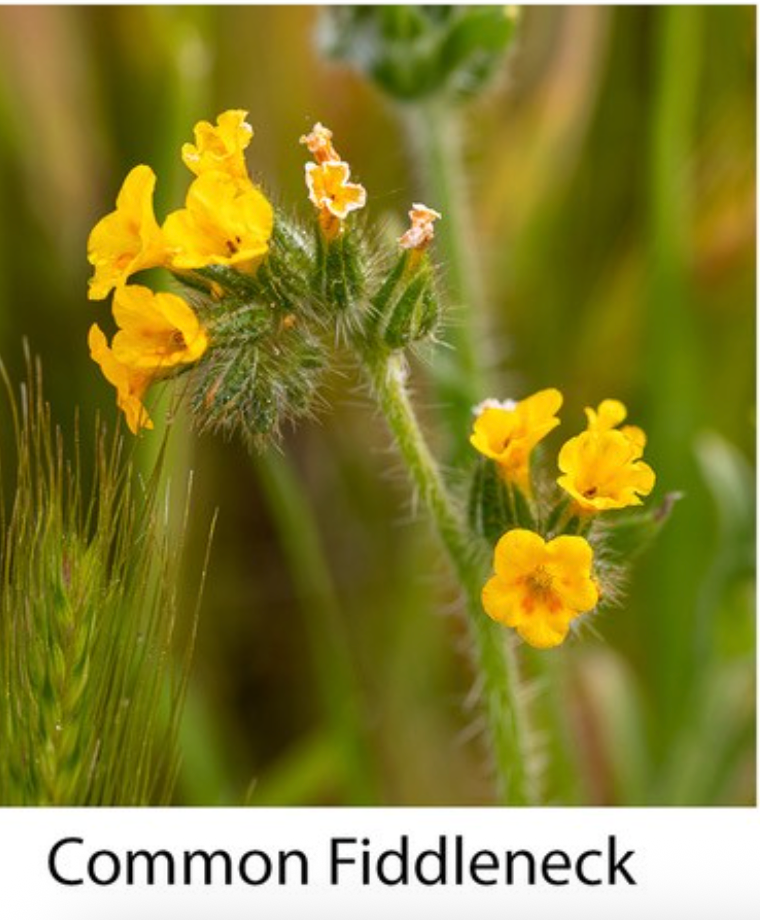
Find the papery gold buds of the Common Fiddleneck.
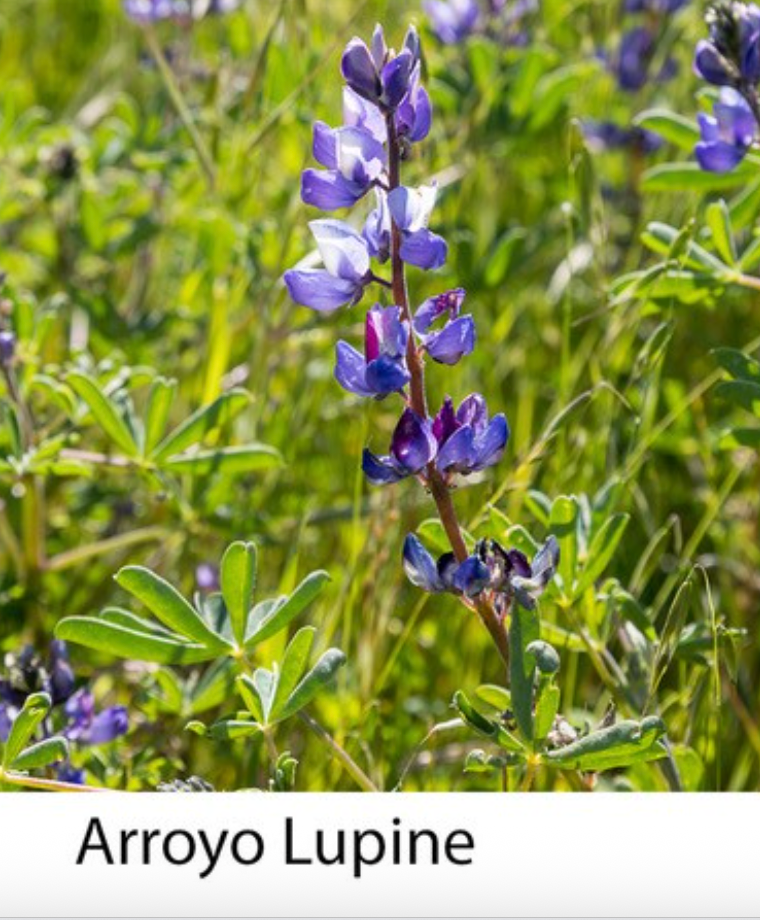
Spy the stalks of deep purple-blue from the Arroyo Lupine.
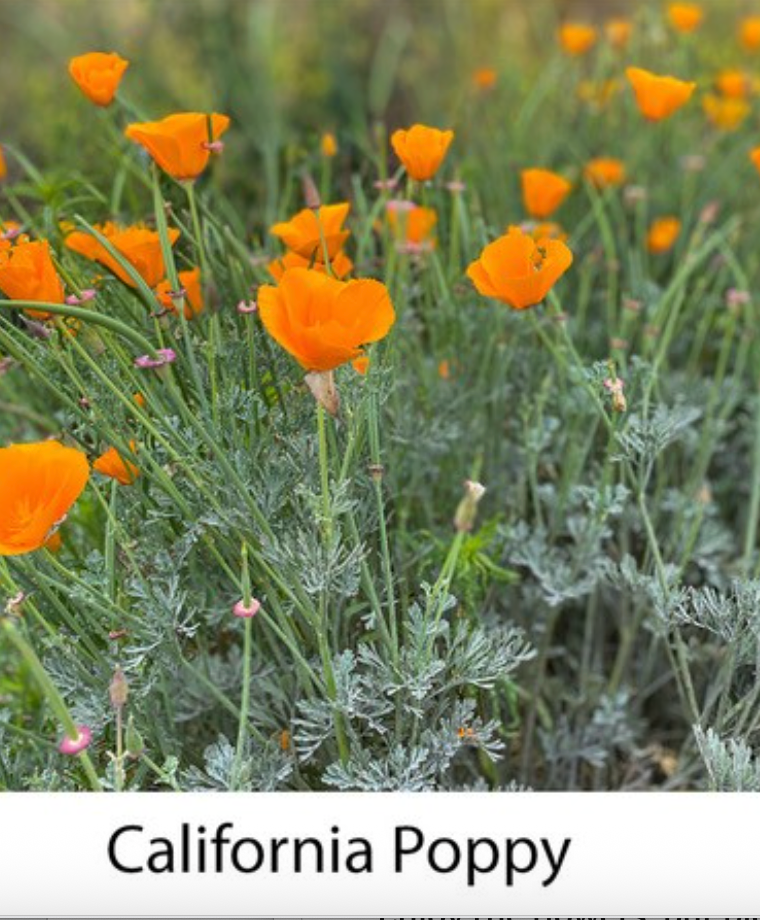
Last but not least, scan for the bright orange feathery blooms of the California Poppy, our state flower.
"Enjoy the flowers, but please do not pick them or damage them by walking off the trails," state park officials urged. "We need the flowers that bloom this year to survive and produce seeds to promote a wildflower bloom next year."
Get Out And Enjoy The Wildflowers, Superbloom Or Not.
With January exiting Southern California with a heatwave, experts are unsure what the wildflowers will look like across the California hillsides. Still, all signs say get out and enjoy the wildflowers currently in bloom.
Have you seen wildflowers blooming in your area?
Let us know and send your pics, as well as where you were when you took them, for a chance to be featured on Patch.
WHEN YOU GO:
All wildflower viewers should explore safely and responsibly, particularly in desert state parks where landscapes and weather can change on a moment's notice, and cell service is limited.
- Be prepared for spotty cell service. Let someone know where you are headed, and when you are expected to return.
- Download OuterSpatial, the official app of State Parks, for updated information about the parks.
- Know the limits of your vehicle and which areas allow off-highway recreation.
- Pull over safely when viewing wildlife or taking photos. Stay clear of traffic.
- Have plenty of fuel for your journey, whether gas or charge. Many parks are remote and resources are limited.
- Check the weather for heat or rain.
- Bring sunscreen, a hat, layers of clothing, closed-toed shoes, and water.
- Respect the landscape. Flower picking is prohibited. Take only pictures.
- Only take dogs if the park allows it. Dogs are not allowed in the back country or wildflower fields.
- Follow rules for drone use. Please visit the Drones in State Parks webpage for more information.
Whether viewing wildflowers, hiking or camping, it is important for visitors to plan their outdoor adventure properly. For more safety tips, visit parks.ca.gov/safetytips.
Get more local news delivered straight to your inbox. Sign up for free Patch newsletters and alerts.