Crime & Safety
Prescription Drug Take-Back Day Across California Saturday
Saturday, Oct. 22 is National Prescription Drug Take-Back day. Residents are invited to turn in their expired, unwanted prescription drugs


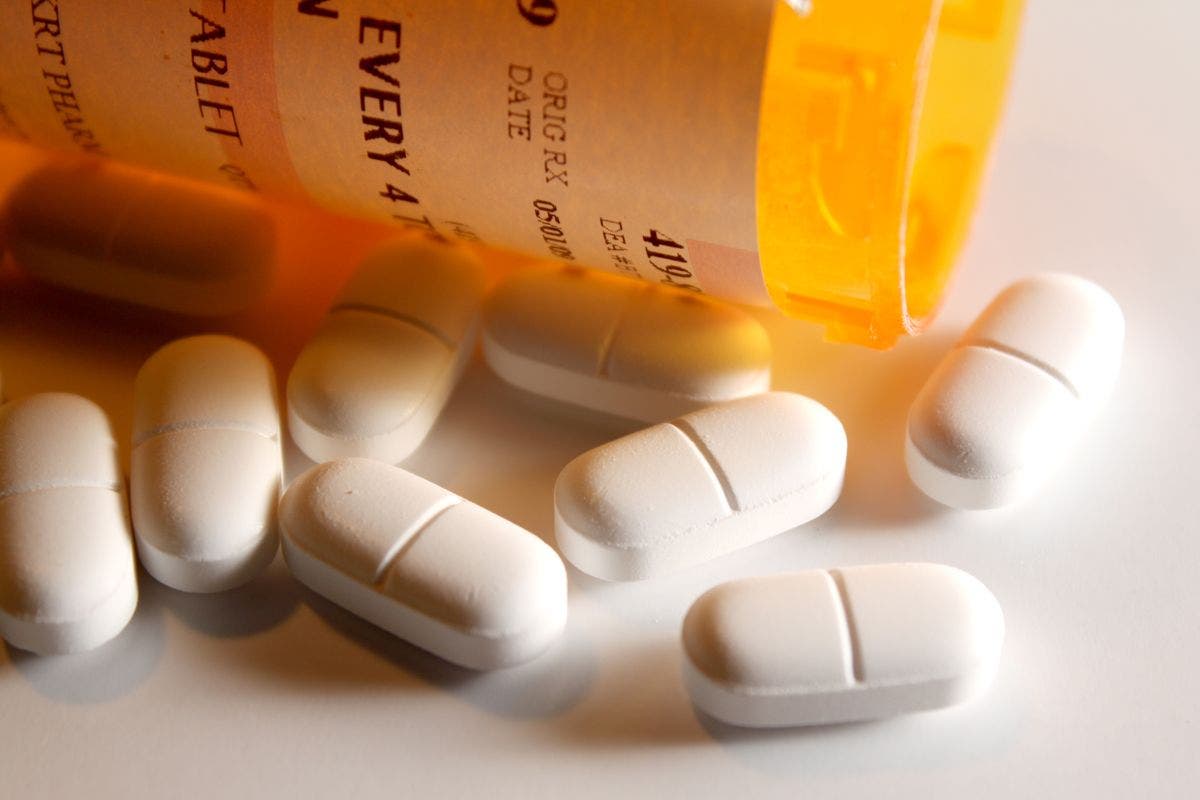
LAKE FOREST, CA — Is your medicine cabinet full of expired or unwanted drugs and medications? On Saturday, Oct. 22 police departments, sheriff's departments and other agencies across California will accept expired, unused and unwanted prescription drugs and over-the-counter medications for proper disposal.
A partnership with the DEA, and local police and sheriff's offices across California and the country ensure that the same practices will be followed by all.
"You can drive right up and anonymously hand in any unwanted medication, prescription or over-the-counter," Orange County Sheriff's Department Public Information Officer Carrie Braun said.
Find out what's happening in Lake Forestfor free with the latest updates from Patch.
As with the last Drug Take-Back event of April 30, there will be six OCSD sites across Orange County.
"Orange County Sheriff's Department Drug Take-Back locations are in Laguna Hills, Lake Forest, Mission Viejo, San Juan Capistrano, Rancho Santa Margarita and Villa Park, all at City Hall buildings. From 10 a.m. to 2 p.m.," Braun said. "This event is for liquid and pills only. No Sharps. No needles will be collected during Prescription Drug Take-Back."
Find out what's happening in Lake Forestfor free with the latest updates from Patch.
Click Here to find a Drug Take-Back Site near you.
The DEA will collect all medications and ensure they are disposed of properly, Braun said.
Just about everyone has medications to dispose of in their home. All you have to do is peek in the medicine cabinet.
"Quite often people get a prescription for pain killers and do not use it all. You could have five pills from one, 10 from another, they sit in your cabinet and you never will use them," she said. "If someone were to get their hands on pain killers, that is how addiction can start."
Drop-off locations vary, according to officials, and can be searched via the DEA's website. All locations will be open from 10 a.m. to 2 p.m. local time.
Why is it important to properly dispose of medicine?
"Medicines that are improperly disposed of can contaminate the water supply," Braun said.
How can you tell if your medicine should be turned in?
"Always read and follow the expiration dates on your medicine bottles," FDA pharmacist Ilisa Bernstein said. "Once the expiration date has past, there is no guarantee that your medicine will be safe or effective. If your medicine has expired, don't use it."
What to do with unwanted medicine:
Don't throw them in the trash. If you must flush, be sure that your prescription is flushable on this FDA flush-approved drug list.
However, the FDA and Drug Enforcement Agency, working with local law enforcement agencies, recommend you collect your unwanted medications, either prescription or over-the-counter, and take them to a Drug Take-Back event in your area.
The DEA has partnered with law enforcement, school districts and cities in a national event that ensures unwanted prescription or over-the-counter drugs don't fall into the wrong hands.
"Americans turned in more unused prescription drugs at the most recent DEA National Prescription Drug Take-Back Day than on any of the previous 10 events since it began in 2010, demonstrating their understanding of the value of this service," the Drug Enforcement Administration said after the May 2016 Drug Take-Back day.
What happens to all that medication?
The DEA ensures proper disposal of all medication it collects. At the last national Take-Back Day event from earlier in 2016, the DEA reported that 4,200 agencies worked to collect almost 900,000 pounds of unwanted medicines.
"State, local and tribal law enforcement partners collected about 447 tons at almost 5,400 sites spread across 50 states, beating the previous high from 2015 by 57 tons," they said.
California reportedly collected 32 tons of medicines in May of this year.
"The majority of prescription drug abusers report in surveys that they get their drugs from friends and family," the DEA public affairs office said. "Americans understand that cleaning out old prescription drugs from medicine cabinets, kitchen drawers, and bedside tables reduces accidents, thefts, and the misuse and abuse of these medicines."
That includes opioid painkillers that accounted for 20,808 drug overdoses — 78 a day — in 2014 according to the CDC.
“These results show that more Americans than ever are taking the important step of cleaning out their medicine cabinets and making homes safe from potential prescription drug abuse or theft,” said DEA Acting Administrator Chuck Rosenberg. “Unwanted, expired or unused prescription medications are often an unintended catalyst for addiction."
According to the DEA, eight out of 10 new heroin users reported that they began drug use by abusing prescription painkillers and moved to heroin when they could no longer obtain or afford those painkillers.
"Take-Back events like these raise awareness of the opioid epidemic and offer the public a safe and anonymous way to help prevent substance abuse,” Rosenberg said.
Click here to find a Drug Take-Back Site near you.
Shutterstock photo
Get more local news delivered straight to your inbox. Sign up for free Patch newsletters and alerts.