Neighbor News
Beating the SoCal Summer Heat: The Science of Heat-Reflective Paints and How to Avoid Costly DIY Mistakes
Breaking down the technology behind ceramic thermal barriers, elastomeric coatings, and a major warning for stucco vs. wood

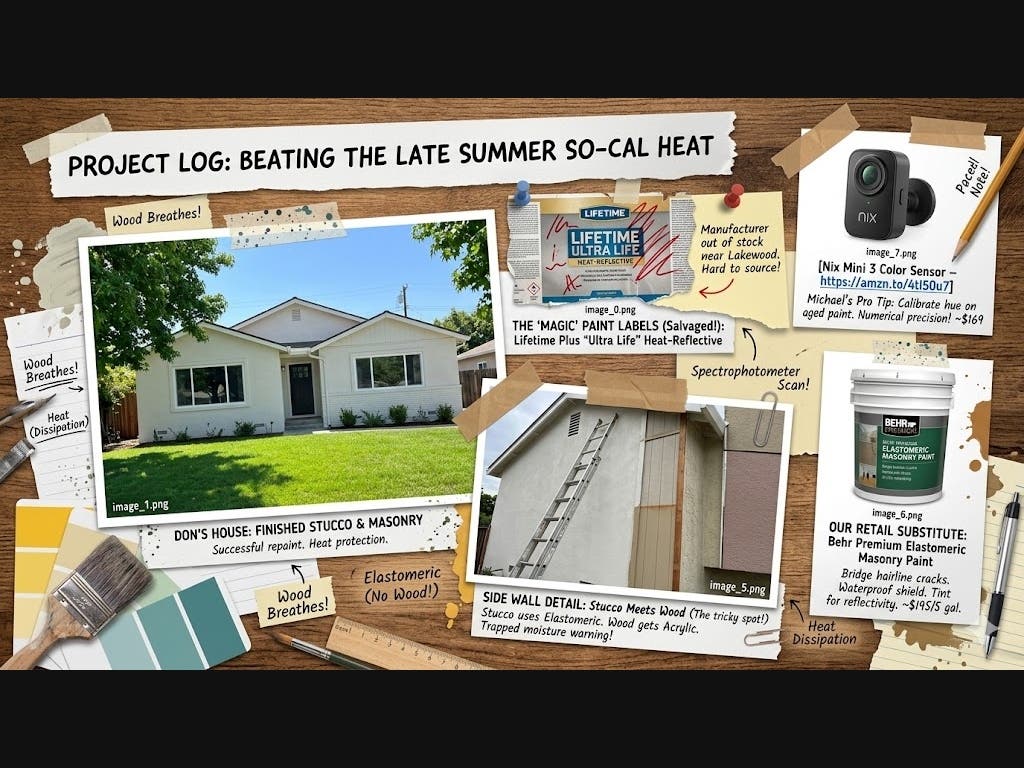
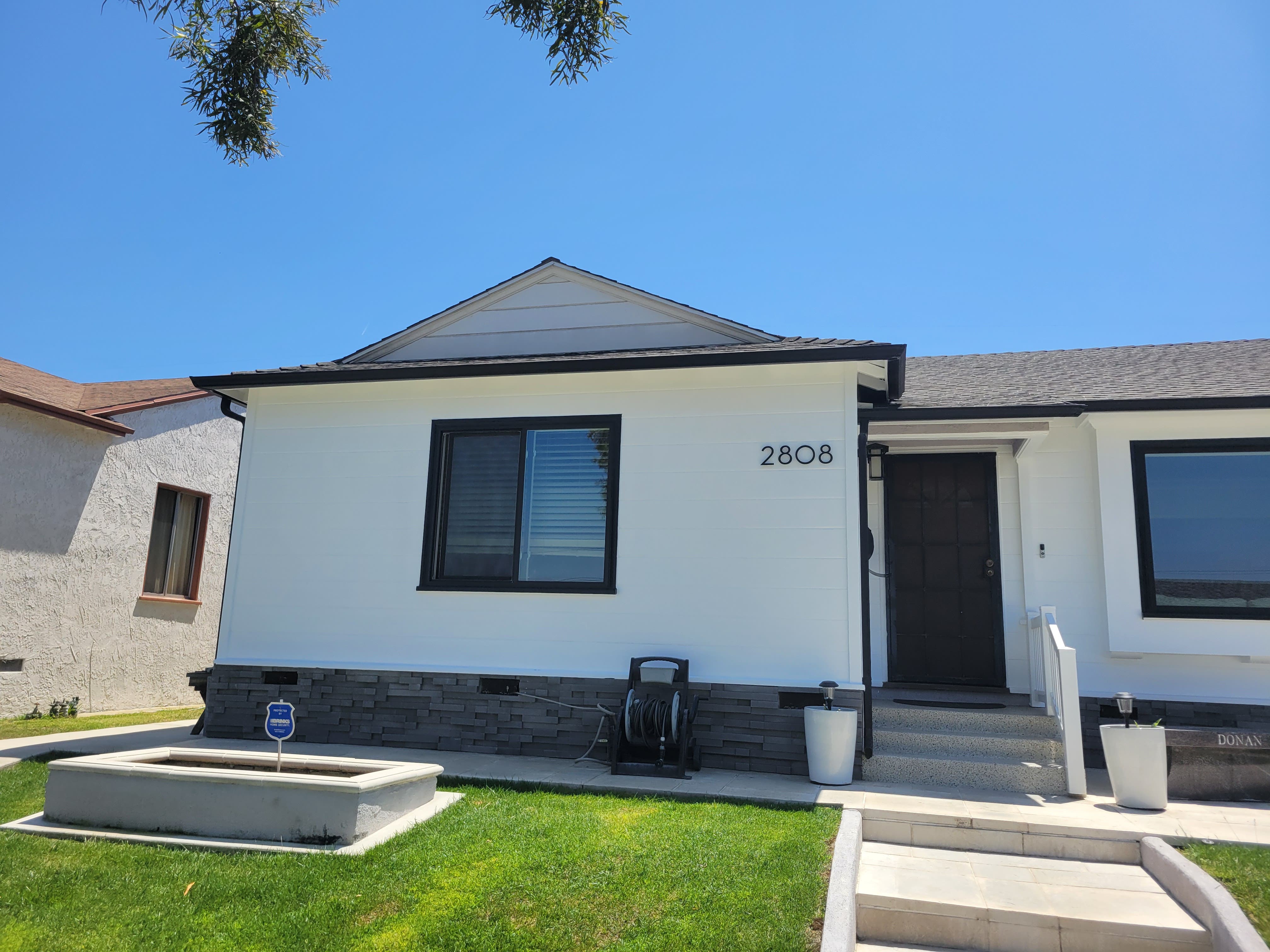
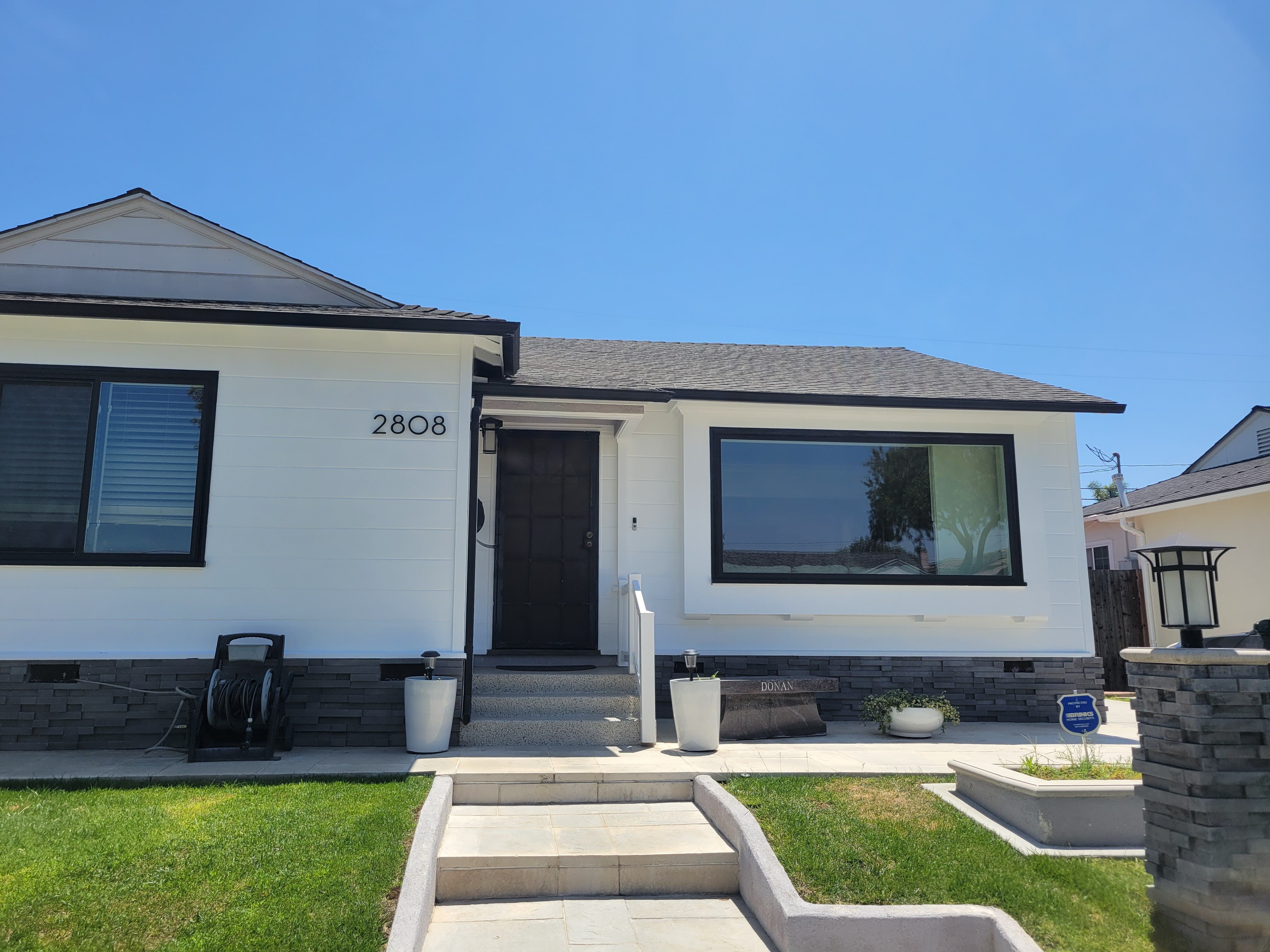
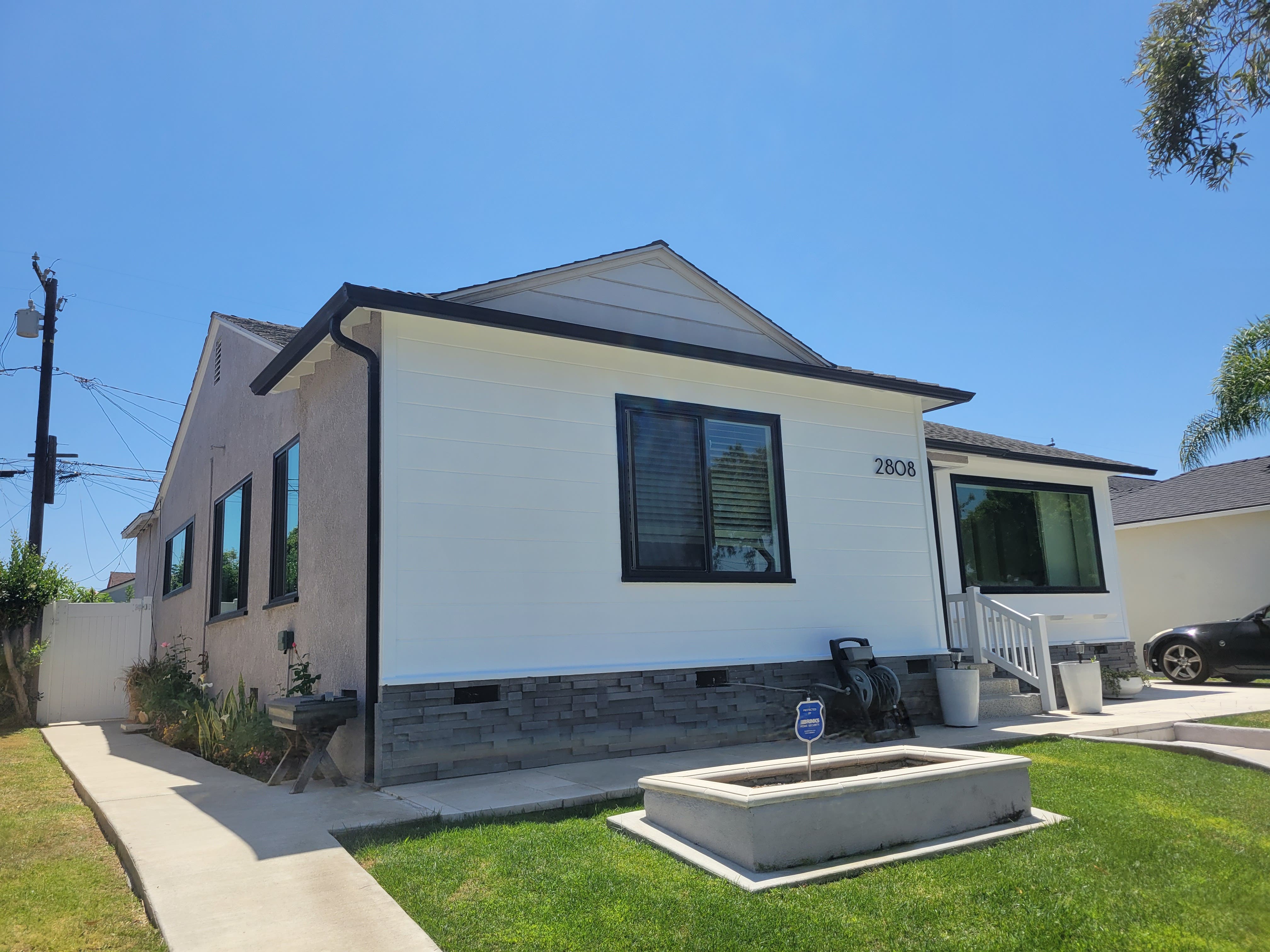
Recently my church brother Don had the front of his home repainted for looks and to cut down on his electricity bill. I was curious about this so I spoke at length to the painter, Michael Holaday. Below is the an in depth overview of what Holaday told me during our interview.
With the So
uthern California summer right around the corner, homeowners throughout Long Beach and Lakewood are bracing for climbing temperatures and the inevitable spike in electric bills. We all look for ways to keep our homes cool—cracking down on insulation, servicing the A/C, or installing mini-splits. But one of the most effective defensive lines against radiant heat is actually your home's exterior paint.
Find out what's happening in Long Beachfor free with the latest updates from Patch.
I recently wrapped up an exterior repaint for Greater Long Beach area homeowner, Don, who wanted to specifically address how much thermal energy his sun-facing walls soak up during the day. Our goal was to track down a specialized, industrial-grade product called Lifetime Plus "Ultra Life" Heat Reflective Wall Coating (tinted to a classic shade named "Felicity").
However, sourcing these high-end commercial coatings locally can be a massive headache for the everyday homeowner. Even though the manufacturer is right up the road in Santa Fe Springs, they operate on a strict closed-distribution model, meaning they sell exclusively to certified installation contractors. To make matters trickier, the few commercial suppliers around our area are frequently out of stock, or their contractor will-call desks close up shop at 3:00 PM sharp.
Find out what's happening in Long Beachfor free with the latest updates from Patch.
Neither Don nor I wanted to delay our scheduled start date for this painting job. But if we had been willing to wait we could have got a true one-to-one technological match with the ceramic heat-reflective properties. We could have done this by going online and ordering a specialized product online, such as Cool Coat White Thermal Barrier Heat Reflective Insulating Wall Paint | Elastomeric | Cools Surface White 5 Gallon Low Gloss Acrylic, which costs $367 for 5 gallons.
Because we wanted to keep the project moving that same afternoon, we pivoted to retail alternatives at our local big-box stores. But making that pivot requires a deep understanding of standard paint vs. high-performance coatings. To help my neighbors navigate their own summer prep, I want to pull back the curtain on how this technology actually works and how to choose the right materials.
The Science of "Elastomeric" Paint: What Is It?
When you go to a standard retail store like Home Depot or Lowe's, you will see regular exterior acrylic paint, and then you will see a premium category labeled Elastomeric Paint (such as Behr Premium Elastomeric Masonry, Stucco & Brick Paint, which runs about $195 for a 5-gallon bucket).
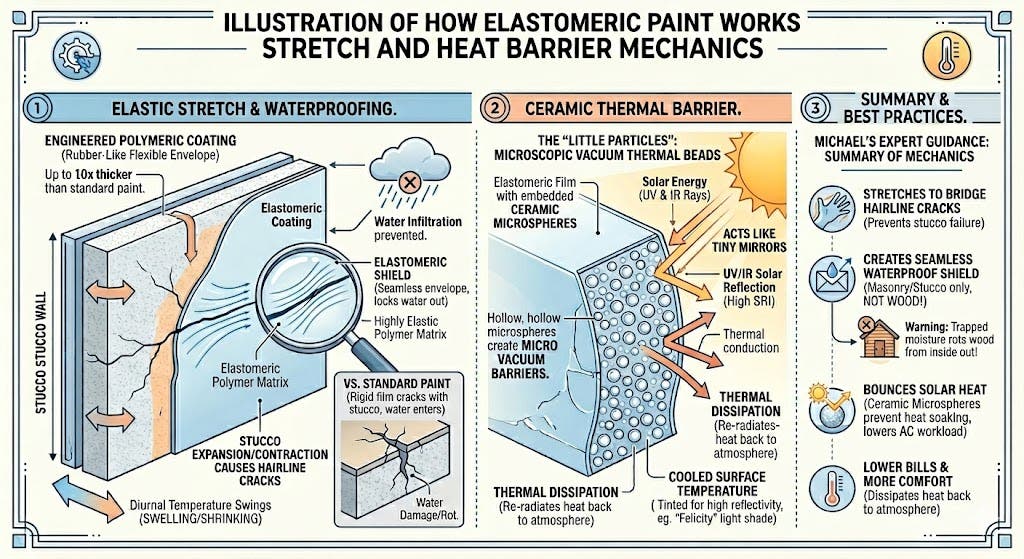
Standard exterior paint goes on relatively thin and dries into a rigid film. Elastomeric paint, however, is a completely different animal. It is an exceptionally thick, heavy-duty polymeric coating. When applied properly, it dries into a flexible, rubber-like waterproof envelope that is up to ten times thicker than traditional paint.
The word "elastomeric" comes from its high elasticity. In a climate like Southern California, houses expand and contract constantly due to diurnal temperature swings (hot days, cool coastal nights). For stucco and masonry homes, this movement causes tiny hairline cracks to open up. Elastomeric paint is engineered to stretch and contract right along with the building, bridging those cracks and sealing them so water can't get in, while providing a dense physical shield against the elements.
The Science of "Elastomeric" Paint: What Is It?
When you go to a standard retail store like Home Depot or Lowe's, you will see regular exterior acrylic paint, and then you will see a premium category labeled Elastomeric Paint (such as Behr Premium Elastomeric Masonry, Stucco & Brick Paint, which runs about $195 for a 5-gallon bucket).
Standard exterior paint goes on relatively thin and dries into a rigid film. Elastomeric paint, however, is a completely different animal. It is an exceptionally thick, heavy-duty polymeric coating. When applied properly, it dries into a flexible, rubber-like waterproof envelope that is up to ten times thicker than traditional paint.
The word "elastomeric" comes from its high elasticity. In a climate like Southern California, houses expand and contract constantly due to diurnal temperature swings (hot days, cool coastal nights). For stucco and masonry homes, this movement causes tiny hairline cracks to open up. Elastomeric paint is engineered to stretch and contract right along with the building, bridging those cracks and sealing them so water can't get in, while providing a dense physical shield against the elements.
The "Little Particles": Understanding Ceramic Thermal Barriers
What makes commercial products like Lifetime Plus or Cool Coat so unique—and why they command premium prices—comes down to the "little particles" mixed into the formula. These are microscopic, hollow ceramic microspheres (sometimes referred to as ceramic spheres or thermal beads).
To understand how they work, imagine millions of microscopic, hollow glass thermos bottles embedded inside the paint film. Traditional paint pigments absorb solar radiation and conduct that heat directly into your stucco or wood framing, warming up the interior of your home.
Ceramic microspheres completely change the physics of your wall:
- Solar Reflection: They possess an incredibly high Solar Reflectance Index (SRI), acting like tiny mirrors that bounce away dangerous ultraviolet (UV) and infrared (IR) light waves before they can penetrate the coating.
- Thermal Dissipation: Because the spheres are hollow, they create a microscopic vacuum barrier that actively resists the conduction of heat. Instead of the sun's energy "soaking" into your walls, the heat is dissipated back into the atmosphere. This drastically lowers the surface temperature of your exterior walls, reducing the workload on your air conditioning unit and cutting down your energy bill.
A Critical Warning: Stucco vs. Wood Siding
If you are planning a DIY project or hiring a crew to coat your home this summer, you must understand where these products can and cannot be used.
- The Roof Paint Trap: Walking down the aisles of a home improvement center, you’ll see highly reflective white roof coatings like Henry 587 White Roof Coating for about $45 a gallon ($190 for a 5-gallon bucket) boasting incredible heat-reflective numbers. Never use roof coating on your vertical house walls. Roof coatings are chemically formulated for flat or low-slope horizontal surfaces. They lack the vertical adhesion properties required for walls; if you put it on your siding, it will sag, run, fail to cure, and turn into a peeling nightmare that costs thousands of dollars to scrape off later.
- The Wood House Warning: While elastomeric paint is an absolute miracle worker for rigid masonry, brick, and stucco, keep elastomeric coatings far away from a wood house. Wood is an organic, porous material that naturally breathes, taking on and releasing moisture from the air. Because elastomeric paint creates a completely seamless, rubberized, waterproof glove, it locks moisture in. If moisture gets behind that rubbery barrier on a wood house, it cannot escape. The trapped moisture will quickly cause the wood siding to rot from the inside out, and the paint will eventually peel off in massive, ruined sheets.
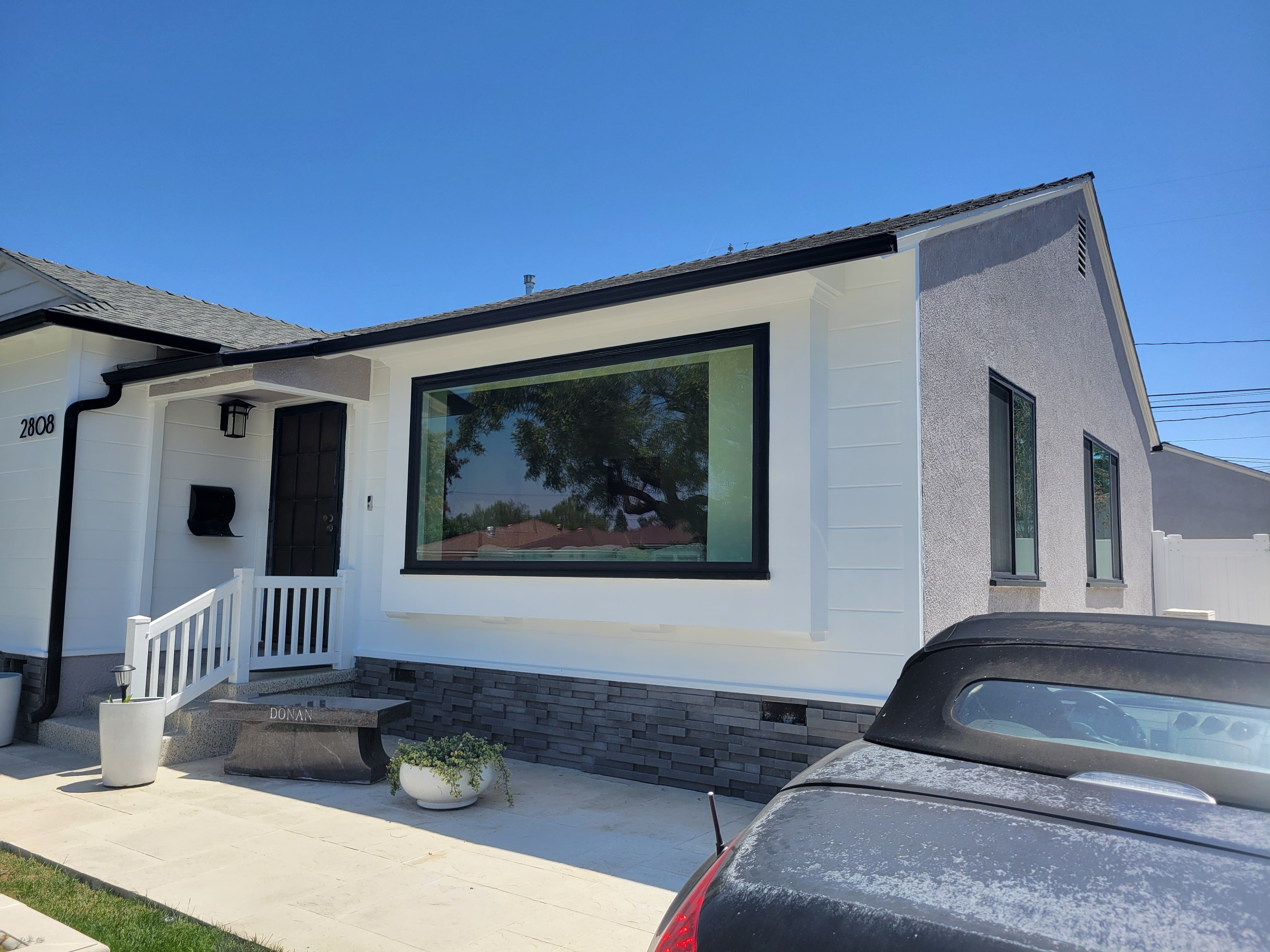
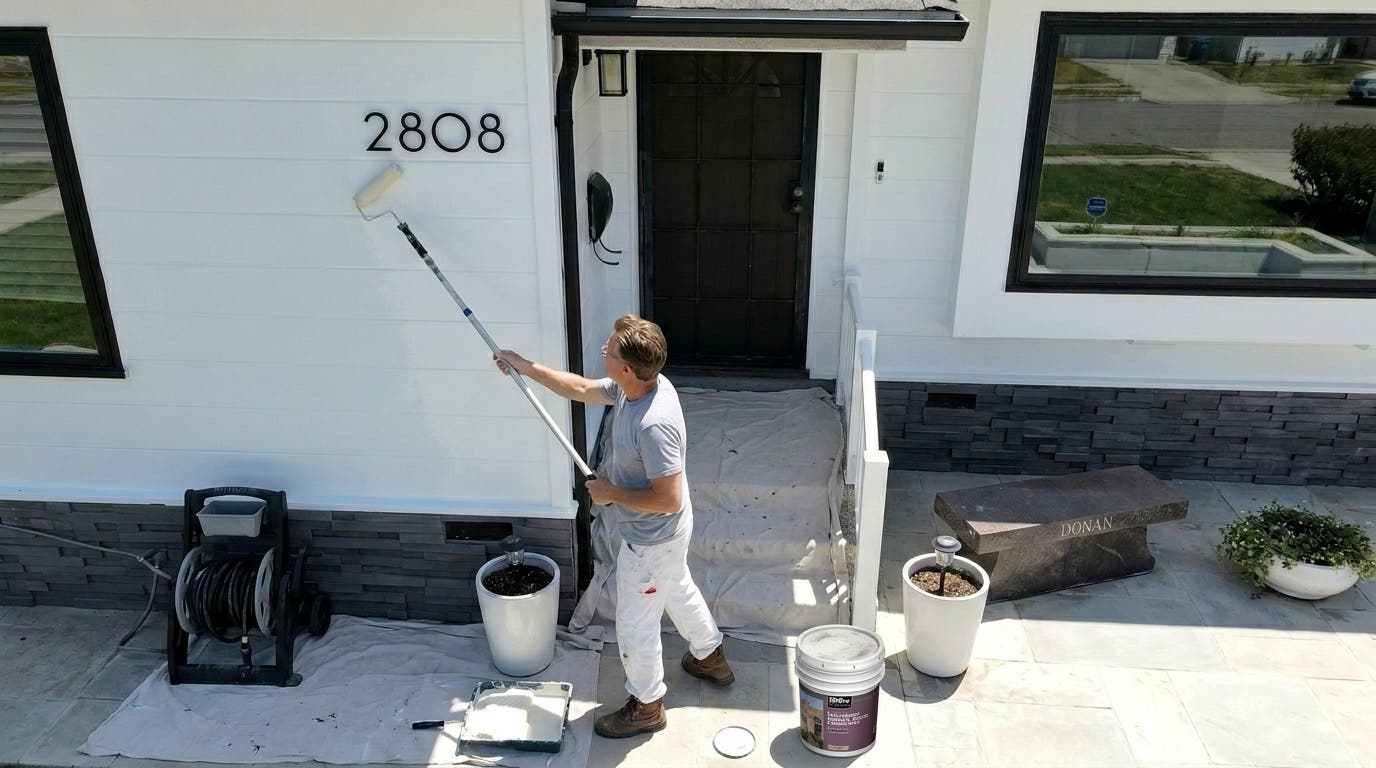
For Don’s house, we used a smart hybrid approach: heavy elastomeric paint to seal and protect the main stucco structures, and a premium 100% acrylic exterior latex (like Behr Marquee, which runs around $70 a gallon) for the wood trim and accent siding. Acrylic latex allows the wood to expand, contract, and breathe naturally without trapping moisture.
Michael's Pro-Tip on Sourcing and Color Matching
If you are trying to match an existing exterior color or replicate an old bucket of paint you found in the garage, do not make the mistake of using a smartphone photo to show the paint counter. Screen calibrations and changing shadows will completely throw off the color, leading to a mismatched coat that looks terrible under direct sunlight. I went ahead and invested $169 in a Nix Mini 3 Color Sensor that uses blue tooth to communicate with a dedicated Nix app on my phone. This little device can be set against a wall, a paint sample flake, or even a piece of fabric (like curtains). It can numerically calibrate the exact hue of the sample and then provide the closest matching paints in a number of the most popular brands.
If you don't have your own handheld Nix Mini device like me, take that physical sample to the paint counter and ask for a spectrophotometer scan. The scan will do exactly what the Nix Mini does. Whichever path you choose, always buy a single 1-quart sample can first, paint a small test patch, and let it dry completely to verify the match before investing in multiple 5-gallon buckets.
Don't gamble with your home's exterior protection. Investing a little time into understanding the materials, the physics of thermal reflection, and the material limits of your siding will guarantee a beautiful, long-lasting finish that keeps your home cool all summer long.
If you are gearing up for a summer exterior project, need a hand calculating material coverage for a two-coat layout, or want an experienced tradesman to take the labor off your shoulders, feel free to reach out directly to Michael Holaday.