Neighbor News
From a Hot Rod Magazine to Hot Wheels: Larry Wood Shares a Lifetime of Car Design With The C300
Legendary Hot Wheels designer brings five decades of stories, creativity and car culture to The Committee of 300 Forum Speakers Series
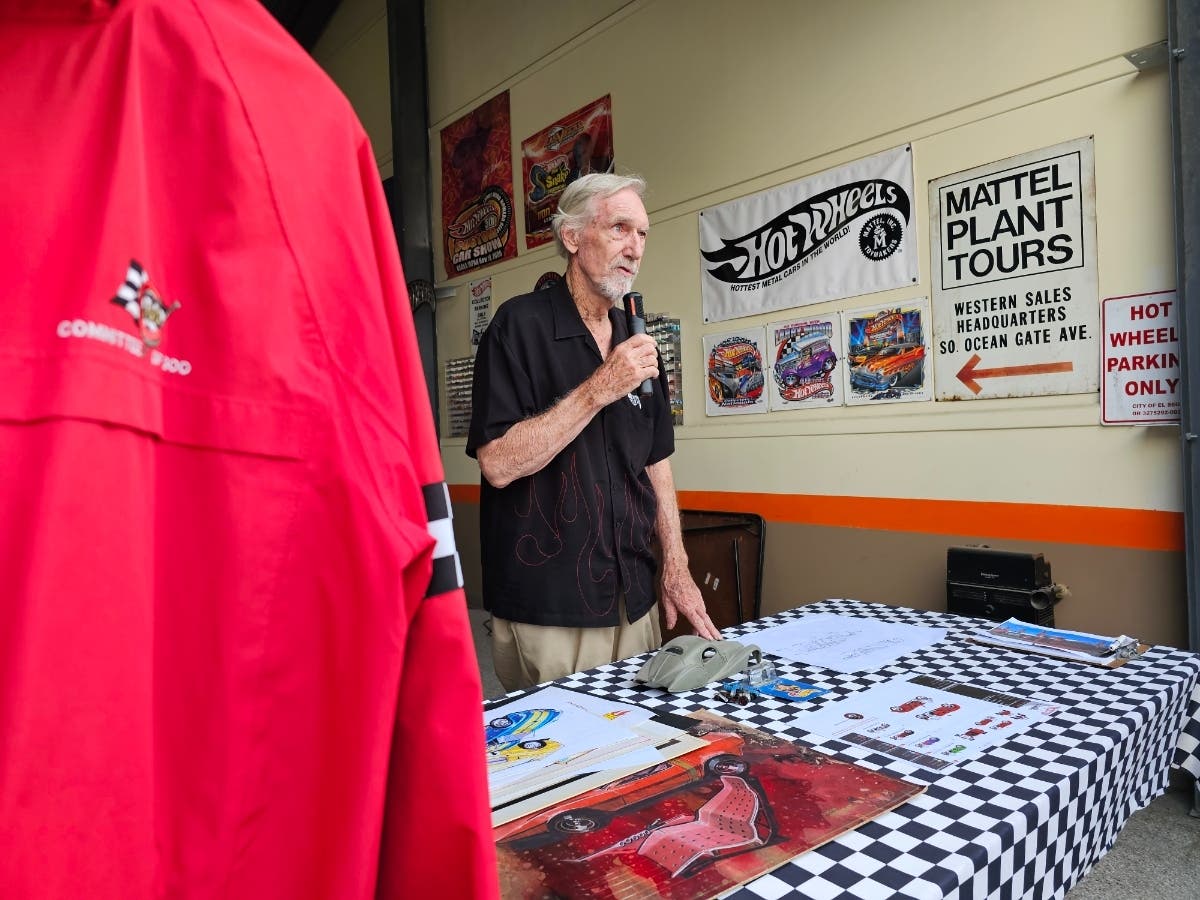


Long before Larry Wood became a legendary Hot Wheels designer, he was a teenager in a small Connecticut town with a pencil, a passion for cars and a copy of Hot Rod magazine.
"There wasn't a stoplight within 10 miles," Wood told members of The Committee of 300 (C300). "And I picked up a Hot Rod magazine when I was 15 years old, and that changed my life." That moment started a journey that eventually took Woods from Connecticut to California, Detroit, Ford, Lockheed and, ultimately, Mattel, where he spent approximately 50 years designing Hot Wheels.
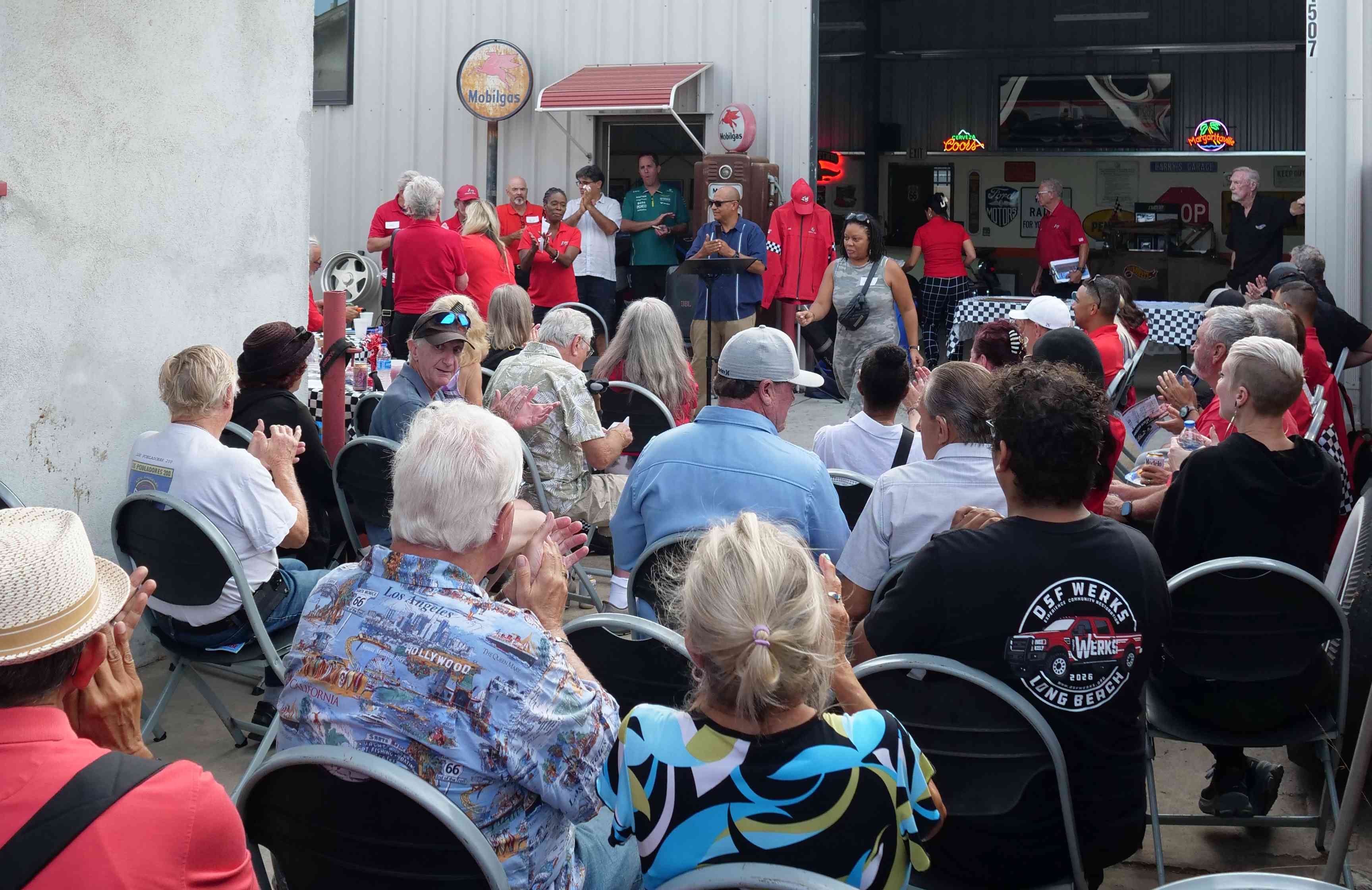
Wood recently shared that journey as the featured guest of The Committee of 300's monthly meeting to kick off its new C300 Forum Speakers Series, giving members and guests an entertaining and personal look at the people, ideas and creative process behind one of the world's most recognizable toy brands.
Find out what's happening in Long Beachfor free with the latest updates from Patch.
The evening also allowed the C300 to showcase its new speakers series initiative and ongoing effort to connect members and the community with influential figures from the automotive and racing world. Over 55 attendees, including members and guests, were present to hear Mr. Wood's story. This included current president Chris Gehman and the board of directors.
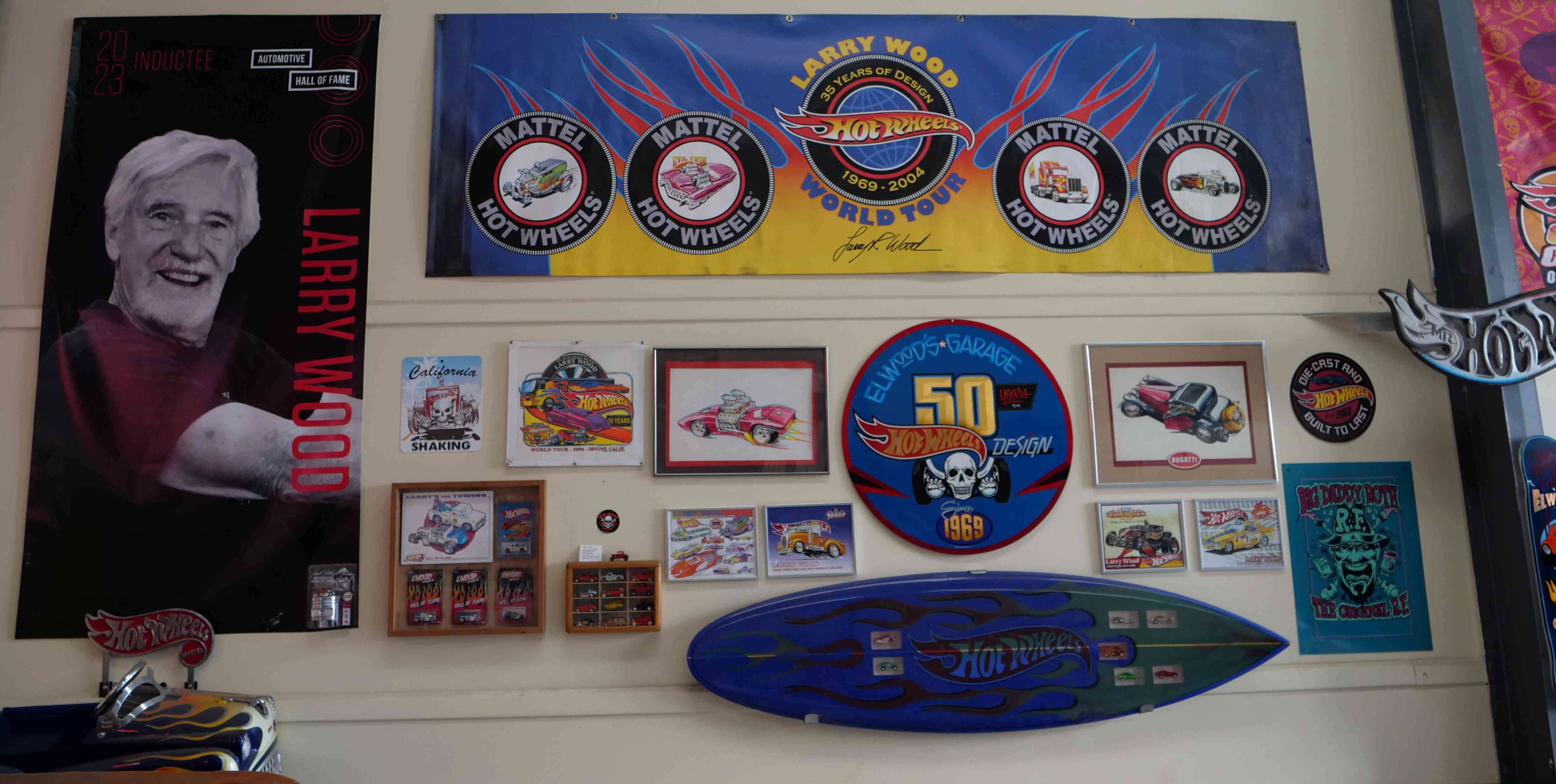
A Dream That Started With Cars: Wood said his interest in cars developed during his teenage years. He began building a hot rod and drawing cars. Eventually, he realized what he wanted to do with his life. "I finally figured out that my goal was to draw cars, live in California, cruise the beach," he said with a laugh.
Find out what's happening in Long Beachfor free with the latest updates from Patch.
For a teenager growing up in Connecticut, California seemed like a distant dream. After working several regular jobs, Woods returned home and told his mother he wanted to attend a California school that specialized in automotive design. His mother helped him put together a portfolio. He was accepted to ArtCenter College of Design in California.
Wood remembered flying into Los Angeles for the first time and seeing houses stretching as far as he could see. "If I had a choice, I would have gone home," he recalled. "But I said, 'I am here, I made it this far, so I might as well keep going.'" He stayed.
After graduating, he moved to Detroit and worked for Ford. But the cold eventually brought him back to California, where he worked at Lockheed designing airplanes. Then came an unexpected opportunity.
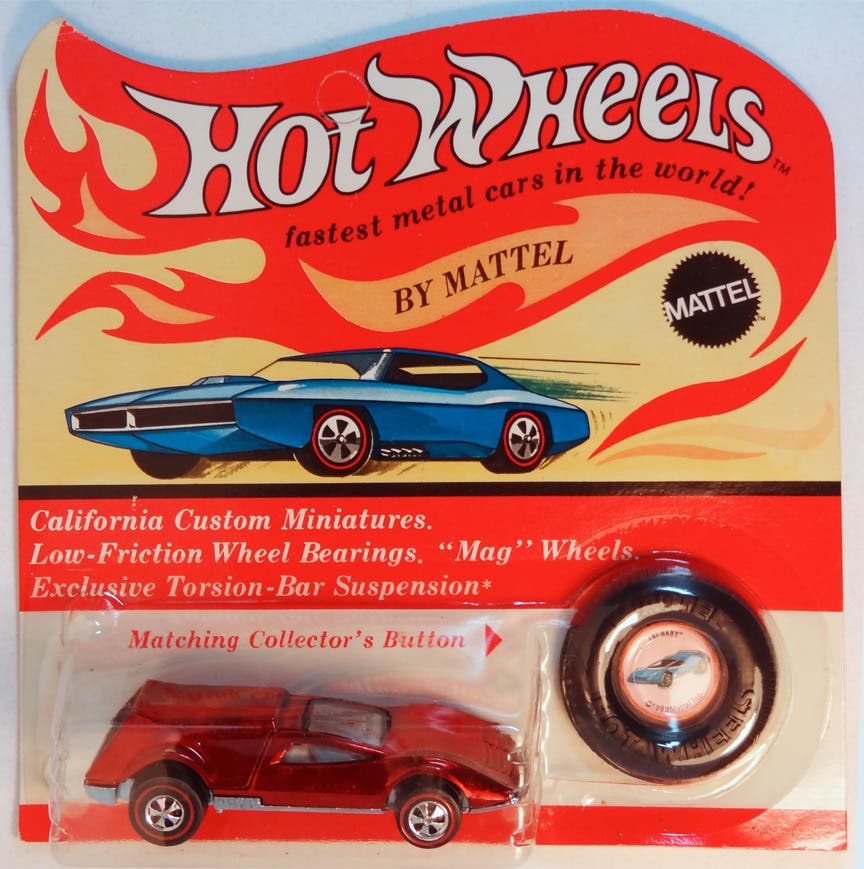
A Chance Encounter Leads to Mattel: At a party, Wood saw something that immediately caught his attention: Hot Wheels cars and tracks. A friend told him he worked for Mattel as a designer. Wood saw an opening. His friend wanted to move to another Mattel project, so Wood suggested someone who could take his place. That someone was himself.
In 1969, he interviewed with Mattel and got the job. At the time, the Hot Wheels design department was small. "I was actually there by myself for 20 years," Wood said.
Hot Wheels experienced its ups and downs, but the brand continued to survive. Eventually, something unexpected happened. Parents began buying the cars for themselves as well as their children. "After 20 years, the parents started buying Hot Wheels for themselves and the kids, and sales started to rise," Wood explained.
The toy was becoming a collector's item. He remained with Hot Wheels for 50 years.
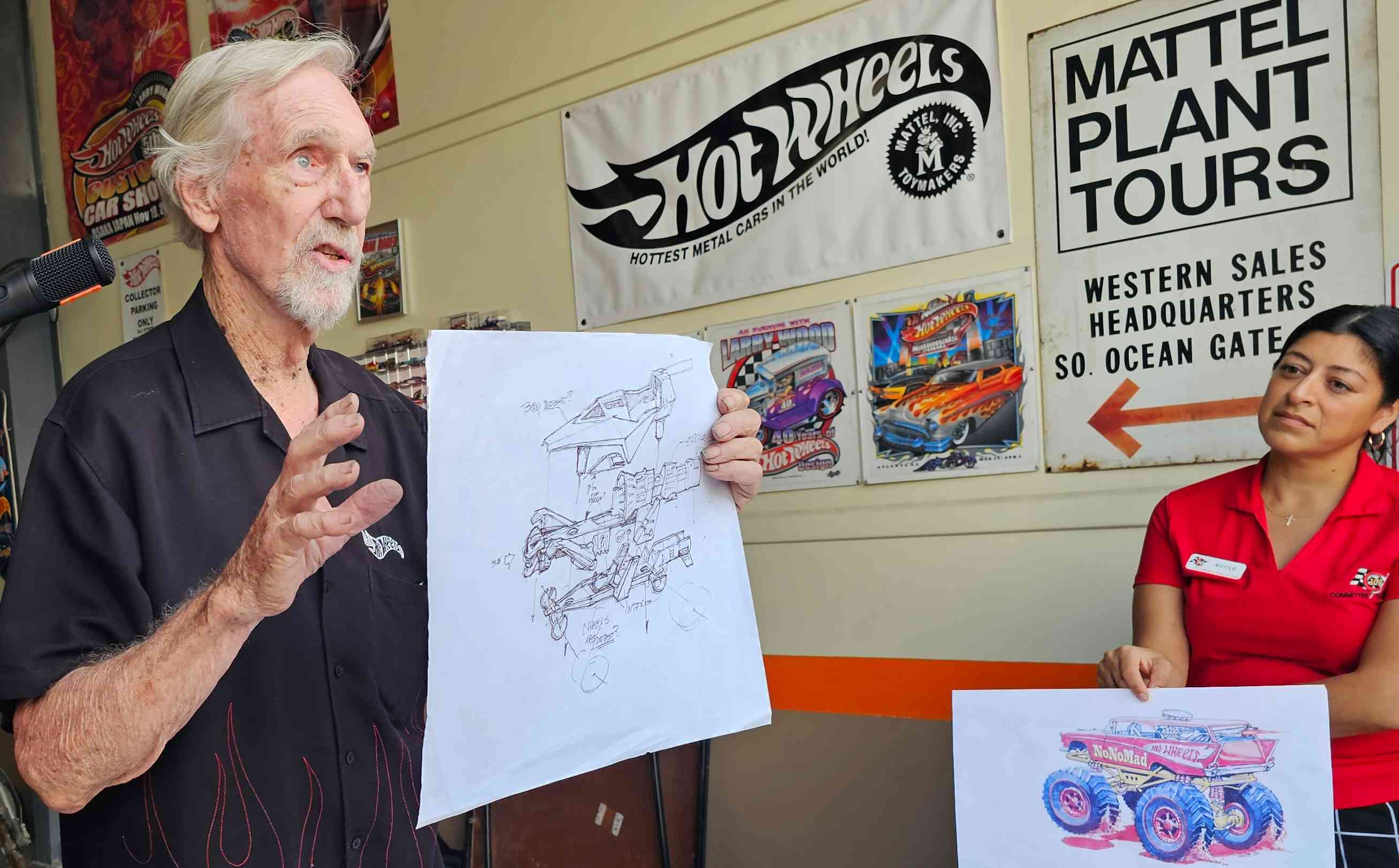
Designing Hot Wheels Before Computers: Wood gave the audience a behind-the-scenes look at how Hot Wheels were created before digital design changed the industry. Designers began with hand-drawn "B-sheets."
From there, the drawings became engineering plans. Physical models were then created, refined, and reduced before being prepared for production. The process involved several stages. "The model shop makes a pattern four times up," Wood explained. "They reduce this down four times, and that's what becomes the pattern to send to China."
Today's process is much faster. Computer-aided design allows designers to create detailed digital models. Digital files can then move directly into the manufacturing process.
But technology did not replace creativity. If anything, Wood said the appeal of Hot Wheels was the freedom to create almost anything. "You don't get stuck doing a 2-door sedan or a 4-door SUV or something," he said. "So you can do all sorts of stuff."
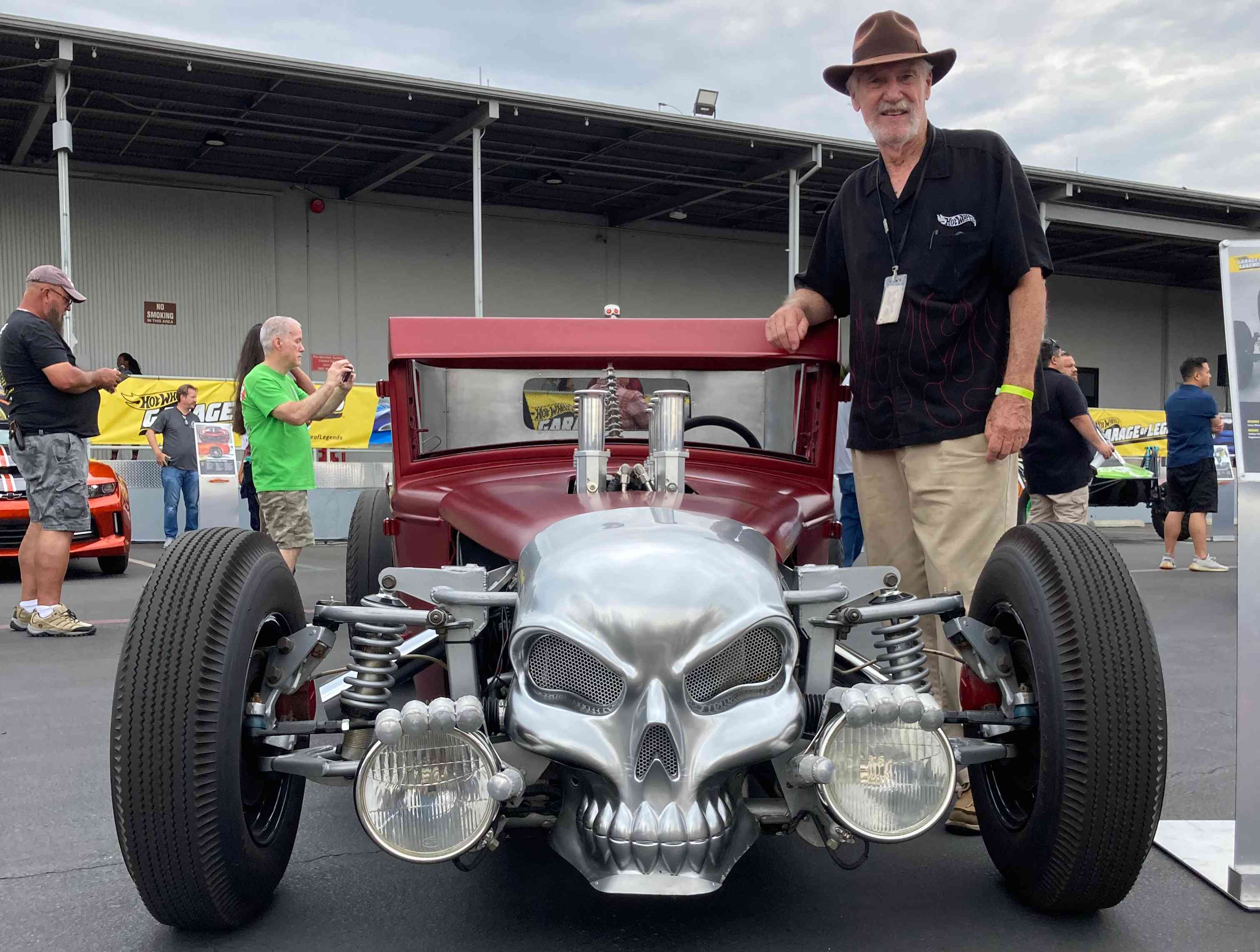
That freedom resulted in vehicles ranging from realistic automotive replicas to wild creations such as the Bone Shaker, which Woods designed with a skull on the front.
When a Joke Becomes a Collector's Item: Some of Wood's stories demonstrated just how unpredictable the world of Hot Wheels could be. While designing a tow truck, he decided to put his home telephone number on it. "I thought, why don't I put my home phone number on it?" Wood recalled.
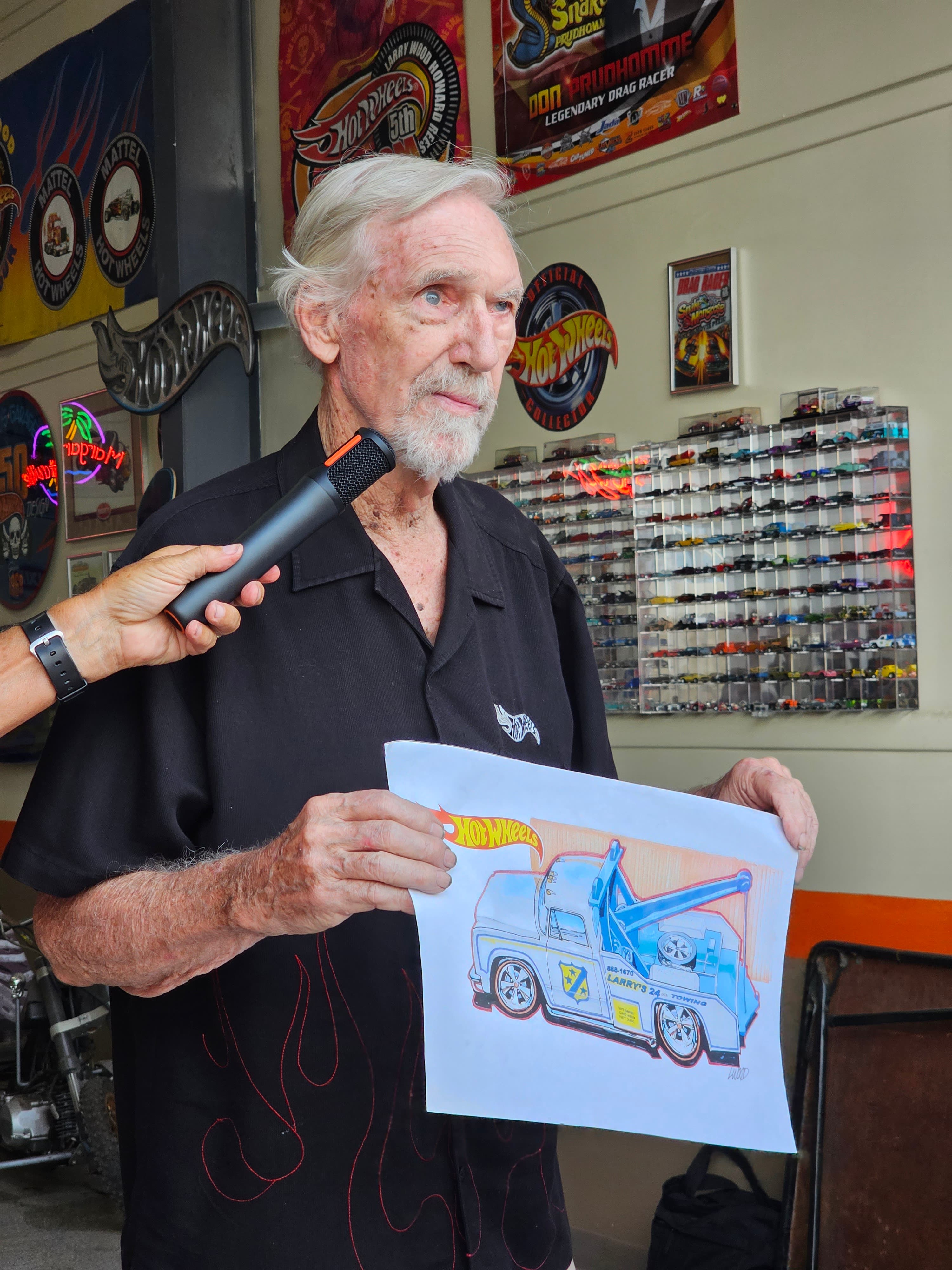
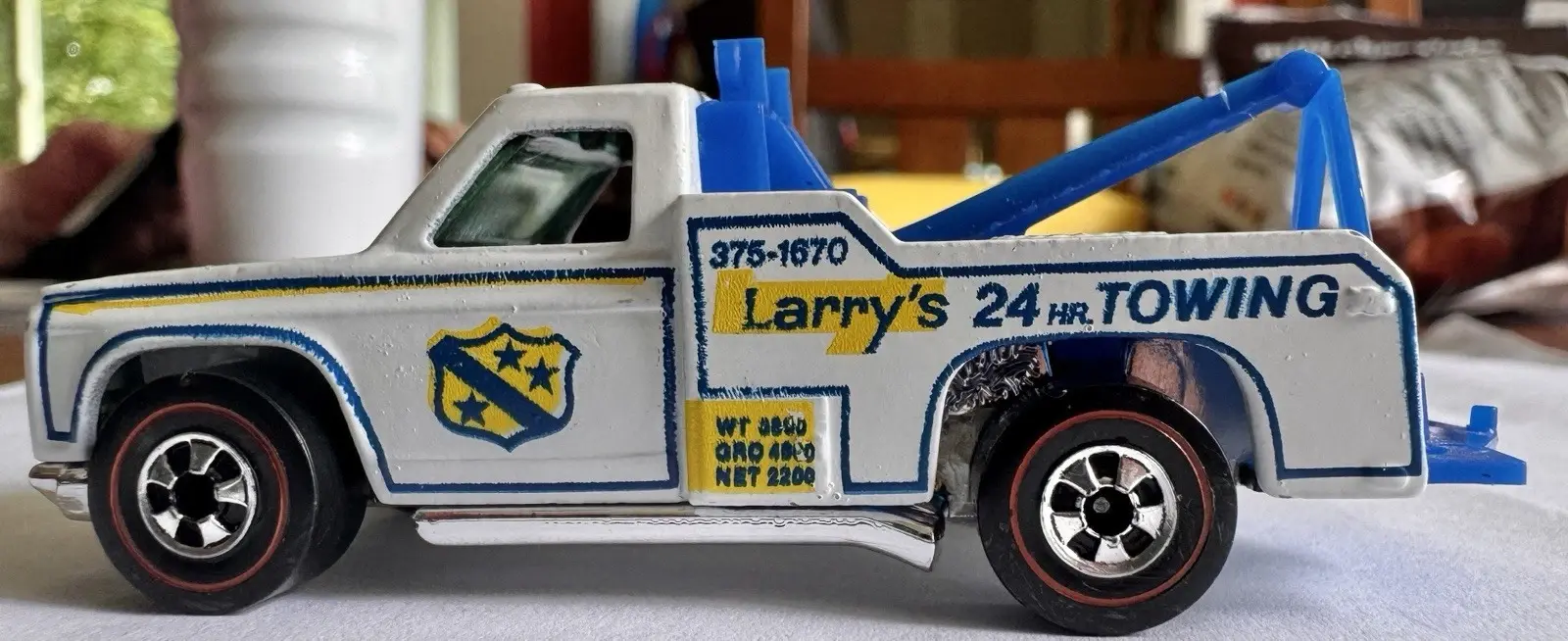
He created "Larry's Towing." There was only one problem. He forgot the area code. People across the country started calling his house.
One Christmas, Wood received a call from a young boy. He asked the boy whether his parents knew he was awake. The boy said no. "I said, 'You know, put the phone down, go back to bed,'" Wood recalled.
The calls continued for about six months before Mattel asked Wood to remove the number. Today, the tow truck is a collector's item.
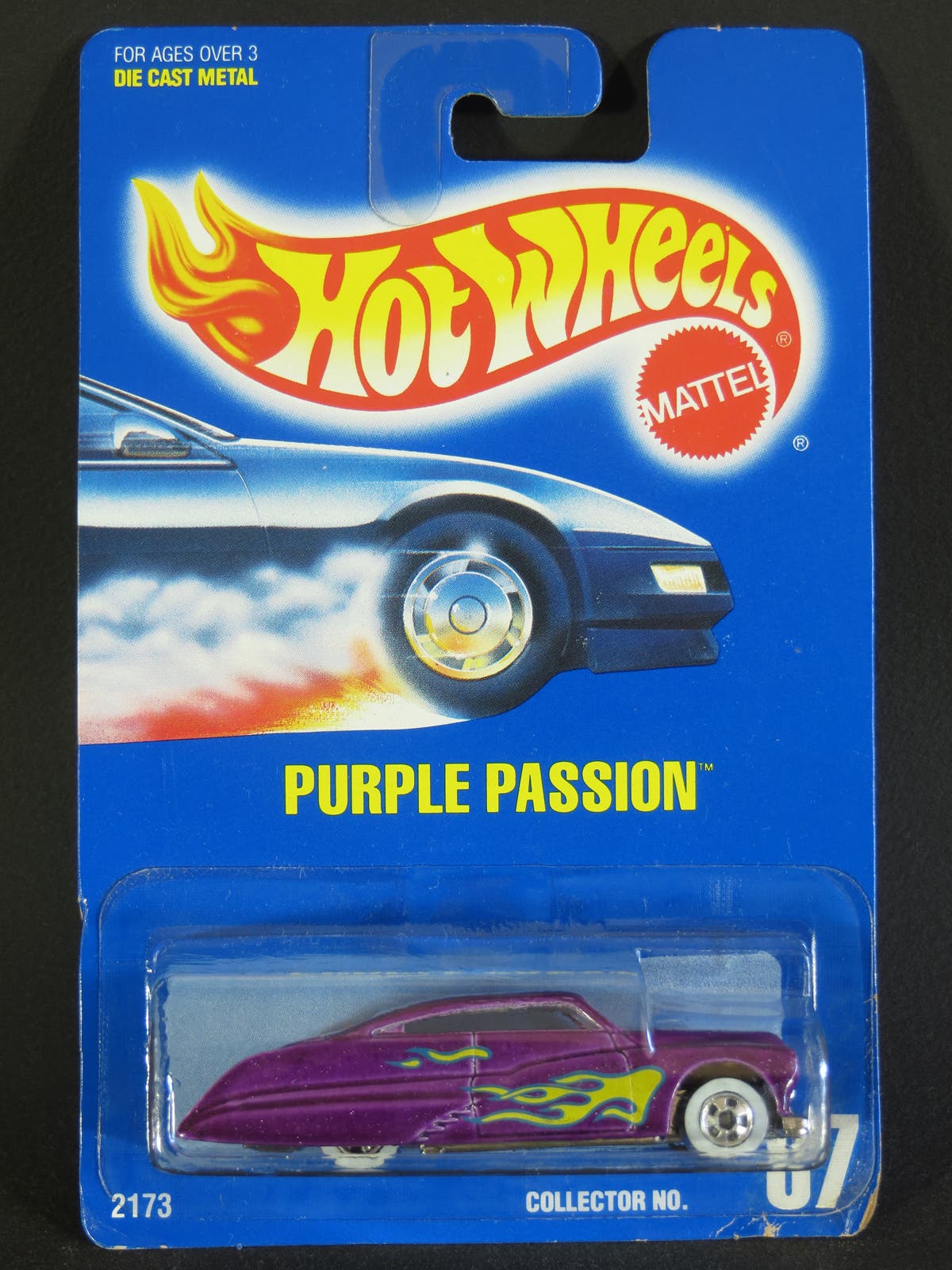
Purple Passion and the Rise of the Collector: One of Wood's most significant contributions came when he recognized the potential of the Hot Wheels collector market.
During the mid-1970s, there was discussion about collectors, but the idea had not yet gained full support within the company. Wood decided to test the market. He created Purple Passion, a Hot Wheels version of a 1949 Mercury.
The design broke an established Hot Wheels rule. Instead of keeping the rear wheels outside the body, Wood hid them inside. His reasoning was simple. "If this sells, this proves that there's collectors out there," he said. It sold "like crazy."
The success helped launch the collector line, which became an important part of Hot Wheels culture. Wood eventually oversaw the collector line during the final five years of his career at Mattel.
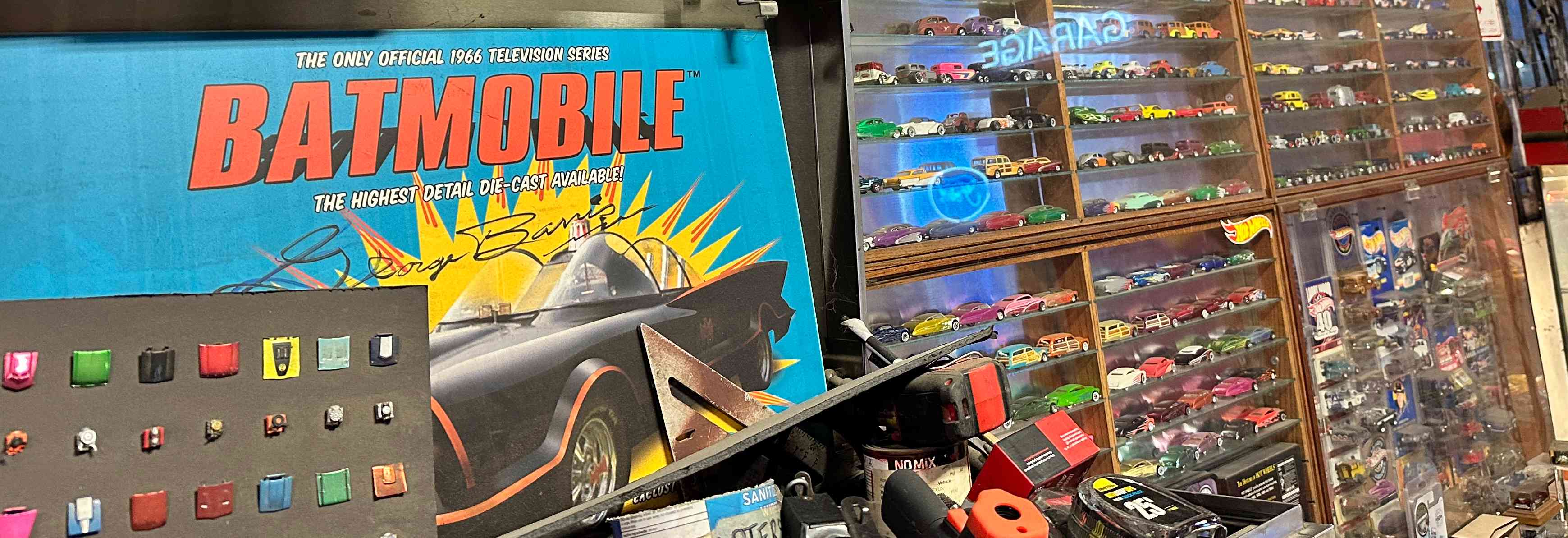
"I Got to Meet All My Heroes": Wood's career also gave him opportunities to work with and meet people he had admired during his youth. "I got to meet all my heroes," he told the audience.
One of his memorable assignments was the Batmobile. Woods explained that the actual vehicle had to be driven to a location where it could be scanned for the Hot Wheels model. "So I got to cruise around with a Batmobile," he said. For someone whose career began by drawing cars as a teenager, it was a remarkable full-circle experience.
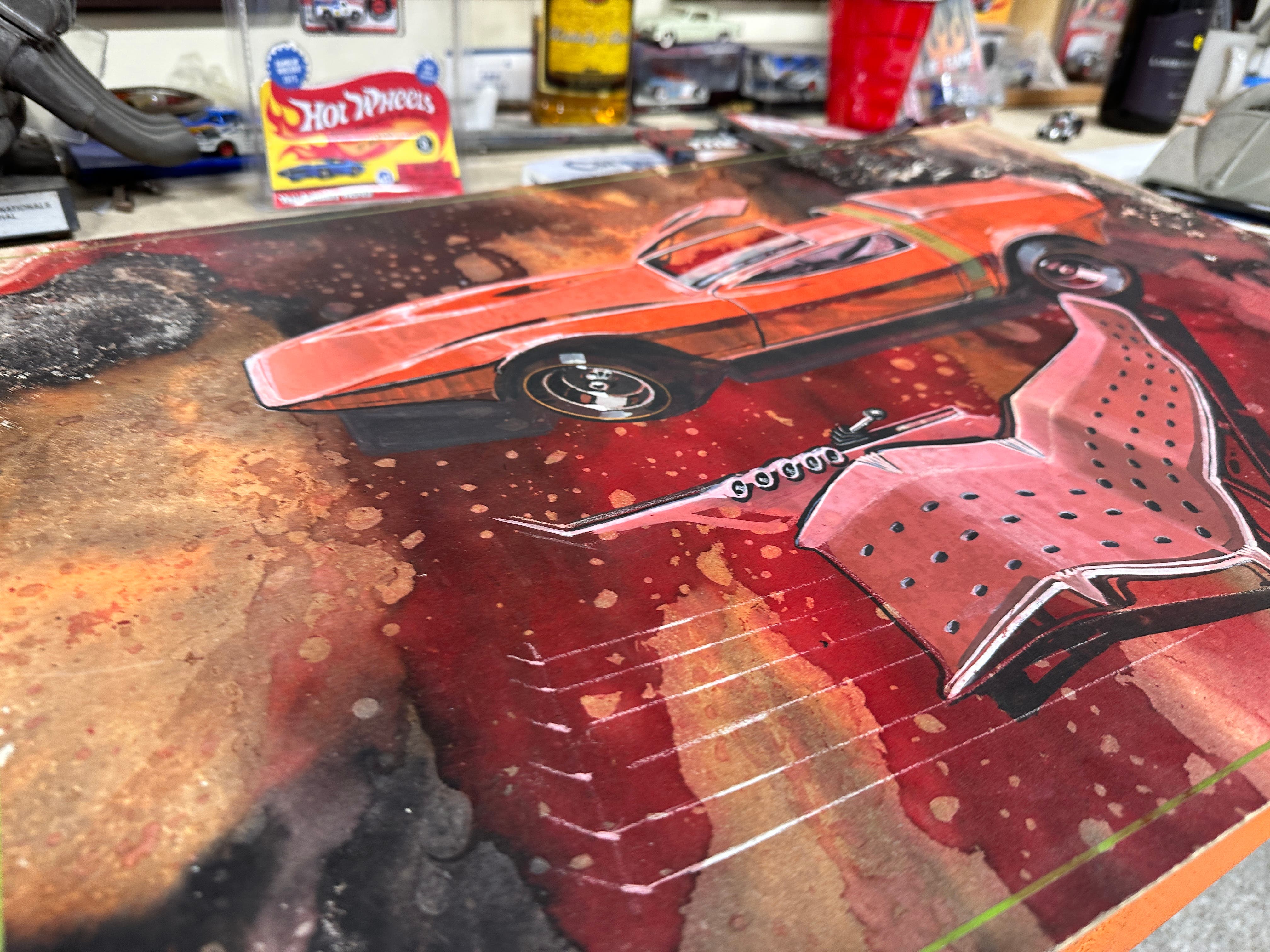
Inspiration Came From Everyday Life: During the question-and-answer session, an audience member asked Wood where his design inspiration came from. His answer was surprisingly simple.
As a teenager, he looked at automotive magazines and began drawing the cars owned by his friends. "I'd start drawing all my buddies' cars," he said. Those drawings eventually became part of the portfolio that helped him gain admission to ArtCenter.
Wood also talked about the importance of preserving creative work. His mother had kept his original portfolio, but the work was eventually lost when his brother's divorce resulted in the family home being sold. "It was really a pity to lose all that," Wood said. Today, he keeps his collection and memorabilia for his children.
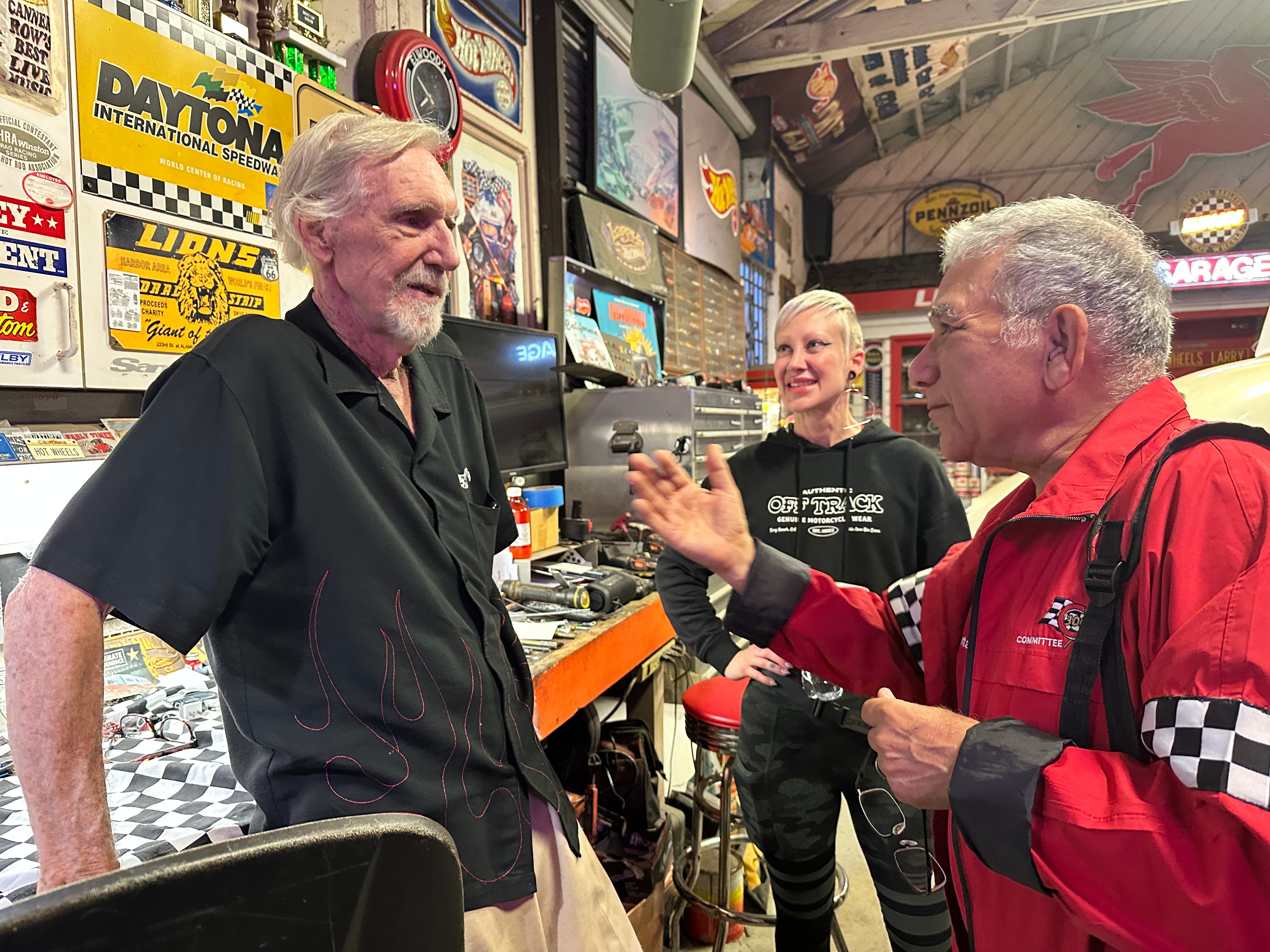
A Career Built on Passion and Opportunity: When asked what advice he would give someone interested in becoming a designer, Wood reflected on his own unconventional path.
He originally believed Detroit was the only place to pursue automotive design. California did not have the opportunities he wanted at the time. Yet a series of unexpected decisions eventually brought him to Mattel.
Looking back, Wood described his career with characteristic humility. "I've had a pretty damn good life," he said. When asked about the path that brought him there, his answer was even simpler: "Pure luck, the rest is history."
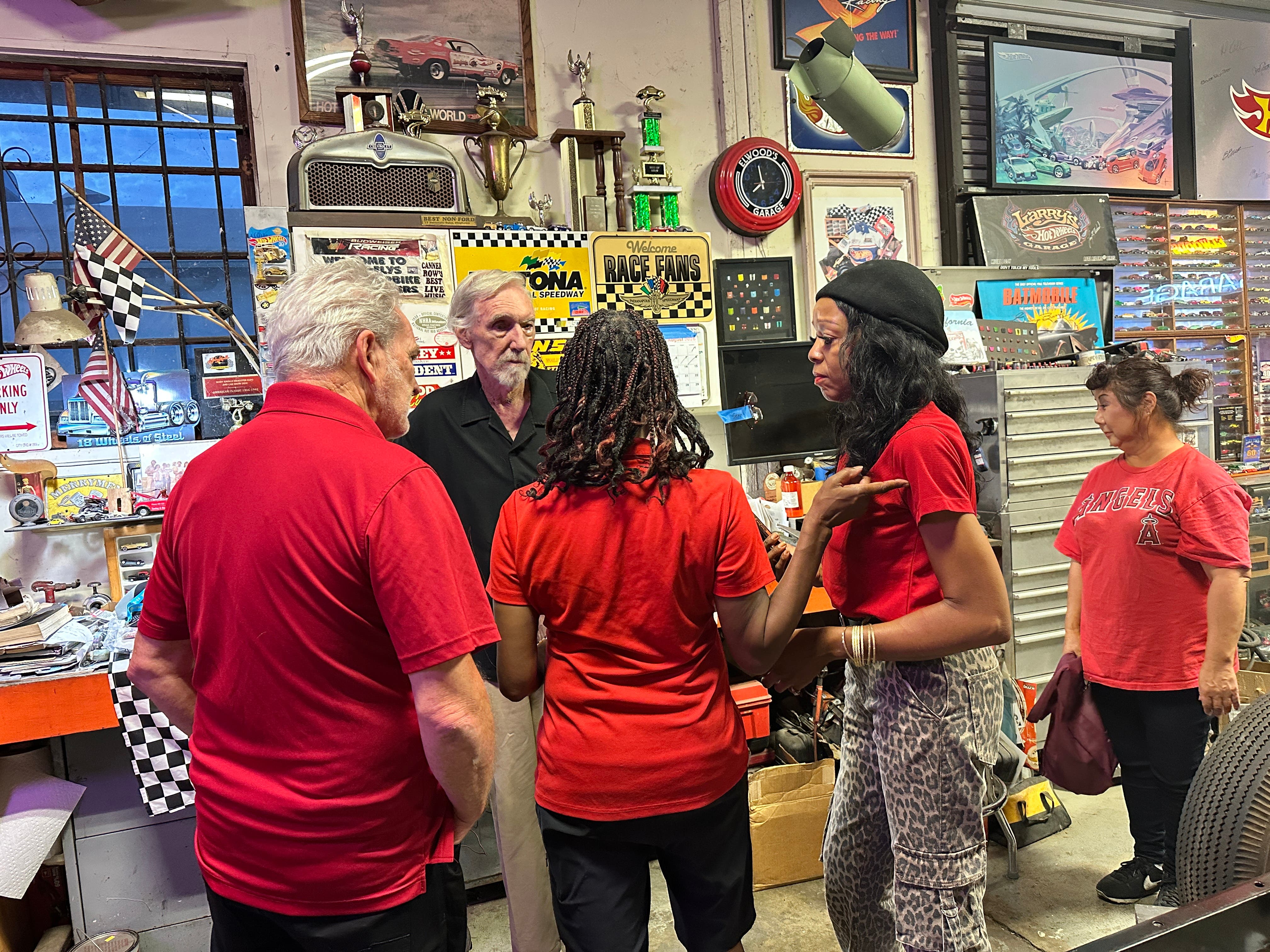
C300 Connects Members With Racing and Automotive History: While Larry Woods was the featured speaker, his appearance also reflected a larger goal of the Committee of 300. Through its new initiative The C300 Forum Speakers Series is designed to give members opportunities to hear directly from people who have helped shape the automotive, racing and creative communities.
For an organization with a long history connected to the Acura Grand Prix of Long Beach, bringing those voices to the membership helps keep that connection alive beyond race weekend.
The meeting also included regular C300 business, with an emphasis on membership growth, volunteer participation and upcoming community activities.
Members were encouraged to invite new people into the organization and participate in activities that support both the C300 and the wider community. Upcoming opportunities discussed included car shows, beach cleanups and Grand Prix activities.
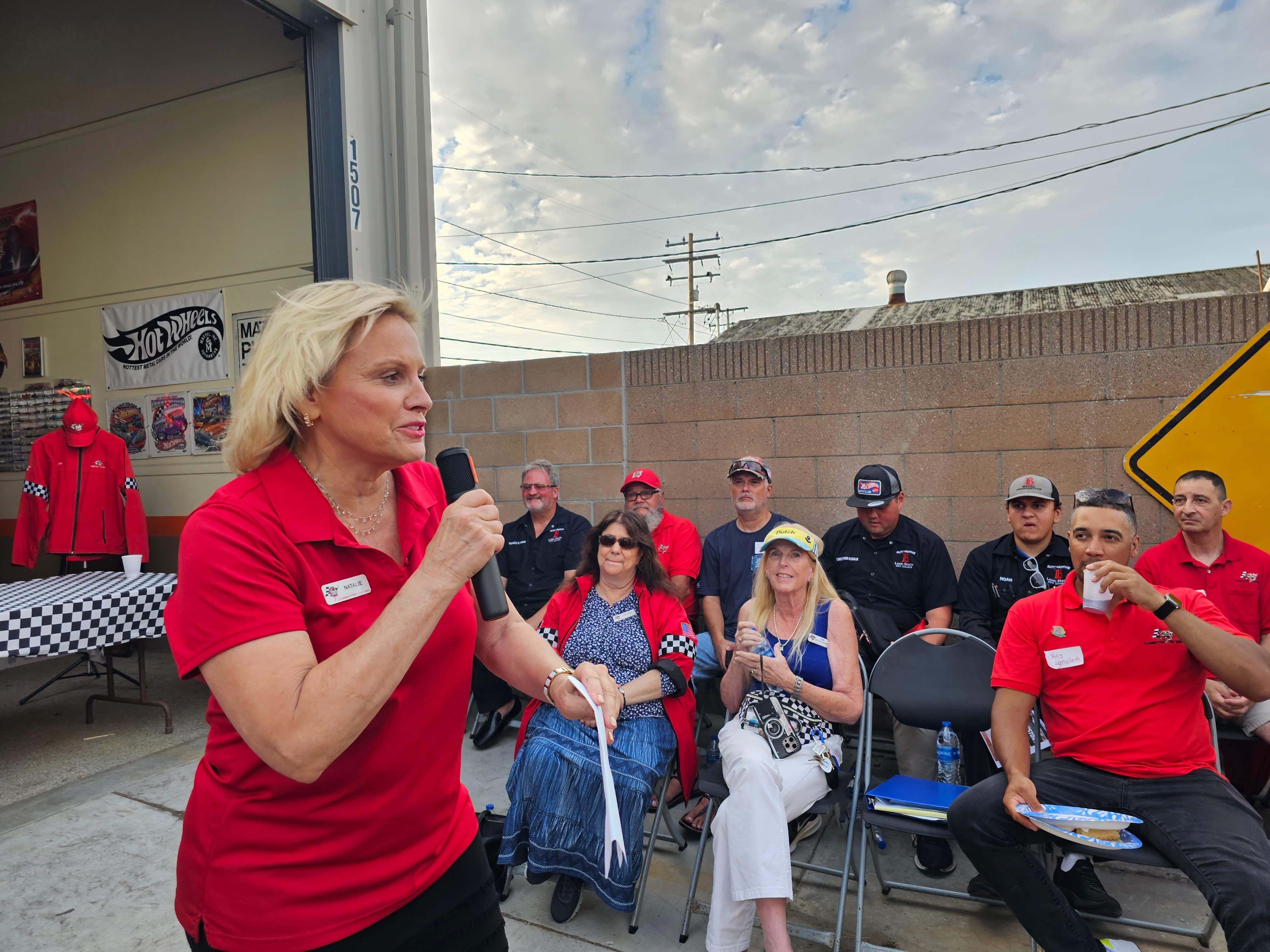
The organization is also pursuing a community service goal of 300 volunteer hours and the collection of 300 pairs of socks for charity before the Grand Prix. These efforts reflect an important part of the C300's mission: keeping people connected not only to racing, but also to the community surrounding it.
About The Committee of 300 (C300): The Committee of 300, a local non-profit established in 1975, is a longtime part of the Long Beach racing community and the community promotional arm of the Acura Grand Prix of Long Beach. Through membership, volunteer opportunities, community service and its new C300 Forum Speakers Series, the organization provides members with opportunities to connect with the people, history and culture surrounding motorsports in Long Beach.
Interested in becoming part of the C300 community? Attend an upcoming meeting, social activity or volunteer at an event or invite someone who shares your passion for racing and automobiles to learn more. Contact us at office@committeeof300.com or leave a message at (562) 981.9200. Visit our website, committeeof300.com for our next speaker or event and follow us on Instagram and Facebook.