Community Corner
2 Orphaned Bear Cubs Sent To San Diego County After Mother Euthanized
DNA testing linked their mother to two separate public safety incidents in the past year, officials said.


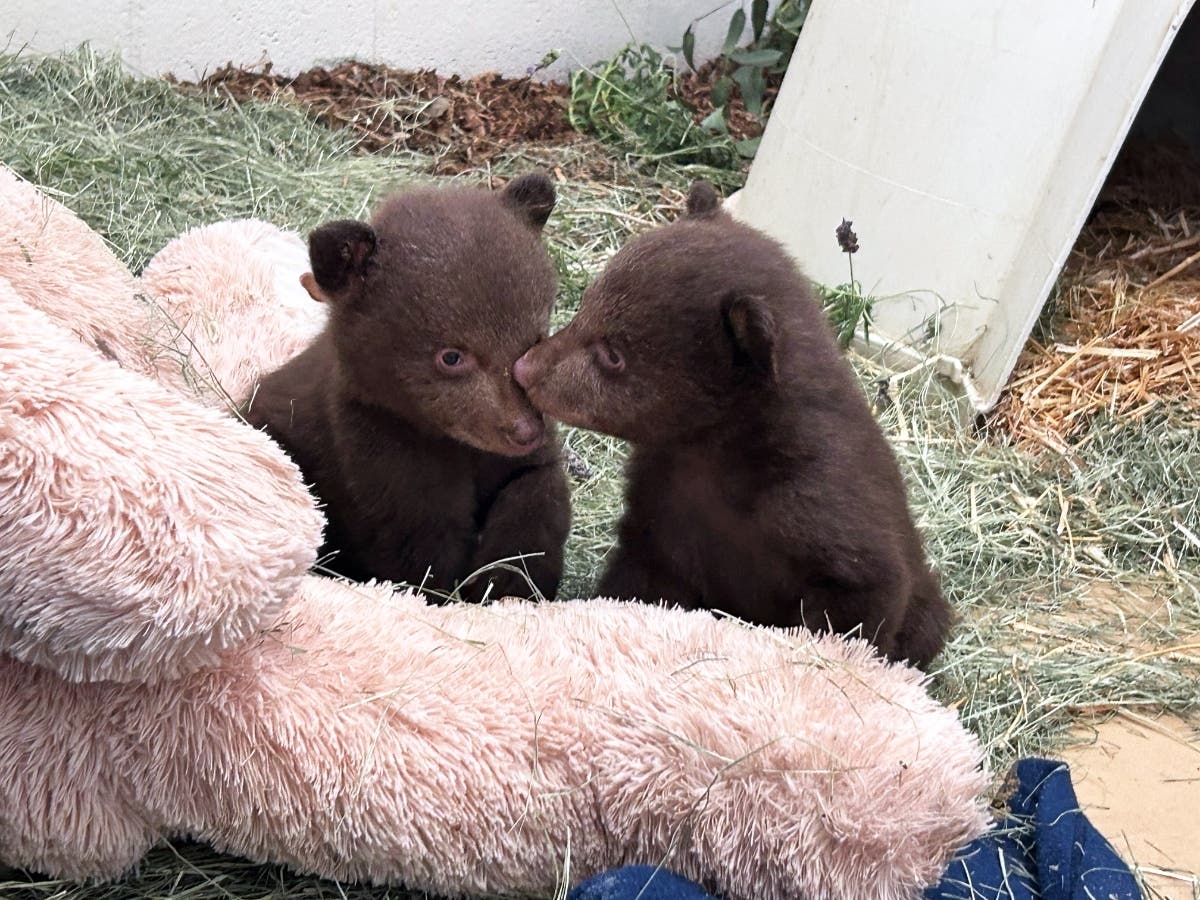

LOS ANGELES, CA — The San Diego Humane Society's Ramona Wildlife Center is caring for two orphaned black bear cubs from the Monrovia area after their mother was deemed a public threat and euthanized by state officials.
The brothers, estimated to be 2 to 3 months old, arrived March 15 at the Ramona facility. DNA testing linked their mother to two separate public safety incidents in the past year, prompting the decision, according to the California Department of Fish and Wildlife.
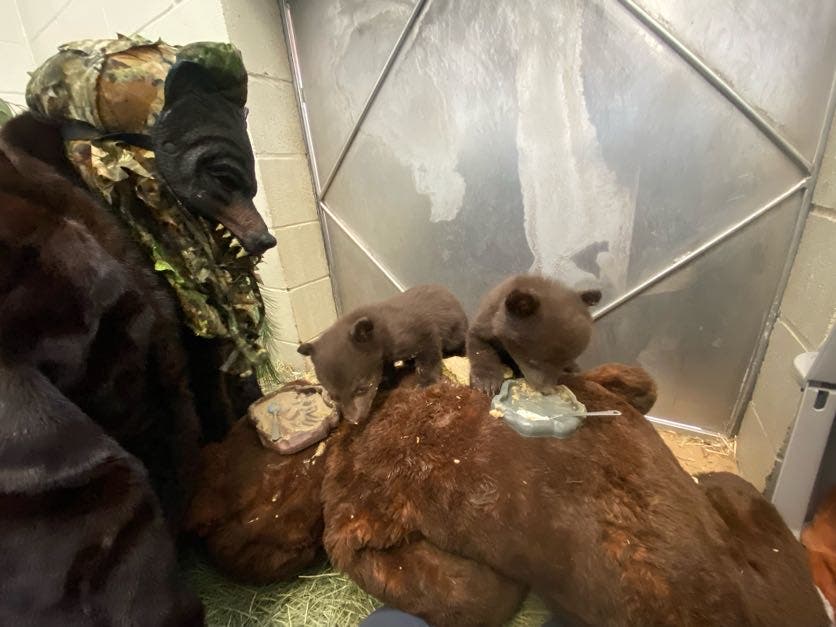
Wildlife staff will raise the cubs with minimal human interaction to help ensure they remain wild. To avoid habituation, staff use bear masks, animal furs and scents to conceal their human identity during care, according to the organization.
Find out what's happening in Los Angelesfor free with the latest updates from Patch.
"Raising bear cubs from this young age requires an extraordinary amount of time, expertise and resources," said Autumn Welch, wildlife operations manager at San Diego Humane Society. "We don't want them to associate with humans in any way if they are going to have a chance to survive in their natural habitat."
Officials said rehabilitating orphaned cubs is critical not only for the animals' survival but also for reducing future human-wildlife conflicts.
Find out what's happening in Los Angelesfor free with the latest updates from Patch.
Mother bears teach their cubs how to survive by modeling behavior. When bears learn to seek out food or shelter around people, cubs can also learn to associate homes and neighborhoods with resources.
"Situations like this underscore the importance of prevention and shared responsibility," said Cort Klopping of the California Department of Fish and Wildlife.
"Bears are highly adaptable and will seek out food and shelter when opportunities are present," Klopping said. "Securing crawl spaces, removing food attractants such as unsecured trash or pet food, and eliminating access to sheltered areas around homes are critical steps residents must take to reduce the likelihood of conflict behaviors and habituation to people. These actions help keep both people and wildlife safe and bears wild."
SEE ALSO:
- Mother Bear Who Swiped Woman Euthanized Despite Locals' Objections
- Bear Moves In Under Another Altadena Home After Neighbor's Ursine Eviction
- 4 Bears Lounge In Valley Neighborhood Tree: Report
- A Bear Is Responsible For 12 NorCal Home Invasions — Now Her Life Is At Stake
- I Scream. You Scream. We All Scream For Ice Cream Parlor Bear
Get more local news delivered straight to your inbox. Sign up for free Patch newsletters and alerts.