Politics & Government
70 Tons Of Human Waste Spur Push For More Public Toilets Across LA
Officials want a permanent hygiene network after years of relying on a patchwork of toilets and temporary facilities.
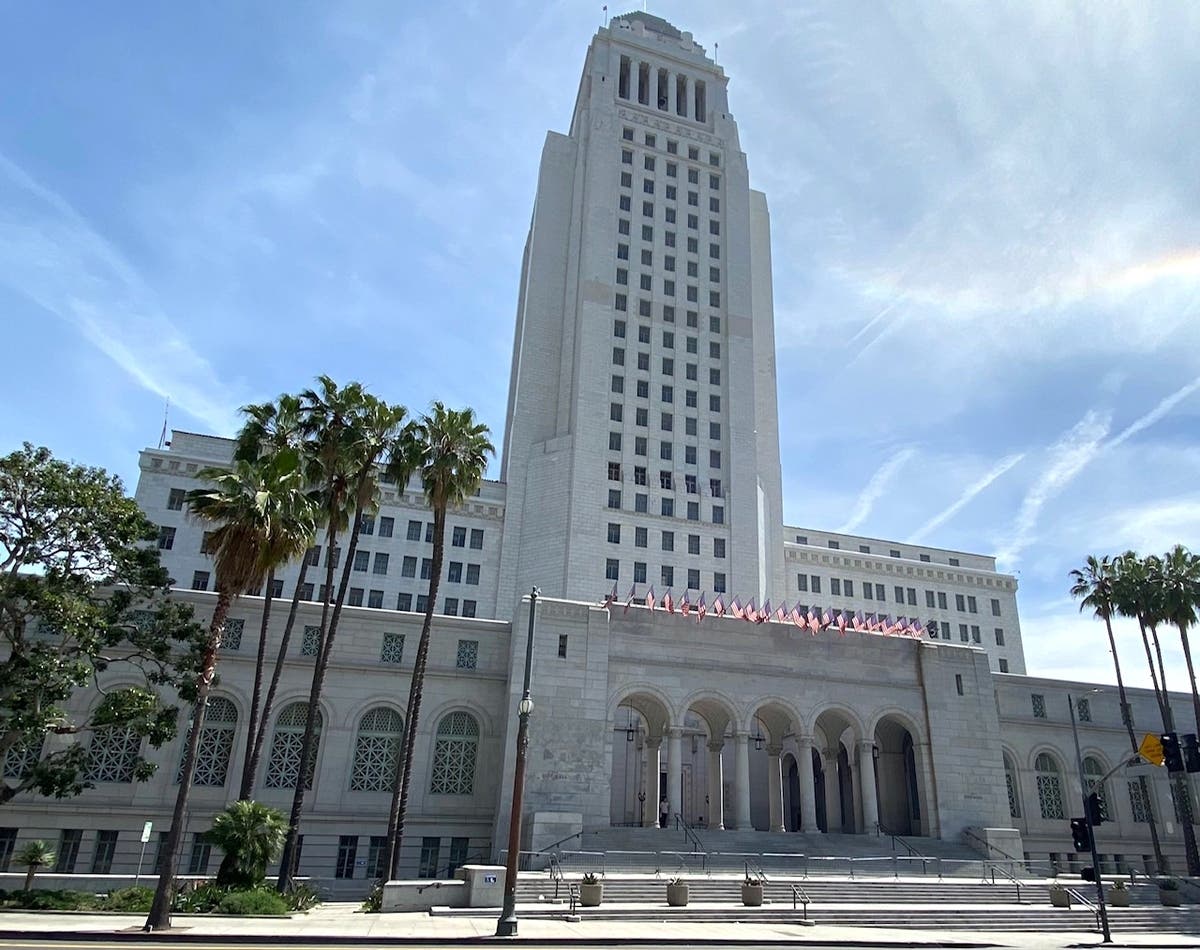
LOS ANGELES, CA — A Los Angeles City Council committee Tuesday advanced a motion calling for a citywide plan to expand hygiene infrastructure, including more public toilets, hand-washing stations and permanent water spigots.
The Homelessness and Health Committee approved the motion and it now heads to the City Council for consideration. Council members Nithya Raman and Ysabel Jurado, who introduced the motion in October, asked that resources initially focus on Skid Row.
If approved by the full council, the motion would direct the city administrative officer, Bureau of Street Services, Bureau of Sanitation, Department of Water and Power and Board of Public Works, in consultation with Metro, to report within 60 days with recommendations for a citywide hygiene- infrastructure expansion plan.
Find out what's happening in Los Angelesfor free with the latest updates from Patch.
The committee members asked city staff to consider public-private partnerships, including the Hollywood Partnership's funding and operation of 40 public bathroom stalls on the ground floor of the city's parking garage at 1627 Vine St.
They also requested an examination of opportunities to install public restrooms and hand-washing facilities on city- and county-owned property, including potential locations at or near Metro station entrances.
Find out what's happening in Los Angelesfor free with the latest updates from Patch.
The motion further requests a status update on implementation of the LADWP's Hydration Station Initiative Program and potential city partnerships to add more hydration stations, which provide drinking-water refills.
Raman and Jurado asked city staff to determine whether Homeless Housing, Assistance and Prevention Program funds could support the effort.
Jurado, who represents portions of downtown Los Angeles, also requested that staff identify stable funding for the continued operation of public toilets in Skid Row, regardless of the timeline for a broader hygiene- infrastructure expansion.
In 2021, Los Angeles entered into a contract with Outfront/JCDecaux for the Coordinated Street Furniture Program, which proposed the potential installation of up to 150 automated public toilets. The company installed, operated and maintained the restrooms at no direct operating cost to the city.
During the contract term, 14 automated public toilets were installed. When the contract expired, the city was required to replace 13 units because the restrooms were owned by the company, according to the motion.
Due to funding constraints from fiscal year 2025-26 to the present, only four replacement toilets are currently operating.
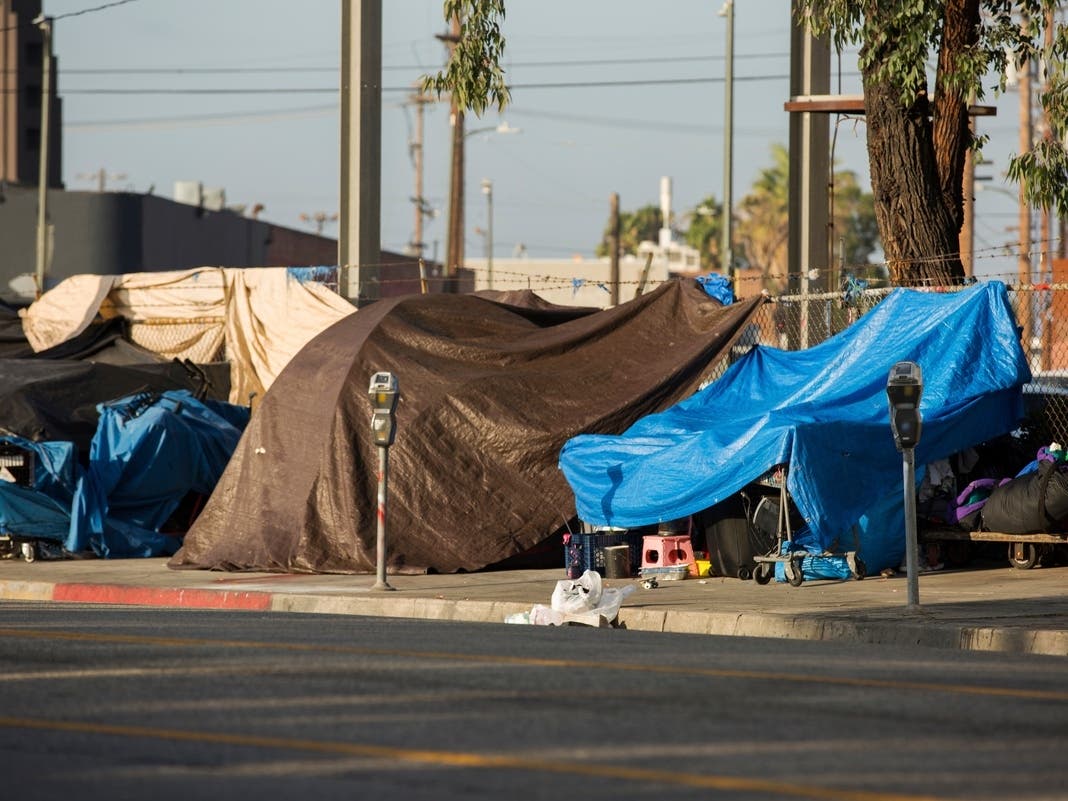
"This woefully inadequate scale of public hygiene infrastructure has left the streets of Los Angeles, especially in underinvested areas such as Skid Row, without consistent access to sanitation and water," the motion states.
The council members argued that most available restrooms are located in private businesses, placing a burden on business owners.
"For those unable to access these spaces — particularly people experiencing homelessness — using the restroom outdoors may be the only viable option," according to the motion. "In 2025, the Los Angeles Sanitation Livability Services Division collected and disposed of more than 70 tons of human waste from the public right-of-way."
The motion states that more restrooms and hand-washing facilities would improve the health and safety of city residents.
During the coronavirus pandemic, the city provided portable toilets and hand-washing stations at encampment locations at the discretion of City Council offices to curb the spread of COVID-19 and improve sanitary conditions. The effort was temporary, and the two council members are now seeking a permanent approach to health and sanitation concerns.
"Meeting these responsibilities requires a comprehensive plan with stable funding to sustain existing facilities and expand access citywide," the motion states. "A designated lead department or office, selected to align program responsibilities with departmental capabilities, would provide clear accountability for planning, funding, operations, and maintenance while supporting coordination and shared resources across the city's sanitation and hygiene efforts."
City News Service