Arts & Entertainment
The Art of the $50K Film: Crystal J. Huang’s Blueprint for Micro-Budget Cinema
Huang believes limited budgets can encourage innovation. Constraints force filmmakers to rethink traditional production methods.


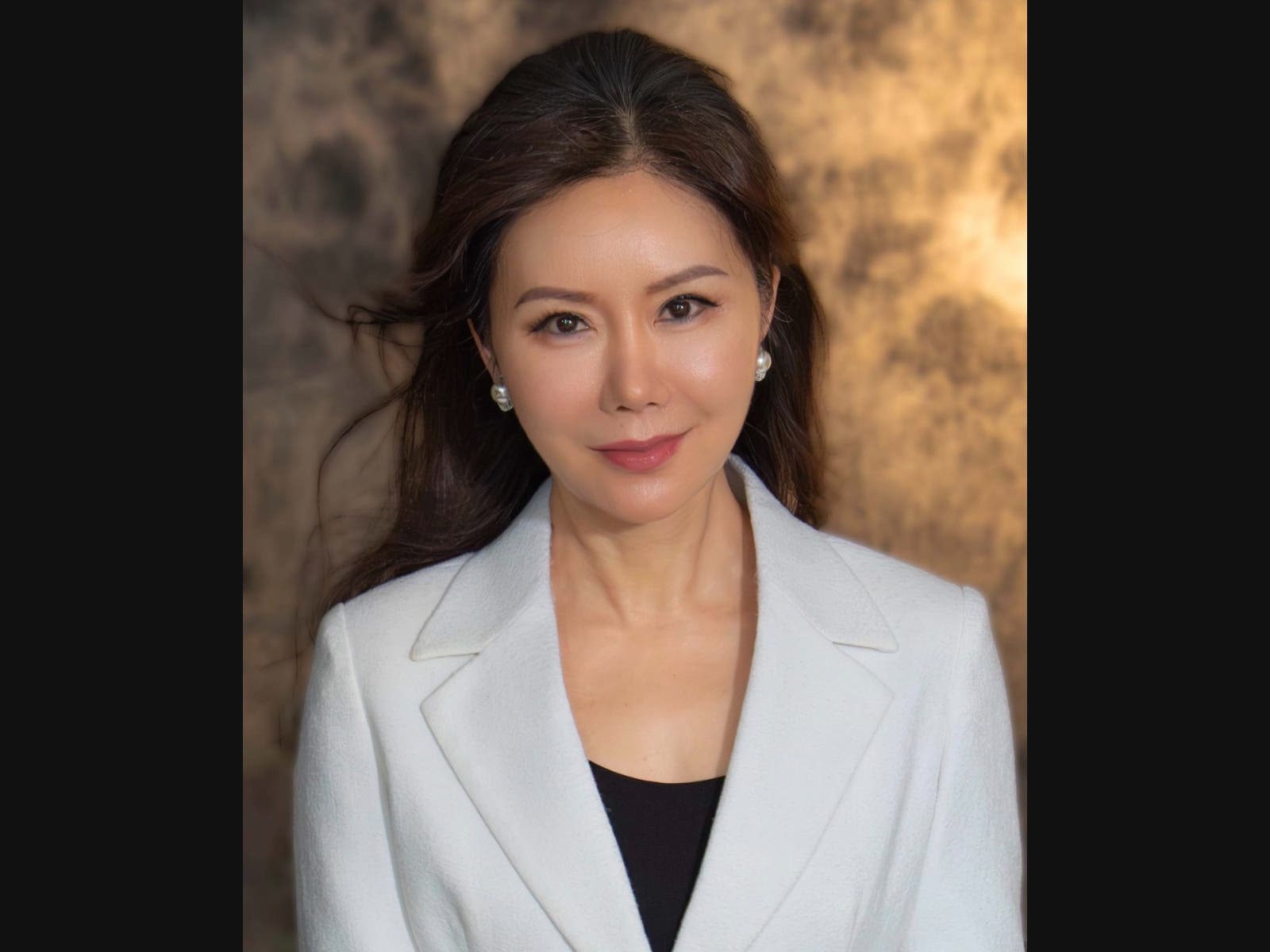
In an industry where film budgets often stretch into the millions, filmmaker Crystal J. Huang is demonstrating that compelling cinema doesn’t have to come with a massive price tag. Through careful planning, creative collaboration, and a deep commitment to storytelling, Huang has shown that a theatrical-quality film can be made for less than $50,000 — challenging one of filmmaking’s most common assumptions.
For Huang, the path to filmmaking began long before she stepped behind a camera. Born in Shanghai, China, she first discovered storytelling through theater, where early performances sparked a lasting fascination with character and narrative.
“I was involved in theatre when I was young,” Huang recalls. “That early experience gave me a deep love for acting and storytelling.”
Find out what's happening in Los Angelesfor free with the latest updates from Patch.
After moving to the United States, another artistic outlet emerged: photography. What began as a hobby soon became the visual foundation which led to her future work in film. By profession, Huang was a software engineer prior to her career in filmmaking.
“At first, photography was simply the technical foundation of my filmmaking,” Huang explains. “Film is essentially twenty-four still images per second, so photography is really the origin of everything in cinema.”
Find out what's happening in Los Angelesfor free with the latest updates from Patch.
The realization that filmmaking could bring together all of her creative interests — performance, visual design, music, and narrative — came while she was developing her first feature film, Dark Feathers: Dance of the Geisha. Watching a story evolve from a simple concept into a cinematic world confirmed that film was the medium where she could fully express her vision.
“I saw how a story could grow from a simple idea into an entire world that audiences could experience together on screen,” she says. “Even with limited resources, the creative possibilities felt endless.”
Huang’s storytelling style has been influenced by filmmakers who emphasize atmosphere and emotion as much as plot. Among her early inspirations is acclaimed Hong Kong director Wong Kar-wai, whose visually poetic films capture memory and mood with striking imagery.
“I admire the way he tells stories through atmosphere, emotion, and visual poetry rather than just dialogue,” Huang says.
She also found inspiration in classic Hollywood cinema, particularly the sweeping storytelling of Gone with the Wind, which demonstrated the emotional scale and character depth that film can achieve.
These influences shaped Huang’s belief that cinema should engage audiences both visually and emotionally. Yet while her creative ambitions are expansive, her production philosophy is grounded in practicality.
Rather than waiting years to secure a large budget, Huang believes filmmakers should focus on telling stories with the resources available to them.
“I’ve always believed filmmakers should not wait for a large budget in order to tell a story,” she says. “If the story is meaningful and you’re willing to work hard, you can find ways to bring it to the screen.”
Her thinking has also been shaped by independent filmmakers who achieved critical success with modest budgets. One example is director Chloé Zhao, whose film The Rider earned widespread acclaim despite being produced on a relatively small budget.
“It shows that strong storytelling does not depend on massive resources,” Huang says.
In fact, Huang believes limited budgets can encourage innovation. Constraints force filmmakers to rethink traditional production methods and focus on what truly matters.
“Working within a $50,000 budget actually encourages more creativity,” she explains. “You have to think differently and solve problems in new ways. It reminds you that filmmaking is not just about money — it’s about vision, persistence, and collaboration.”
One of Huang’s most effective strategies is designing a film around the resources already available. Instead of writing scripts that require multiple locations or large-scale set pieces, she builds stories that can be produced efficiently without sacrificing atmosphere or dramatic impact.
Her psychological thriller The Ritual House illustrates that approach. By centering much of the story in a single primary location, Huang and her team were able to control production costs while also intensifying the film’s sense of suspense.
“Focusing the story around one location helped control production costs while also creating a strong sense of psychological tension,” Huang says.
Keeping the production team small is another essential element of her filmmaking model. On micro-budget films, many crew members take on multiple roles, allowing the project to move quickly and remain flexible when challenges arise.
Huang herself often works not only as director and producer but also steps in as cinematographer and lighting designer when needed. Her producing partner, Donna Spangler, who wrote the story for The Ritual House, also contributes across several creative areas, from writing to set design.
This collaborative environment allows a small team to achieve far more than traditional production structures might suggest.
Still, working with a limited budget requires careful decisions about where resources are spent. Huang believes three elements are especially critical: the script, the actors, and the sound.
“A strong script is the foundation of everything,” she says. “If the story is compelling, audiences will stay engaged regardless of the budget.”
Casting is equally important, since performances carry the emotional weight of the film. Sound design, meanwhile, is one area where cutting corners can quickly undermine the audience’s experience.
“People may forgive visuals that aren’t perfect,” Huang notes, “but poor sound can immediately take them out of the film.”
Instead of relying on expensive equipment or elaborate sets, Huang focuses on thoughtful composition, lighting, and atmosphere to create cinematic images. Real locations, natural light when possible, and detailed planning allow her team to maximize production value without inflating costs.
“Cinematic quality often comes from composition, lighting, and atmosphere rather than the price of the camera,” Huang says.
Ultimately, Huang believes the success of independent filmmaking depends on something less tangible than money: a shared belief in the story being told.
“When people connect with the story and understand the purpose behind the film, they’re much more willing to work within the constraints of a smaller production,” she explains.
For Huang, that sense of purpose — and the collaboration it inspires — is what makes it possible to bring ambitious cinematic stories to life, even on a modest budget.