Neighbor News
Bubble or Bust: Tavio Hobson on Los Angeles’ Real Estate Boom
California-based entrepreneur and real estate investor Tavio Hobson discusses the impact of Los Angeles' real estate market shift.

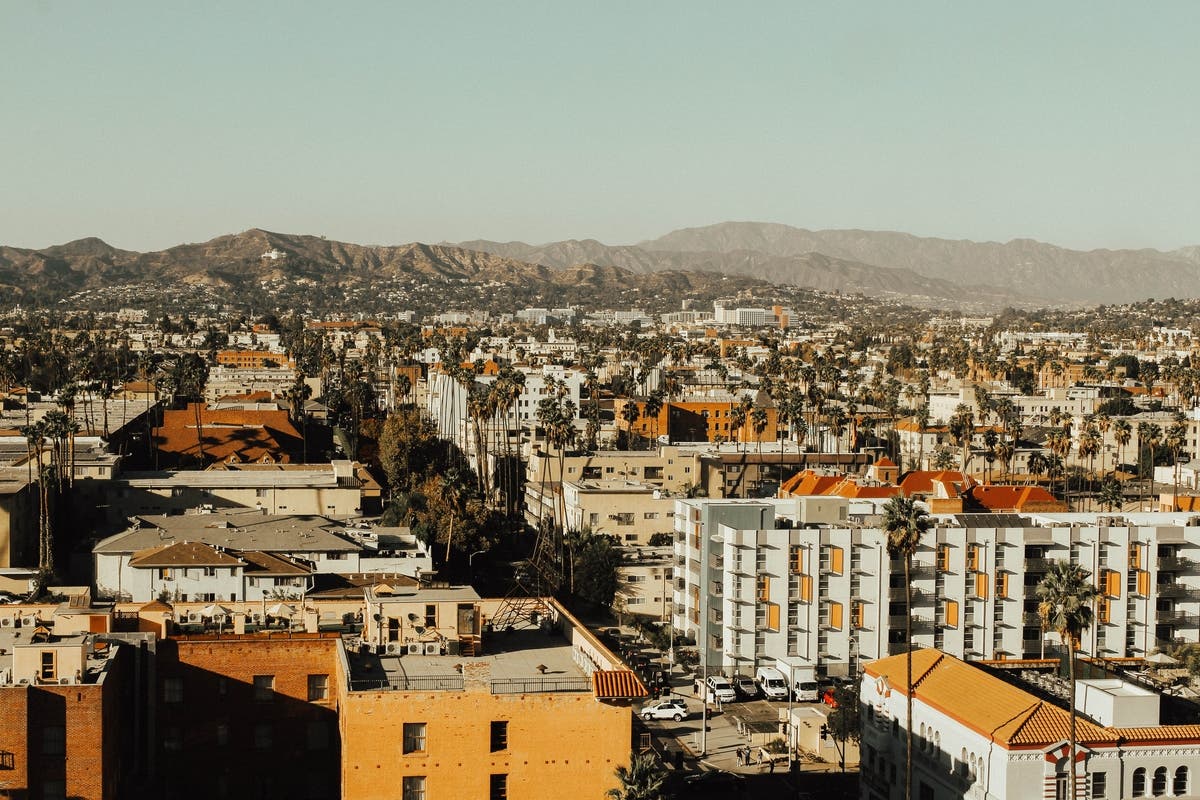
Anyone working in real estate or living in California for that matter has felt the impact of the housing shift in California. As we head into 2018 and continue a record high for property values in Los Angeles, there’s a lot of questions on everyone’s minds. What does this mean for L.A. natives? What happens when the bubble finally busts?
Landlords are reaping the benefits as “Half the state’s households struggle to afford the roof over their heads. Homeownership—once a staple of the California dream — is at its lowest rate since World War II. Nearly 70 percent of poor Californians see the majority of their paychecks go immediately to escalating rents.” Those still interested in staking a claim in the real estate game are being forced into ‘outside’ areas and in turn, stimulating gentrification in regions that were previously considered affordable substitutes.
For example, as reported in the L.A. Times, a few years ago Stockton was considered a blight on California. “It went bankrupt. It led the nation in foreclosures during the housing crash. It found itself on a list of the most miserable places to live in America. It was too far from job centers. The crime rate was high and a former mayor got slapped with criminal charges.” Now amidst the housing boom, Stockton benefited from a 92% housing price increase over the last five years.
Find out what's happening in Los Angelesfor free with the latest updates from Patch.
Steve Lopez has been reporting on the shifting climate in the industry as an L.A. Times reporter and California native. Focused on the cost of the boom, Lopez highlights the effects on the middle and lower class and their alternatives for housing. From camping in parking lots to moving east into the Las Vegas area, a shift is definitely at hand. The boom doesn’t necessarily mean renting or homelessness though.
Now some are looking to forgotten neighborhoods like Compton and South Side as a less expensive alternative without the pressures of relocating or continued rent increases. While people previously saw these areas as dangerous or unappealing, “A housing affordability crisis can change minds, though, and reverse trends,” making it the next prime location for gentrification in the area. From USC’s development to the ten-year countdown to the 2028 Olympics, expect development momentum to build in these areas.
Find out what's happening in Los Angelesfor free with the latest updates from Patch.
As property values continue to bubble over into unforeseen highs, one thing is for sure; a bust is inevitable. Now it’s just a question of when and what damage will have been done to those impacted by the widening income inequality and housing crises.