Health & Fitness
Is California In For Another Winter COVID-19 Surge?
While CA could be well positioned to handle an influx of coronavirus cases, the threat of a "twindemic" looms as flu season comes into view.


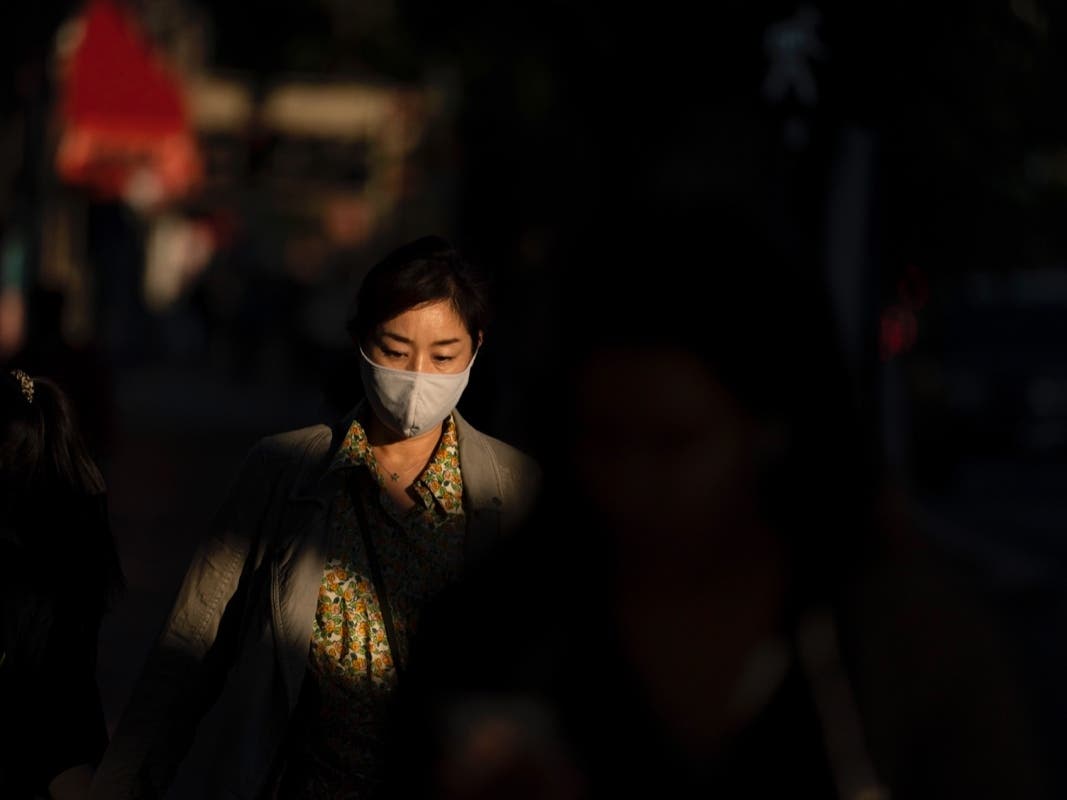
CALIFORNIA — Exactly one year ago, California recorded the largest increase in new COVID-19 cases it had ever seen, prompting Gov. Gavin Newsom to consider a statewide curfew one week before Thanksgiving.
This year, many families will reunite for the upcoming holiday — but the fear of a winter coronavirus surge still looms.
With vaccines, the stakes aren't as high this year for a potential surge to result in the devastation of last winter's deadly avalanche of illness. But experts still urge caution as influenza season threatens to plunge the state into a "twindemic."
Find out what's happening in Los Angelesfor free with the latest updates from Patch.
The main concerns this year lie with those who remain unvaccinated against the coronavirus and the possibility that influenza could come roaring back after lying dormant last flu season, according to Dr. John Swartzberg, a professor of vaccinology and infectious disease at the University of California, Berkeley.
"One of the reasons that people are worried that this year could be bad is because last year, with no influenza circulating to speak of, very few people got infected," he told Patch Wednesday. He added: "We're going into this flu season with far fewer people immunized by the virus, ... so that could be trouble for us."
Find out what's happening in Los Angelesfor free with the latest updates from Patch.
Swartzberg has been an infectious disease specialist and a professor for nearly 50 years, but he's never seen anything like last flu season, he said.
Less flu activity was recorded during the 2020-21 season than in any other season since 1997, CalMatters reported, citing the Centers for Disease Control and Prevention.
Hospitals across the state now face staffing shortages, and health officials are once again bracing for the possibility of a difficult flu season that could threaten the state's health care system the way it was threatened last year by the surging coronavirus.
"Because of so little disease last year, population immunity is likely lower, putting us all at increased risk of disease this year, especially among the most vulnerable, including our children," CDC Director Rochelle Walensky said at a White House news briefing earlier this month.
Experts typically look to the Southern Hemisphere to forecast an upcoming flu season before it hits California, Swartzberg said. Last year, the Southern Hemisphere, which finishes its winter before the U.S., didn't have much a flu year, according to Swartzberg.
"We didn't have a lot of flu on the Southern Hemisphere this year, either," he said. "So maybe we'll see the same thing this year. Fingers crossed."
To mitigate another possibly difficult winter, Swatzberg and health officials across the state pleaded with eligible residents to get a coronavirus booster shot and a flu shot as soon as possible.
"Another explanation as to why we had such a light year last year was because many more people than usual got the influenza vaccine," Swartzberg said. "Influenza vaccines are about, on average, 50 percent protective, so they're really wimps compared to COVID vaccines — which are far better."
Pfizer and Moderna coronavirus vaccines are about 90 to 94 percent effective among those with strong immune systems, NPR reported.
"We are going into a very unstable time now with the holidays coming up, with the weather colder and people being inside," Swartzberg said. "We know what happened last year. About 10 days after Thanksgiving, we saw just that horrific surge, and this year, the booster will help tremendously."
Last week, the state announced that all fully vaccinated adults seeking a booster shot should be able to get one as COVID-19 cases recently climbed by 6 percent statewide, and hospitalizations rose 1 percent, according to The New York Times' coronavirus tracker.
"It's really important that people get [vaccinated], because if we have a bad flu year or even just an average year, and we have another [COVID-19] surge over the winter, we're going to really have some serious problems in terms of stressing our health care system," Swartzberg said. "We want to avoid that at all cost."
Last month, nearly one-third of all Golden State hospitals reported critical staffing shortages, CalMatters reported.
SEE ALSO: All California Adults Now Allowed To Get COVID-19 Booster Shots
On Wednesday, the state's coronavirus positivity rate was 2.2 percent, and about 74 percent of California's eligible population had received at least one vaccine shot, according to the California Department of Public Health.
"We're blessed to be here in the Bay Area and in general in California, where we're doing well, but when you look at the numbers — cases per day and hospitalizations — we've really seen a leveling out," Swartzberg said. "We're not dropping significantly now. As a matter of fact, it looks pretty flat out for the last several weeks. ... So we're in much better shape, but we're not in great shape."
Despite the threat of flu season and some indications that the state could be in for an influx of COVID-19 cases among the unvaccinated, this holiday season will not be marred with "stay home" messaging the way it was last year.
But Swartzberg said he'd still urge caution when attending large gatherings or in the presence of those with compromised immune systems.
"We're going to get together with family over Thanksgiving, but I'm not going to get together [with] people that weren't vaccinated," he said. "If there's somebody we're going to be visiting with significant underlying diseases, I'm going to do a rapid test before going over there. ... So I think we can really enjoy the holidays, but you have to be more cautions than we used to be in the past."
Get more local news delivered straight to your inbox. Sign up for free Patch newsletters and alerts.