Traffic & Transit
California Gas Prices Smash Records Again
Golden State gas prices crept closer to the $5 mark this week ahead of the holiday season. Here are a few tips to conserve fuel.


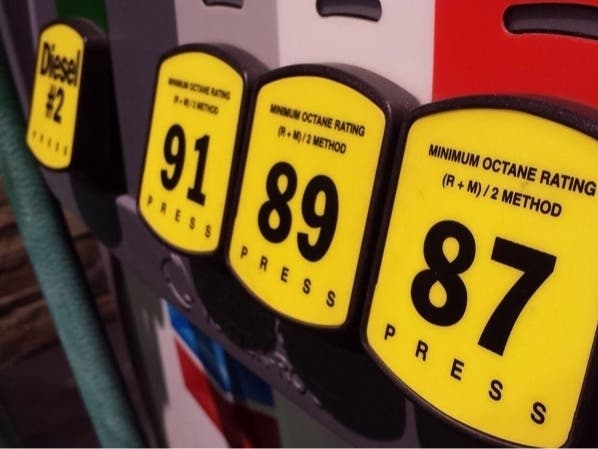
CALIFORNIA — Just in time for Golden Staters to begin making plans for holiday travel, California set a new gas price record — for a second day in a row.
The average price for a gallon of regular gasoline reached $4.682 Monday — up from an all-time high of $4.676 per gallon Sunday, according to the AAA.
"Unfortunately, the ongoing tight supply of crude oil will likely keep gas prices fluctuating instead of dropping for some time," said Andrew Gross, an AAA spokesperson.
Find out what's happening in Los Angelesfor free with the latest updates from Patch.
California is the nation's most expensive gasoline market. Hawaii comes in second, with an average price of $4.34 per gallon.
In Los Angeles, the average price per gallon for regular gasoline was $4.672. In San Francisco, the average price stood at $4.867 on Monday, according to AAA.
Find out what's happening in Los Angelesfor free with the latest updates from Patch.
Prices were surging across California, but nationally the average price for a gallon of regular gas was $3.41 on Monday, according to AAA. The price was $1.29 higher than the price a year ago but was down a penny from last week.
The national average price fell on nine separate days since Oct. 30, but only after it rose every day for 31 days before that.
"A slight dip in gas demand, possibly due to seasonal driving habit changes, is contributing to some price relief at the pump," Gross said.
Here are some tips offered by AAA to get better gas mileage.
- Avoid "jack rabbit" starts, rapid acceleration and hard braking. These actions can lower fuel economy by 15 to 30 percent.
- Avoid excessive idling. A car engine typically consumes a quarter to a half gallon of fuel per hour when idling.
- Avoid commuting during rush hour, the busiest traffic time.
- Time stoplights to maintain momentum and avoid stop-and-go driving.
- Use cruise control.
- To warm the engine, drive instead of idling.
- Use a prepaid fast pass on toll roads.
- For manual drivers, shift gears efficiently by upshifting as soon as possible. When coming to a stop, use the brakes instead of downshifting.
- Watch your speed; fuel economy peaks around 50 mph on most vehicles. Reducing highway speeds by 5 to 10 mph can increase fuel economy 7 to 14 percent, according to AAA.
A worsening surge in prices for gas, food and rent are bedeviling Californians just weeks ahead the holiday shopping season.
Prices for U.S. consumers jumped 6.2 percent in October compared with a year earlier, the highest inflation rate since 1990, the Labor Department said last week. From September to October, prices rose 0.9 percent.
Economists expected inflation to slow once supply-chain bottlenecks eased and Americans shifted more of their consumption back to pre-pandemic norms. Consumers were expected to spend more on travel, entertainment and other services and less on goods such as cars, furniture and appliances, which could ease pressure on supply chains.
It's unclear when that shift could take place. The surge of inflation has persisted longer than most experts predicted.
The Associated Press contributed to this report.
Get more local news delivered straight to your inbox. Sign up for free Patch newsletters and alerts.