Los Angeles, CA|Local Classified|Announcement|
Why Strong Neighborhood Connections Matter More Than Ever in Los Angeles
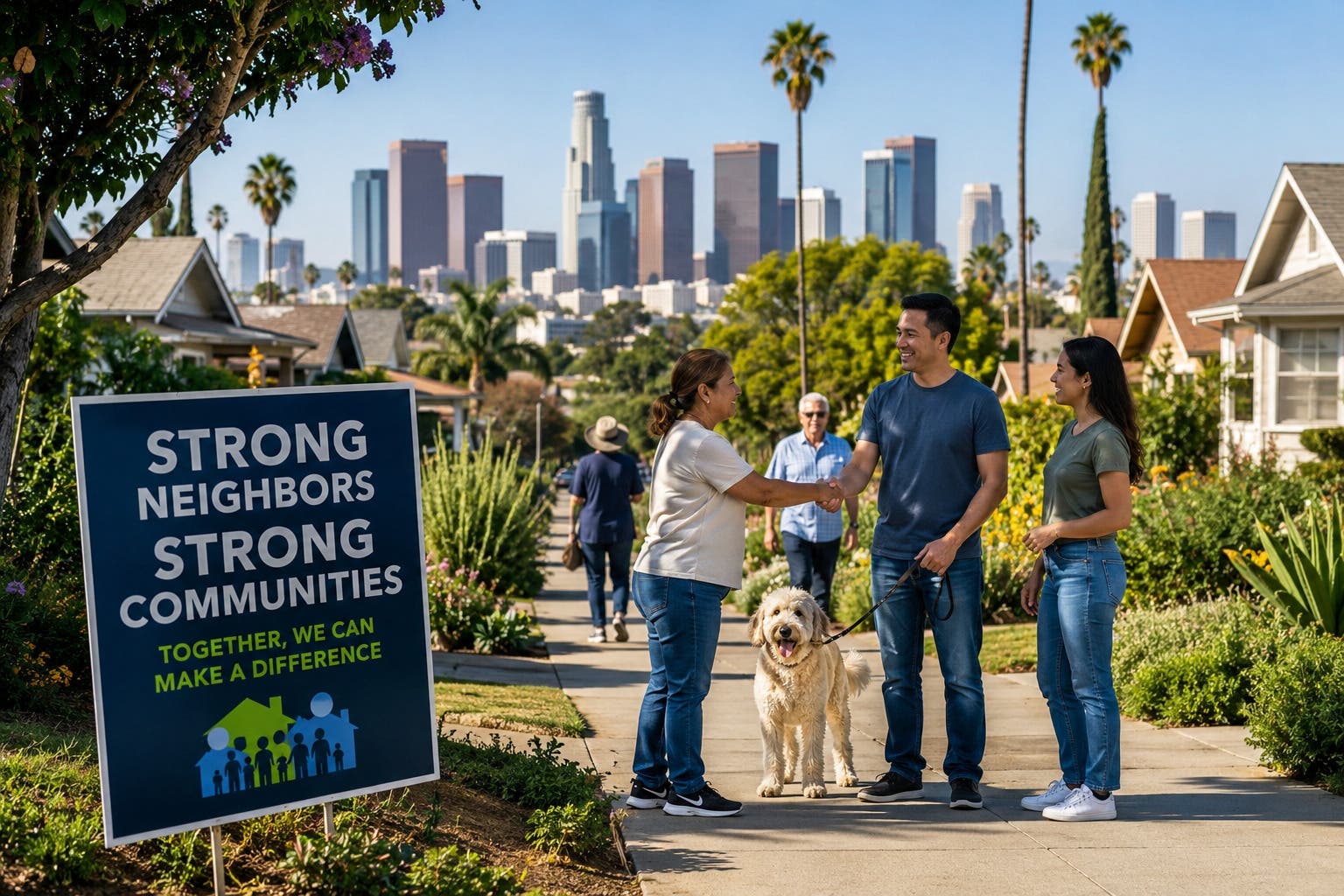
How simple acts of kindness, communication, and cooperation can help build safer and more connected communities.
Los Angeles is known for its diverse neighborhoods, busy streets, and vibrant community life. From residential streets to apartment communities, people from different backgrounds share the same spaces, public facilities, and everyday experiences. While the city continues to grow and change, one thing remains important: strong connections between neighbors.
Building a connected neighborhood does not always require major projects or organized campaigns. Sometimes, it begins with something as simple as greeting a neighbor, offering assistance, sharing useful information, or taking an interest in what is happening nearby.
In a large city like Los Angeles, where daily schedules can be demanding, it is easy for people living on the same street or in the same apartment building to remain strangers. However, creating opportunities for neighbors to communicate can make a meaningful difference in everyday community life.
The Importance of Knowing Your Neighbors
A friendly relationship between neighbors can create a greater sense of belonging. When residents recognize one another and communicate regularly, they may feel more comfortable discussing concerns, sharing information, and asking for help when necessary.
For example, a neighbor might notice an elderly resident having difficulty carrying groceries or offer assistance to someone who has recently moved into the area. These small interactions can encourage a culture of consideration and mutual respect.
Getting to know people nearby can also help residents become more aware of their surroundings. Familiarity and communication make it easier to exchange information about neighborhood concerns, unusual activity, maintenance issues, and local developments.
Community Communication Makes a Difference
Clear communication is one of the most useful tools available to any neighborhood. Residents need reliable ways to share information about matters that affect their daily lives.
Community meetings, neighborhood associations, local online groups, and public announcements can help people stay informed. These platforms can provide opportunities to discuss local improvements, ask questions, and learn about available resources.
However, responsible communication is equally important. Information should be checked before it is shared, particularly when it concerns public safety, emergencies, or other sensitive matters. Unverified claims and rumors can create unnecessary confusion.
Residents can contribute to a healthier information environment by relying on official announcements, credible local reporting, and direct communication with the appropriate authorities.
Small Acts of Kindness Can Have a Lasting Impact
A stronger community is not built only through meetings and formal organizations. Everyday actions also play an important role.
Helping a neighbor with a simple task, welcoming a new resident, keeping shared spaces clean, and showing consideration for others are practical ways to improve neighborhood relationships.
Respecting different schedules and lifestyles is also essential. In a diverse city such as Los Angeles, residents may have different cultural backgrounds, traditions, working hours, and personal circumstances. A welcoming neighborhood recognizes these differences and treats everyone with dignity.
These actions may seem small individually, but together they can help establish a more positive community environment.
Taking Better Care of Shared Spaces
Public spaces are an important part of neighborhood life. Sidewalks, parks, playgrounds, and other shared areas provide opportunities for residents to spend time outdoors and interact with one another.
Keeping these spaces clean and treating public property responsibly benefits everyone. Residents can help by disposing of waste properly, respecting park rules, reporting maintenance concerns through appropriate city channels, and encouraging children to take care of their surroundings.
Community participation can also help identify areas that need attention. When residents communicate respectfully with local representatives and relevant departments, they can help bring attention to practical neighborhood concerns.