Politics & Government
Congress Proposes $42M Investigation Into Toxic Waste Off California Coast
Federal legislation targets decades of ocean dumping as the EPA reassesses a separate DDT contamination site off Palos Verdes.


PALOS VERDES, CA — More than half a century after industrial chemicals and military waste were dumped into the Pacific Ocean off Southern California, federal lawmakers are proposing a seven-year, $42 million research program to investigate the contamination and determine whether some of the environmental damage can be reversed.
The Ocean Protection and DDT Reduction Act, introduced Sept. 24 by U.S. Sen. Alex Padilla, D-California, would place the National Oceanic and Atmospheric Administration in charge of coordinating research into historic dumping in and around the San Pedro Basin, between the mainland and Catalina Island.
A companion bill in the House of Representatives was introduced the same day by Rep. Salud Carbajal, D-Santa Barbara.
Find out what's happening in Los Angelesfor free with the latest updates from Patch.
The proposal comes as the Environmental Protection Agency continues reassessing how to address another legacy of Southern California's industrial past: DDT-contaminated sediment on the Palos Verdes Shelf, where chemical manufacturing waste was discharged into the ocean through the county sewer system.
Although the offshore dumping grounds and the Palos Verdes Shelf have different contamination histories, both illustrate how pollution from decades ago continues to affect the marine environment.
Find out what's happening in Los Angelesfor free with the latest updates from Patch.
What Congress Is Proposing
Under the legislation, NOAA would investigate the extent of contamination in the San Pedro Basin, track how pollutants move through the marine environment and examine whether they accumulate in fish and other marine wildlife. The agency would consult with the EPA, Department of Defense and other federal authorities, while also having the ability to award research grants to universities and other institutions.
The investigation would cover DDT and its chemical byproducts, along with other historically discarded materials, including military explosives, radioactive waste and petroleum refinery byproducts. Scientists would also examine the potential for bioremediation, which involves using biological processes to break down or otherwise reduce pollutants.
Both the Senate bill, S. 5563, and House bill, H.R. 10536, authorize $6 million annually for fiscal years 2028 through 2034, totaling $42 million if fully funded. However, the legislation would not itself provide that money. Congress would still need to approve the necessary appropriations.
If enacted, NOAA would have three years to submit a report to Congress outlining a strategy for further research and bioremediation, while identifying additional offshore dumping locations. Neither bill establishes a timetable for physically removing contaminated material or guarantees that a cleanup will take place.
The Longstanding Problem Off Palos Verdes
The proposed research program is distinct from the federal government's existing efforts to address DDT contamination along the Palos Verdes Shelf. According to the EPA's Montrose Chemical Corp. Superfund records, waste containing DDT entered the Los Angeles County sewer system between 1953 and 1971 before passing through a wastewater treatment facility and being discharged into the Pacific Ocean.
An estimated 110 tons of DDT accumulated in sediment off the Palos Verdes Peninsula, according to an EPA investigation. The contamination has raised longstanding concerns about marine wildlife and the health risks associated with consuming certain locally caught fish.
In 2009, the EPA selected an interim remedy combining natural recovery, measures to limit exposure to contaminated seafood and a proposed layer of clean sediment intended to contain some of the pollution. However, subsequent monitoring indicated that conditions had changed and the original approach might no longer be effective.
The agency suspended the proposed sediment-capping component while continuing natural recovery monitoring and other protective measures. According to its Superfund site profile, EPA is developing a feasibility study to support selection of a final remedy.
The new congressional legislation does not specifically allocate money to that cleanup, although research into the wider marine environment could potentially inform future decisions.
What Researchers Found Beneath The Ocean
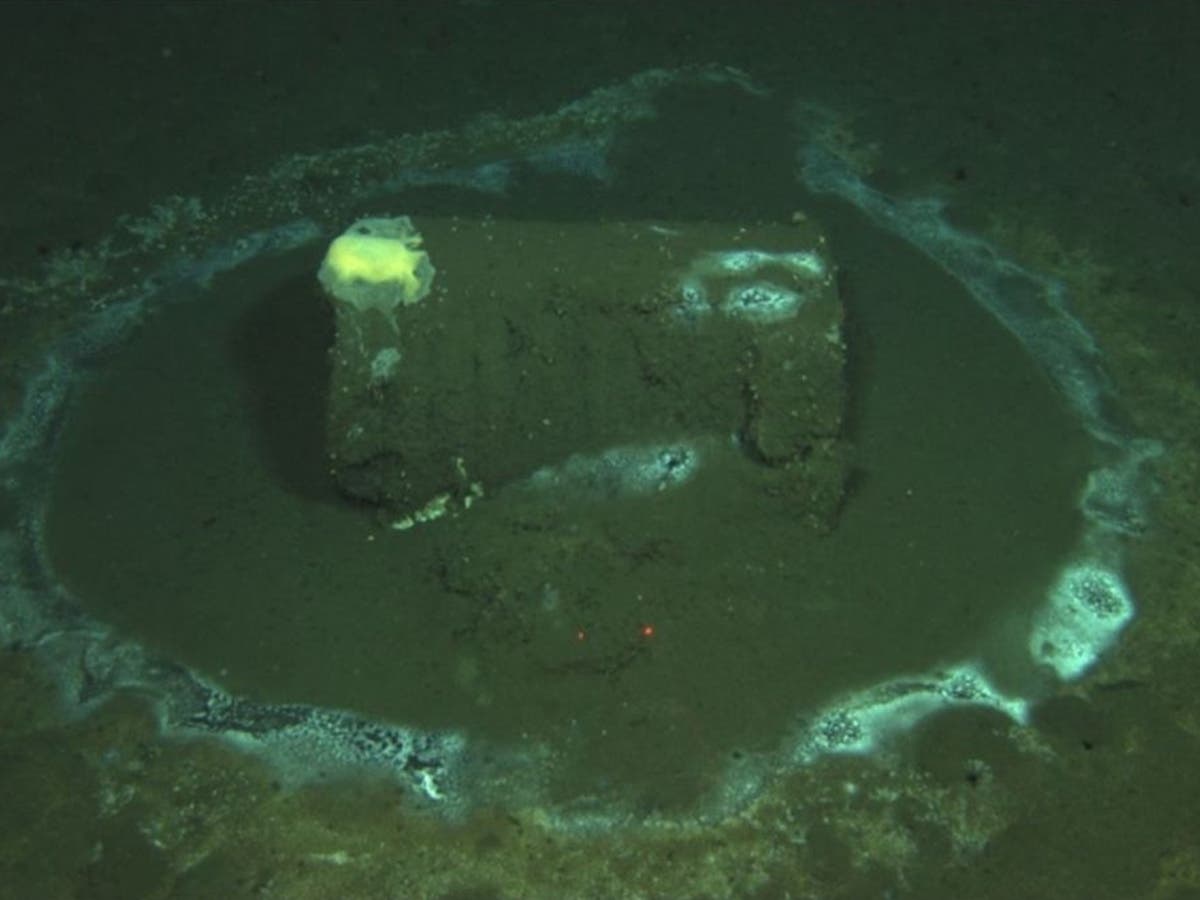
Scientific expeditions have revealed that the legacy of offshore dumping is more complicated than the discovery of discarded barrels initially suggested. In a January 2024 report, researchers at UC San Diego's Scripps Institution of Oceanography described a survey covering approximately 135 square miles of seabed in the San Pedro Basin.
Using underwater sonar and remotely operated vehicles, the team found that many objects initially resembling barrels were actually discarded military munitions and pyrotechnics. Although industrial waste barrels were also identified, researchers found they were concentrated in particular locations rather than scattered throughout the entire surveyed area.
Scientists also reported evidence that much of the DDT manufacturing waste had been dumped directly into the ocean instead of being sealed inside barrels. That finding presents a significant challenge for understanding the contamination, because chemicals released directly into the marine environment may spread far beyond their original disposal locations.
Scripps researchers have also identified DDT-related compounds in deep-sea sediment, including concentrations exceeding those measured at the Palos Verdes Shelf Superfund site. The proposed federal program would seek to improve understanding of how such contamination moves through marine ecosystems and whether emerging technologies could eventually help address it.
For coastal communities from Palos Verdes to Long Beach, the legislation offers the possibility of a more coordinated investigation into an environmental problem that has persisted for generations.
Whether that research ultimately produces a workable cleanup strategy — and whether Congress provides the funding — remains unresolved.
Get more local news delivered straight to your inbox. Sign up for free Patch newsletters and alerts.