Community Corner
Los Angeles Officially Drought-Free
It's official: a wide swath of Southern California is out of drought and now faces the threat of flooding instead.


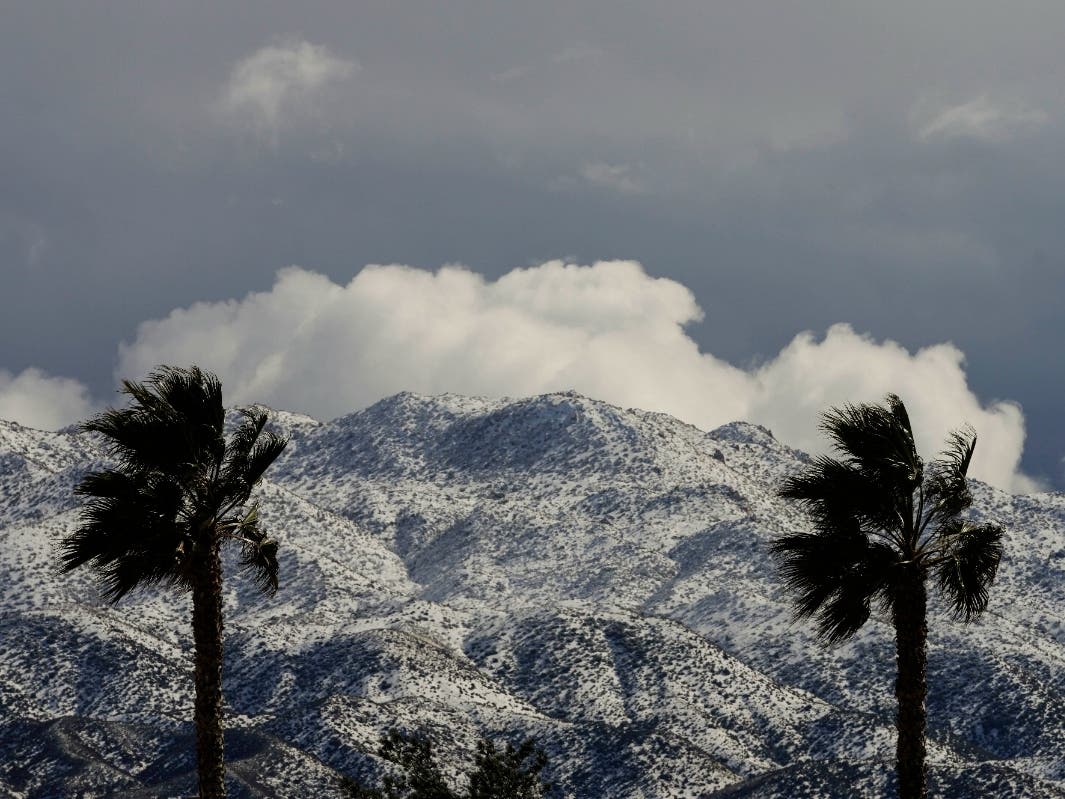
LOS ANGELES, CA — The record-breaking storms that battered Southern California may yet bring flooding from the melting snowpack, allergies from lush grasslands and super blooms, and wildfires when those hills dry out, but, for now, they've brought an end to the drought across much of California.
The U.S. Drought Monitor this week lists Los Angeles as not only drought-free but almost entirely free of dry conditions. Only a minute corner of the Antelope Valley is listed as abnormally dry.

The conditions in California are a far cry from October when 99 percent of the state was experiencing drought conditions. In December, the nation’s largest water supplier declared a drought emergency for all of Southern California, clearing the way for mandatory water restrictions impacting as many as 19 million people.
Find out what's happening in Los Angelesfor free with the latest updates from Patch.
The Metropolitan Water District of Southern California, which provides water to 26 different agencies that supply major population centers like Los Angeles and San Diego counties, warned that cutbacks were coming. Less than three months and 12 atmospheric storms later, the Metropolitan Water District of Southern California's Board of Directors voted to rescind the water restrictions. That impacted six local water agencies in Los Angeles, Ventura and San Bernardino counties that are heavily dependent on supplies from the State Water Project.
The affected agencies, covering roughly 6 million people, had been ordered to restrict outdoor watering to one day per week, beginning June 1, 2022.
Find out what's happening in Los Angelesfor free with the latest updates from Patch.
Now Southern California has the opposite problem.
The National Oceanic and Atmospheric Administration (NOAA) released its official U.S. spring outlook recently, predicting widespread drought relief and lingering flood risks as a historic snowpack begins to melt.
The water content of the statewide snowpack as reported by a network of automated sensors on Monday was 237% of average to date, said Sean de Guzman, water supply forecasting unit manager for the California Department of Water Resources.
That is greater than any previous April reading since the sensor network was deployed in the mid-1980s, de Guzman said. Manual measurements on “snow courses” date back to 1910 and only the years 1952, 1969 and 1983 showed a statewide result greater than 200% of average in April.
The Associated Press, City News Service and Patch Staffer Lucas Combos contributed to this report.
Get more local news delivered straight to your inbox. Sign up for free Patch newsletters and alerts.