Arts & Entertainment
‘Michael’ Review: Jaafar Jackson Captures The King Of Pop In A Reverent, Cautious Biopic
Antoine Fuqua's biopic honors Michael Jackson's artistry but keeps his deeper complexities safely out of frame.


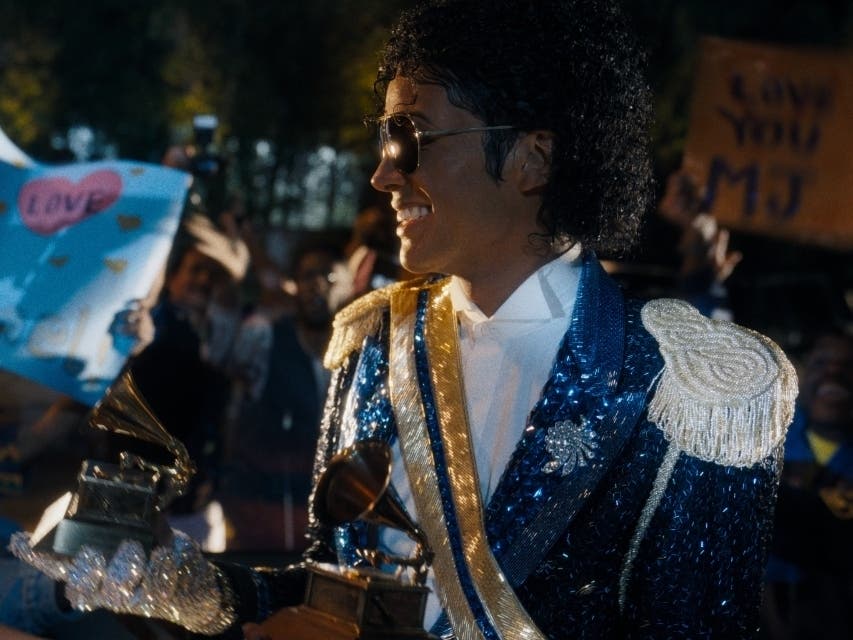
LOS ANGELES, CA — In Antoine Fuqua’s “Michael,” prodigiousness begets greatness at a cost — the erosion of childhood, the burden of expectation, and the machinery of fame that crystallizes around a young performer rising toward stardom. What emerges is the global ascendance of a music genius destined to transcend generations — the one and only Michael Jackson (Jaafar Jackson).
Yet for all its scale and reverence, Fuqua’s film struggles to reconcile the myth with the man. It delivers spectacle with precision and nostalgia with ease, and at times it elicits genuine sympathy for Jackson’s isolation and the pressures that shaped him. But it rarely ventures beyond the surface of his inner complexities, choosing to honor the public persona rather than interrogate the forces that forged it.
Spanning roughly from 1966 to 1988, the film, an estate-authorized production, charts Jackson’s evolution from a gifted child fronting the Jackson 5 to the most successful recording artist on the planet. It moves through the familiar milestones — the Motown years, the breakout of “Off the Wall,” the cultural breakthrough of “Thriller” — while threading in the physical and emotional toll of Joe Jackson’s punishing discipline (Colman Domingo). But the narrative stops short of the turbulence that followed, ending well before the first allegations of sexual abuse surfaced in 1993.
Find out what's happening in Los Angelesfor free with the latest updates from Patch.
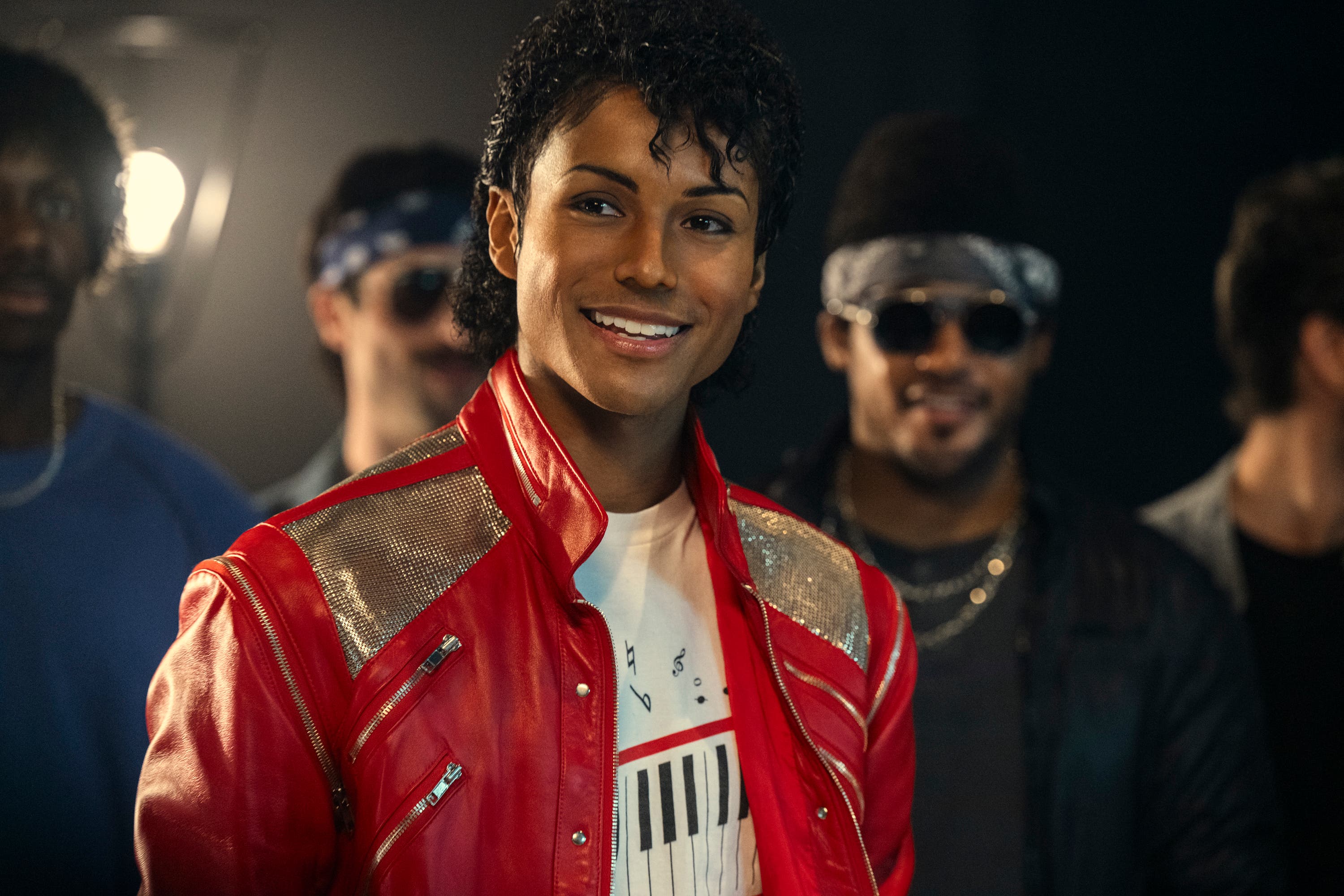
By avoiding the most contested and consequential chapter of Jackson’s life — the years when accusations, denials, and public scrutiny reshaped his legacy — the film sidesteps the very material that could have made a retrospective truly illuminating. Whatever one’s view of those allegations, they remain central to how Jackson is remembered. Omitting them is a missed opportunity to confront or contextualize the narratives that have long clouded his legacy.
Rather than resisting the impulse of authorized biopics to sanitize, protect, and preserve a legacy, “Michael” settles for the safest terrain, surrendering to the very limitation it ought to challenge and transcend.
Find out what's happening in Los Angelesfor free with the latest updates from Patch.
And although a “his story continues” title card before the credits hints at a second chapter, the choice to conclude at the height of Jackson’s fame leaves the film’s portrait conspicuously incomplete.
For all its limitations, “Michael” is far from inert. The film’s most persuasive force is Jaafar Jackson, whose embodiment of his uncle is so fluid and unforced that the performance often transcends the script surrounding it. He captures the physicality, the shyness, the flickers of vulnerability, and the electric precision of Jackson’s stage presence.
The musicality of his voice humanizes Michael, nowhere more than in his delivery of one of the film’s more poignant lines — “You’re strong. You’re beautiful. You’re the greatest of all time,” a moment so tender, unguarded, and quietly true it’s as if the King of Pop briefly stepped back onto the stage.
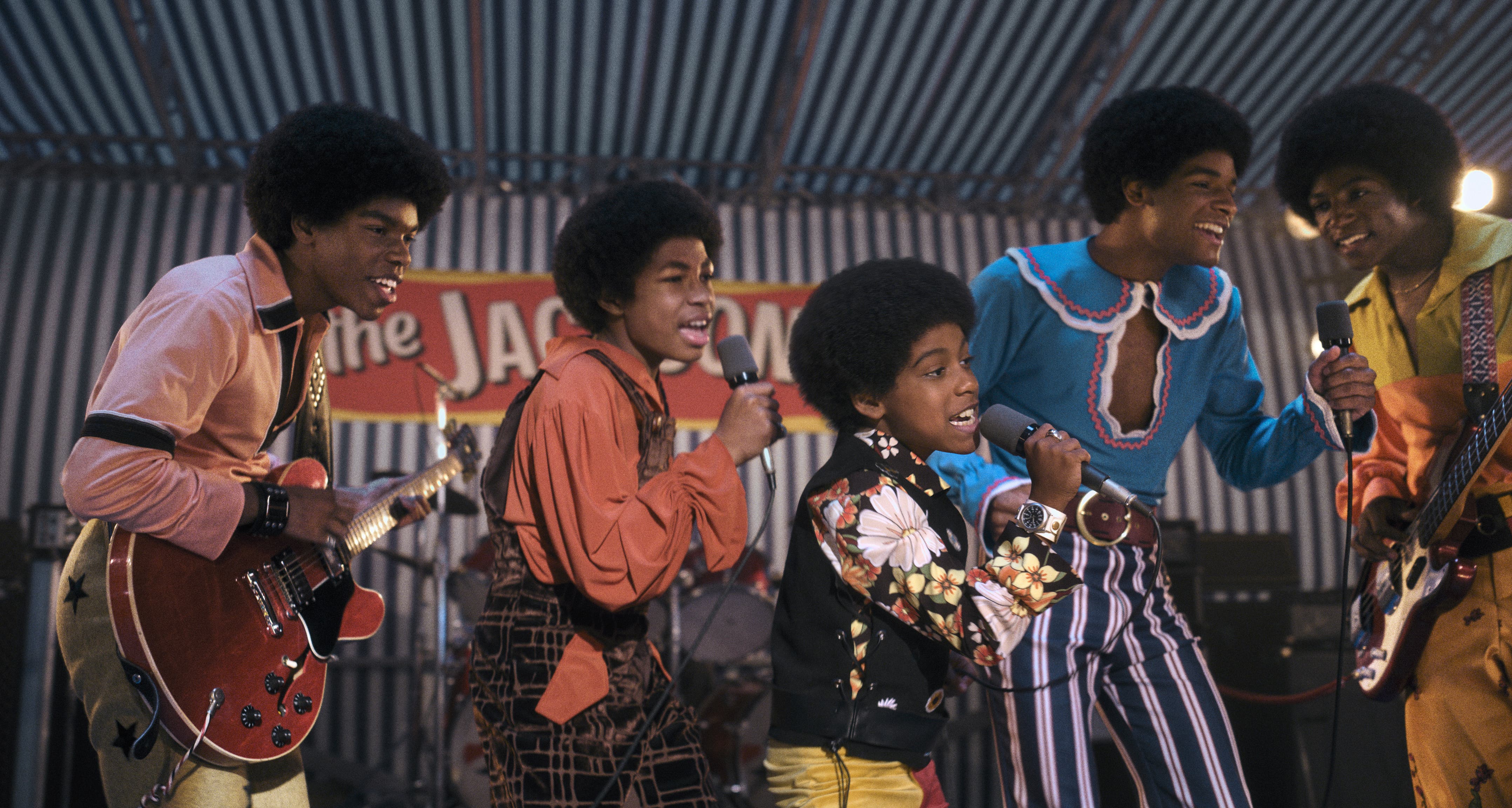
Fuqua’s staging of the musical sequences is equally assured. The recreations of the Motown 25 performance, the “Thriller” choreography, and the early Jackson 5 numbers have a kinetic charge all their own. Even the production design — from rehearsal rooms to recording studios to the increasingly elaborate concert stages — carries a tactile authenticity that grounds the spectacle in something lived-in rather than mythic. In these moments, the film feels closest to capturing the creative force that made Jackson singular.
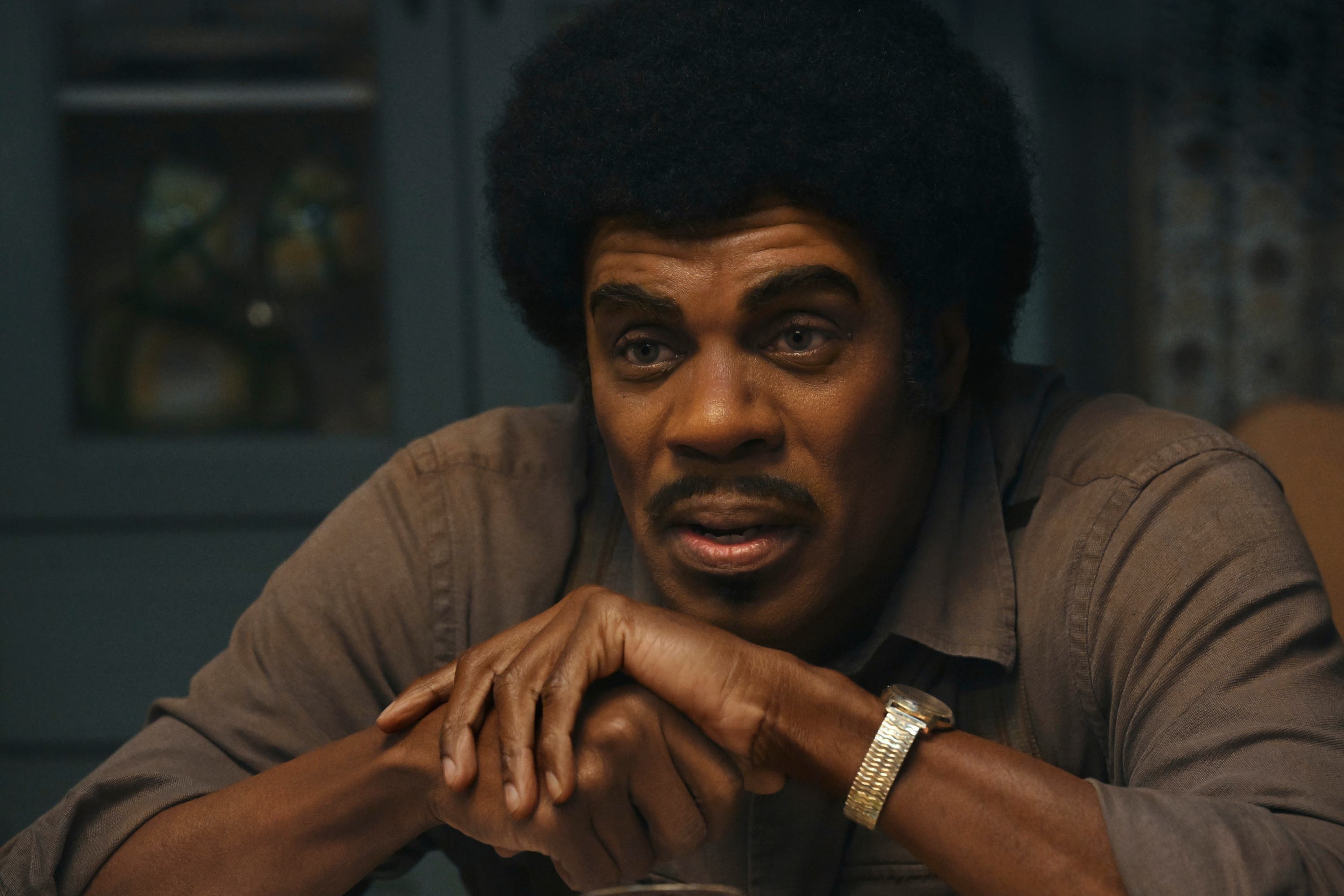
Yet for all the spectacle, the film’s dramatic spine is thin. John Logan’s script leans on conflicts so familiar — Joe Jackson’s abuse, Michael’s long struggle to break free from his father, even the catastrophic Pepsi set burn — that they no longer feel dramatically alive. They’re so culturally absorbed that, without a new perspective or emotional angle, their presence in the narrative feels perfunctory rather than purposeful.
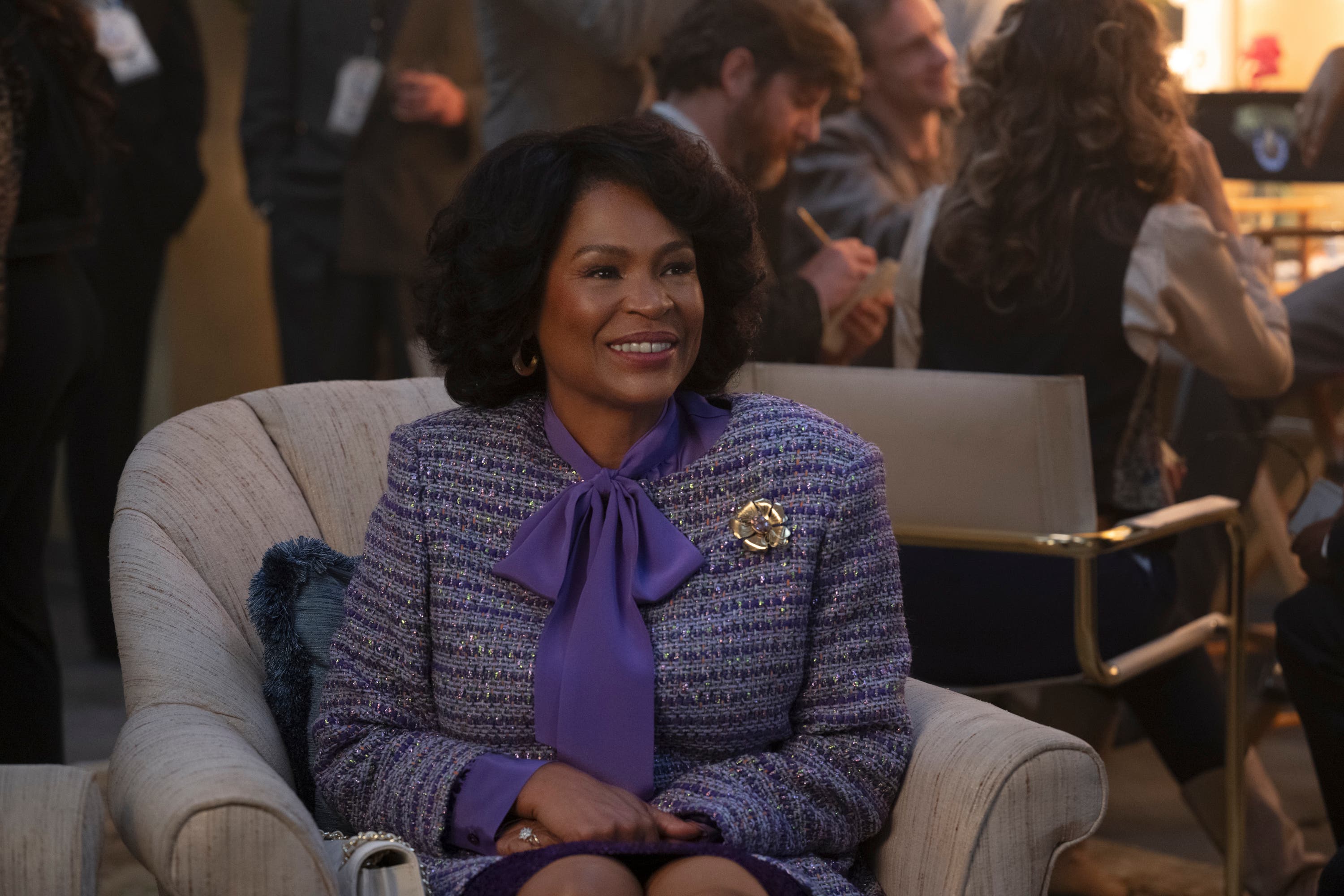
The cast can only do so much within the constraints of the script. Jaafar Jackson, Colman Domingo, and Nia Long — playing the Jackson family’s formidable matriarch — move through each scene with so little space to show depth or range that the performances flatten into impressions rather than emerge as interpretations. Fuqua and cinematographer Dion Beebe try to compensate by flooding the film with tight close-ups, as if proximity alone could conjure intimacy, but the actors simply need more room to do what they do best — act.
In the end, the film’s reverence becomes its limitation, resulting in a portrait that dazzles on the surface but avoids the complexities that might have made it truly illuminating. “Michael” delivers the music, but the coda lands flat — a final note without resonance.
Get more local news delivered straight to your inbox. Sign up for free Patch newsletters and alerts.