Community Corner
The San Andreas Is Overdue For The Big One, And This Might Be Why
A new study ties California's history of major quakes along the San Andreas fault with the water levels at a specific lake.


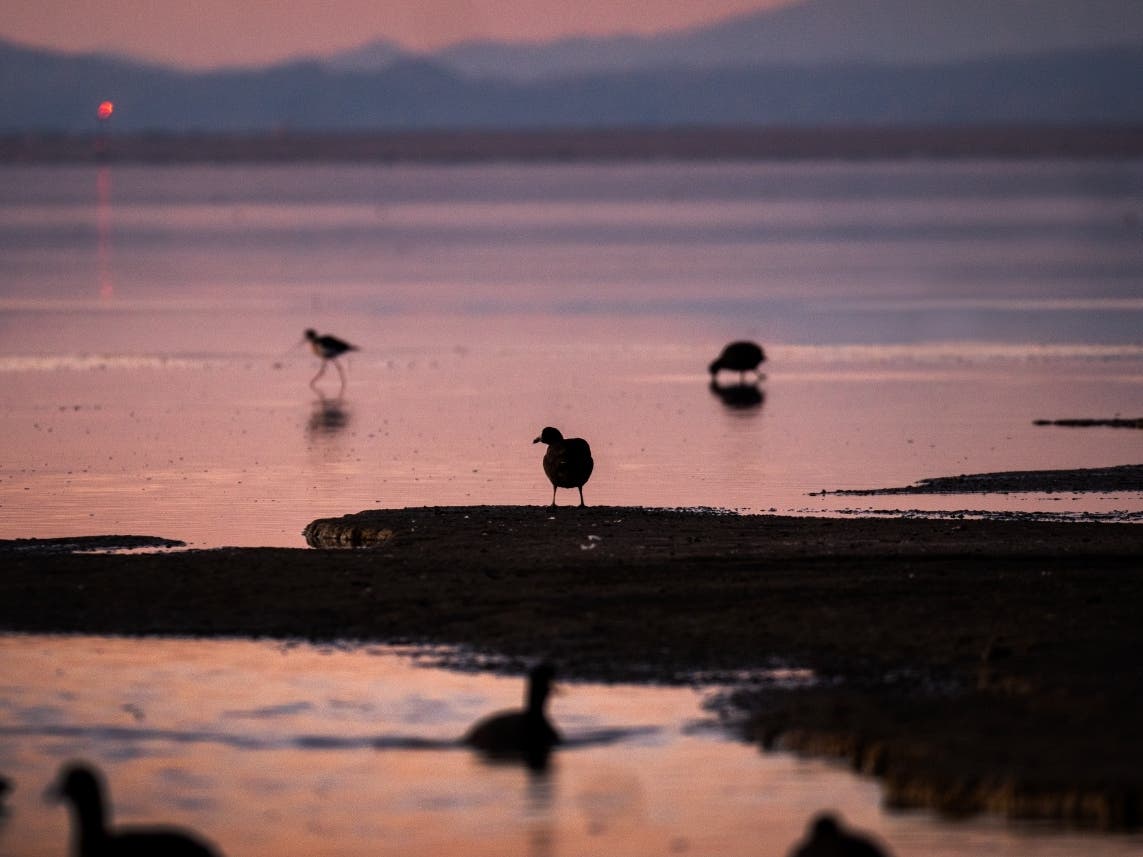
LOS ANGELES, CA — No one these days has fond memories of fishing with Grandpa at the old Lake Cahuilla. No one ever wakeboarded or water skied at Lake Cahuilla* either. Most people have never heard of the ancient Southern California lake, but it's all the buzz among seismologists this week thanks to a study that link's California's history of major earthquakes with the water levels at the former lake.
According to researchers at San Diego State University and the Scripps Institution of Oceanography in La Jolla, the San Andreas fault has a history of unleashing massive earthquakes every 180 years, give or take 40 years. As of now, it's been about 300 years since the last really 'Big One' shook Southern California. It's also been about 500 years since Lake Cahuilla stretched from the Coachella Valley to Imperial Valley. Researchers contend that the Lake's dry spell may explain the San Andrea Fault's dry spell as well.
According to the authors of a study published this week in the peer-reviewed journal Nature, major quakes along California's famous faultline happened when Colorado River-fed Lake Cahuilla was at its fullest. The swollen lake put massive pressure upon the fault, scientists concluded.
Find out what's happening in Los Angelesfor free with the latest updates from Patch.
The impact of the 'hydrologic loads' likely increases fault-stress enough to trigger massive quakes on the San Andreas Fault, which has a southernmost point right where the Lake used to be, according to researchers. Additionally, two other faults — the San Jacinto and Imperial faults — also originate in the area of the former lake.
"Here we use new geologic and palaeoseismic data to demonstrate that the past six major earthquakes on the SSAF probably occurred during highstands of Lake Cahuilla," the scientists wrote.
Find out what's happening in Los Angelesfor free with the latest updates from Patch.
While the disappearance of the lake and the fault-stress it caused may explain why it's been so long since the last major quake along the San Andreas Fault, it doesn't mean the threat is gone.
“We are not trying to predict any earthquake that is going to happen in the future, but we might be able to say why we haven’t had one in the last 300 years,” Ryley G. Hill, a Ph.D. candidate in the Department of geological sciences at San Diego State University and the Scripps Institution of Oceanography told the New York Times.
Nevertheless, the 300-year gap between major quakes of magnitude 7.0 or more means that pressure has been building as tectonic plates move opposite each other. Experts agree that it's not a matter of if the Big One is coming but when.
Seismologists have been warning for years that Southern California is overdue for an 8.0 magnitude earthquake courtesy of the San Andreas fault. To put that into perspective, an 8.0 quake is 60 times more powerful and six times longer than the 1994 Northridge quake that killed 57 people, injured thousands and caused tens of billions in damage.
The last big quake along the state’s longest faultline was a 7.8 temblor in 1857.
Earthquake simulations show several densely populated areas that would be hit hardest if the Big One strikes. A quake epicentered in the Salton Sea area, which now sits in the middle of the former lake bed of Lake Cahuilla, would send some of the hardest jolts to the Coachella Valley region and East Los Angeles where loose sediment ensures residents could endure a full two minutes of hard shaking.
According to the U.S. Geological Survey, an 8.0 magnitude quake could kill more than 1,800 people, injure 50,000 more and cause hundreds of billions in damage.
Historically, large earthquakes of that size have caused soil liquefaction in coastal areas and the Los Angeles basin where trees can actually sink into the soil.
- Secure tall heavy, furniture to the walls
- Create an family disaster plan including backup means of communicating with one another if cell phone towers are down such as designating an out of state relative to serve as a point of contact, or establishing an emergency family hashtag for communicating
- Maintain an earthquake survival kit including: a first aid kit, food and water for a week, medications, spare eyeglasses and contact lens solution, copies of ID cards and insurance cards, pet supplies, flashlight, blankets, batteries, solar powered chargers, a whistle, cash, list of important phone numbers, Toiletries, plastic bags, cooking utensils, a wrench to turn off gas and water
HOW TO SURVIVE:
Drop cover and hold on. Doorways are no longer considered a safe place to wait out a quake. Experts advise taking cover under sturdy furniture. Evacuate when it is safe to do so.
*Note: A modern-day Lake Cahuilla— which is different from the prehistoric body of water of the same name — can still be found in Riverside County. The current lake is 135 acres and is located in a reservoir at the northern end of the Coachella Canal.
Get more local news delivered straight to your inbox. Sign up for free Patch newsletters and alerts.