Crime & Safety
Vaccinated CA Employees Face New Workplace Pandemic Restrictions
California's workplace regulators extended and revised some controversial pandemic restrictions into next year.


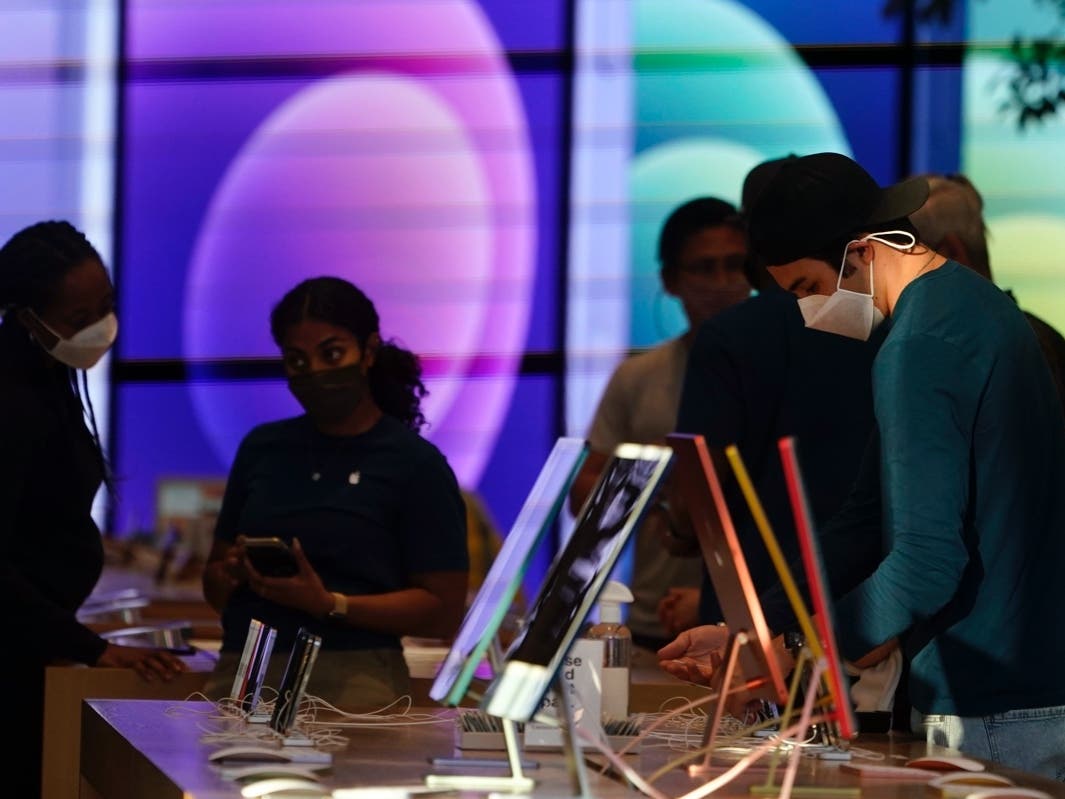
CALIFORNIA — The Golden State's workplace regulators this week extended coronavirus pandemic regulations into next year and made revisions that have been met with criticism as the state continues to suffer a labor shortage.
The revisions add rules for vaccinated employees and state that they must wear masks and stay 6 feet away from others for 14 days if they return to work after being exposed to someone infected with the virus, according to the state.
Currently, vaccinated employees can work without restrictions unless they show symptoms. Alternatively, an unvaccinated worker must quarantine for two weeks after coming into contact with a sick person.
Find out what's happening in Los Angelesfor free with the latest updates from Patch.
The new rules that take effect Jan. 14 for three months in the most populous state were approved by the California Occupational Safety and Health Standards Board. The seven-member safety board is the policy-making arm of what is known as Cal/OSHA. It adopted the revised rules without discussion on a 6-1 vote.
The news comes as health officials scramble to learn more about the severity of the omicron variant as it ripples through the state.
Find out what's happening in Los Angelesfor free with the latest updates from Patch.
According to a University of Hong Kong study released Wednesday, Omicron infects people around 70 times faster than the currently dominant Delta variant and the original COVID-19 strain, though the severity of illness is likely to be much lower.
Despite the uncertainty surrounding the variant, business groups argued that tightening regulations in the workplace could place strain on small businesses, where social distancing at work will be challenging or impossible in some cases.
"Treating vaccinated and unvaccinated people similarly really denies the scientific value of the vaccine and disincentivizes vaccination," said Rob Moutrie, a policy advocate for the California Chamber of Commerce.
Labor advocates, on the other hand, lauded the new protections.
"It’s good that we’re realizing that vaccines aren’t the silver bullet to get us out of this,” said Mitch Steiger, a legislative advocate for the California Labor Federation. “There’s never a good time to start disarming against COVID-19."
The California Chamber of Commerce led a coalition of about 60 business groups arguing in a letter to the state safety board that vaccinations are still largely effective and usually prevent serious illness and death even if there are breakthrough infections.
The groups warned that the new rules to require testing of vaccinated workers with no symptoms could strain the availability of rapid tests and boost employers’ costs. The rules apply to almost every workplace in the state, including offices, factories and retail locations.
The new rules "will only worsen the present labor shortage affecting California workplaces," Moutrie said. "Moreover, reinstituting social distancing on a per person basis is just not feasible in many work places."
Motion Picture Association of America vice president and senior counsel Melissa Patack told the board that the rules aren’t possible for filming movies, television shows or commercials.
Workers who style hair and makeup for actors also cannot stay 6 feet apart, she argued, adding that the new rules could result in the shutdown of many productions, she said.
Other proposed rules to be considered in March could eliminate mandatory employer-paid sick leave for workers who get infected with the virus or are exposed to it — a possible change that would anger labor groups.
Doing away with it would mean that "workers will be forced to make the impossible decision of going to work while sick or staying home without pay," Stephen Knight, executive director of the labor advocacy group WorkSafesaid in an online petition to the Cal/OSHA Standards Board.
New regulations were announced a day after California reinstated its indoor mask mandate for both vaccinated and unvaccinated people to defend against the threat of the new omicron variant as the holidays approach.
As of Saturday, California had a testing positivity rate of 2.8 percent, according to the state, elevated from 2.2 percent exactly one month ago.
Amid rising cases public health officials in the state are pleading with Californians to get a booster shot.
"Especially as we see an uptick in cases and hospitalizations statewide, we can’t stress enough the importance of scheduling your appointment today if you need a first or second dose or booster," California Department of Public Health officials wrote in a news release.
On Friday, the state officially recommended the preferred use of Moderna and Pfizer vaccines over the Johnson & Johnson vaccine as new data suggested that a rare blood clotting syndrome was more common than previously believed.
Nine people have died from the blood clotting syndrome, according to the Centers for Disease Control and Prevention.
The Associated Press and City News Service contributed to this report.
Get more local news delivered straight to your inbox. Sign up for free Patch newsletters and alerts.