Community Corner
Nonprofit Spotlight: Helping Feet
This organization teaches people from developing countries about starting a business.
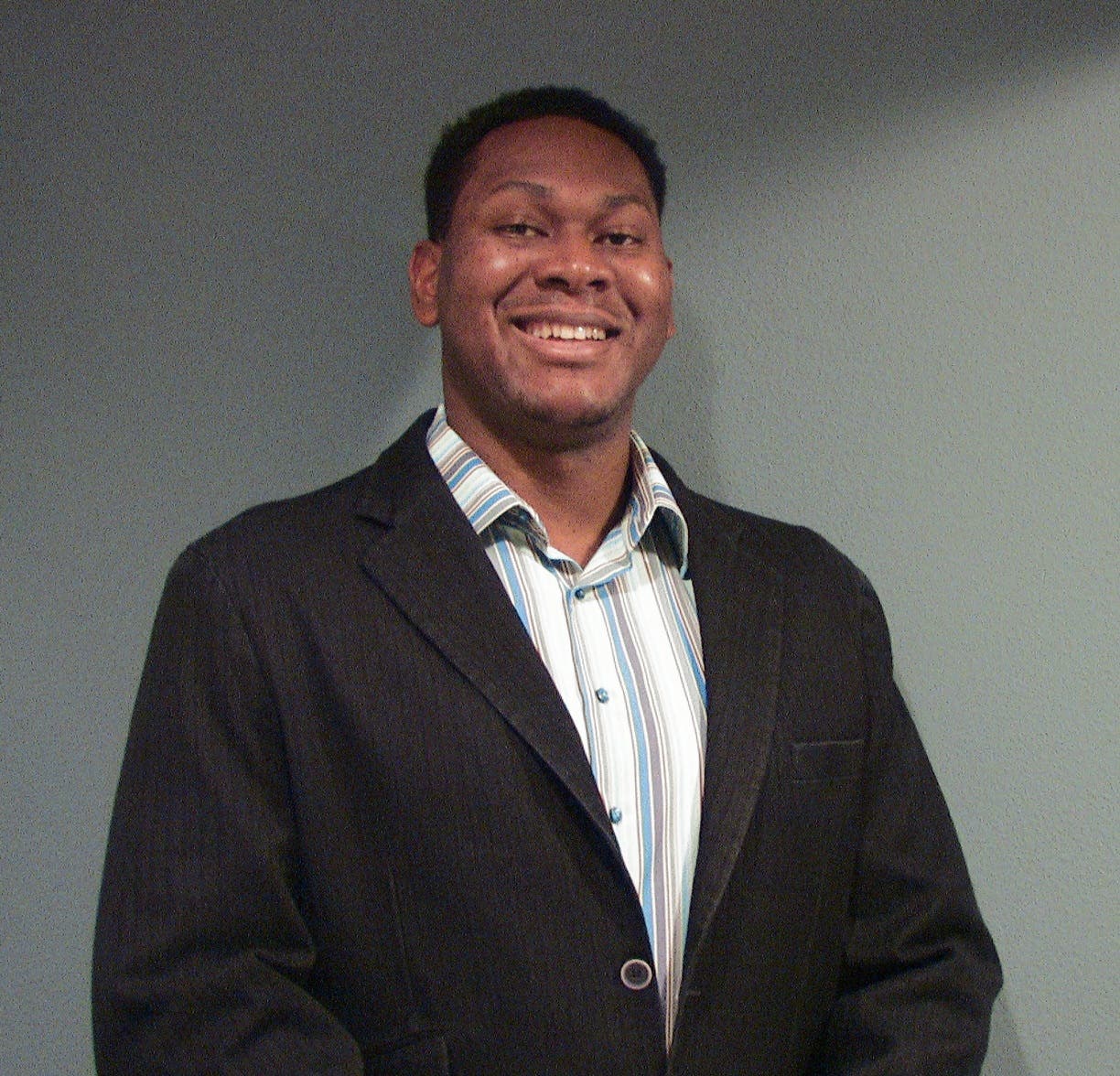
Three years ago George Egbuonu started his nonprofit Helping Feet, which is focused on teaching people from developing countries how to start a business and helping them understand finance.
"It all started with trying to help people in a way that is substantial," Egbuonu said. "Seeing a lot of people try to help, I have learned the best way to help someone is not to just give them stuff. Giving them cash and walking away is not connecting with people. For me, I've always felt that this was a better way to help people long term. It's a 'teach a man to fish' mentality. I'd rather help their whole family and generations to come."
Manhattan Beach Patch: When and how did you get started?
Find out what's happening in Manhattan Beachfor free with the latest updates from Patch.
George Egbuonu: In 2007. It took us a while to get the 501(c)3 certification, and lots of donors pledged money to us before we could take it. After we [became certified], one of the most frustrating challenges we faced was that most of the donors were no longer able to give us their pledges, due to the recession.
Patch: What has been a highlight of your organization's tenure?
Find out what's happening in Manhattan Beachfor free with the latest updates from Patch.
Egbuonu: We had a financial literacy workshop a few years ago where we brought in other people from underprivileged backgrounds and had a whole training session. At the end of the session the feedback we got made it worth it. A lot of the people had never had any financial training in their lives. They really didn't understand how money worked, and for us that's the most important part of having a business, to know what not to do and how to balance a checkbook, things that seem obvious. That was the most rewarding exercise, having gone through the workshop, getting feedback from the participants saying we changed their lives.
Patch: How has the economic downturn affected your membership, donations and interest?
Egbuonu: We have had more people willing to pledge their services when they are not able to come through financially. We have Ph.D.s and M.B.A.s who want to be part of the workshops. We have a company called Mama Healthy that provided lots of products, like T-shirts for training sessions. In a way we have gotten a lot more actual service.
Patch: What is coming up for the organization in the next five years? Do you have any ideas for new directions or focus?
Egbuonu: What we are working on is an exchange program to bring in young adults, especially women from developing countries here into the U.S. for a six-week boot camp, to learn how to make a business plan and about crucial entrepreneurial skills, so they can go back to their own countries and set up businesses. We find that young people and women are the breadwinners, so if we help teach them they don't have to wait for handouts from Western countries. They can get some exposure. We set them up with businesses online who set them up with microfunding. That's our major goal for the next couple of years.
Patch: What gaps do you think you are filling with your nonprofit?
Egbuonu: The gap is providing financial education. A lot of nonprofits provide handouts to people, and that doesn't really help, to give someone something without teaching them. They become more dependent without being able to stand on their own. You can go through school and not learn anything about money. People don't know about money or credit and how it works, and it's kind of shocking. In a workshop someone thought a credit card was free money. That's how people look at it. They don't understand its impact on their future and the lost opportunities in terms of employment or mortgage, just because of a small error. People ruin their lives for as little as $200, just because they didn't know how to manage their credit properly. It's usually people from disadvantaged backgrounds who have never had any exposure to it. They can move their life forward by doing what we teach them.
For more information or to donate, visit the Helping Feet website.
Know of a Manhattan Beach-based nonprofit in need of wider recognition for its work? E-mail the editor at andrewk@patch.com.