Politics & Government
President Obama Signs DNA Bill Into Law
Katie Sepich Enhanced DNA Collection Act of 2012 is named after Katie Sepich, a college student who was raped and murdered in 2003 in New Mexico. Rep. Adam Schiff helped sponsor the bill.


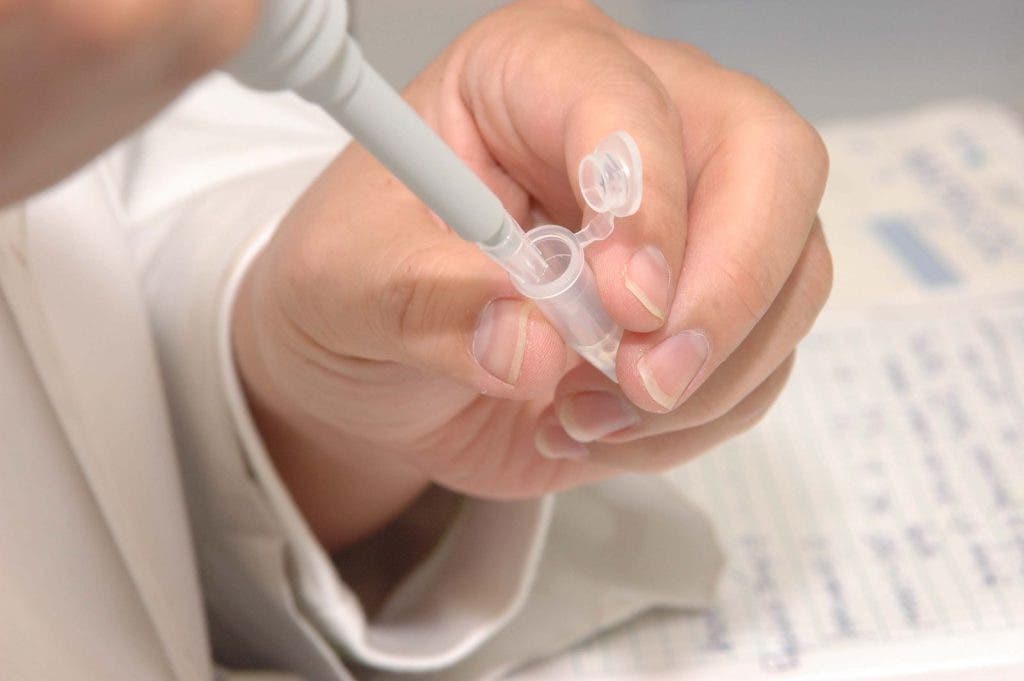
President Barack Obama signed Rep. Adam Schiff’s (D-Burbank) legislation, the Katie Sepich Enhanced DNA Collection Act of 2012 (H.R. 6014), into law Thursday, officials announced.
Katie's Law was originally introduced by Schiff in 2010 and bears the name of Katie Sepich, a college student who was raped and murdered in 2003 in New Mexico.
Her attacker was arrested several times over subsequent years but was never linked to Katie’s murder, as his DNA was not collected until 2006.
Find out what's happening in Montrose-La Crescentafor free with the latest updates from Patch.
“I’m so pleased that President Obama today signed this important legislation – Katie’s Law is a vital tool for law enforcement to help save lives and prevent future crimes,” said Schiff in a prepared statement.
“By improving our DNA system, we will make sure that more violent and serious crimes are solved, and we take more felons off the street every year. This legislation – now law – is another tool in law enforcement’s toolkit. Just as we fingerprint arrestees and those convicted of crimes, it makes absolute sense to collect a DNA profile when someone is arrested for a violent felony, and this bill will encourage states around the nation to join California and other states that have adopted arrestee testing,” Schiff said.
Find out what's happening in Montrose-La Crescentafor free with the latest updates from Patch.
Katie’s Law a program to provide grants to states which implement DNA collection programs for arrestees of murder, sexual assault, kidnapping, burglary and aggravated assault.
States are allowed to collect DNA for a larger subset of crimes but must do so for those felony crimes, according to a news release. The bill uses funding sources within the Debbie Smith DNA Backlog Reduction Act and specifies that up to $10 million in each fiscal year from 2013 to 2015 may go to grants to states under Katie’s law.
DNA testing helped solve a series of 12 rape and murder cases committed by one man in Los Angeles.
In 1987, Chester Turner was arrested for assault in California, but freed due to a lack of evidence. DNA technology was in its infancy at the time and Turner’s DNA was not taken during his arrest.
Turner continued to terrorize a Los Angeles community and was arrested nineteen more times before being convicted of rape in 2002.
Only then was his DNA profile taken, and it matched evidence found on twelve rape and murder victims, the first murdered only two months after his 1987 arrest. Had California taken his DNA when he was first arrested, as is now required under state law, his decades long crime spree could have been prevented or cut short, according to a news release from Schiff.
Follow Montrose-La Crescenta Patch on Facebook, Twitter or subscribe to the newsletter.
Get more local news delivered straight to your inbox. Sign up for free Patch newsletters and alerts.