Health & Fitness
“The School for Good and Evil” Serves as Psychological Analysis Behind Fairytale Personas
Blogger Lauren Lola reviews a fairytale for the first time in 11 months, but one with a more psychological twist.

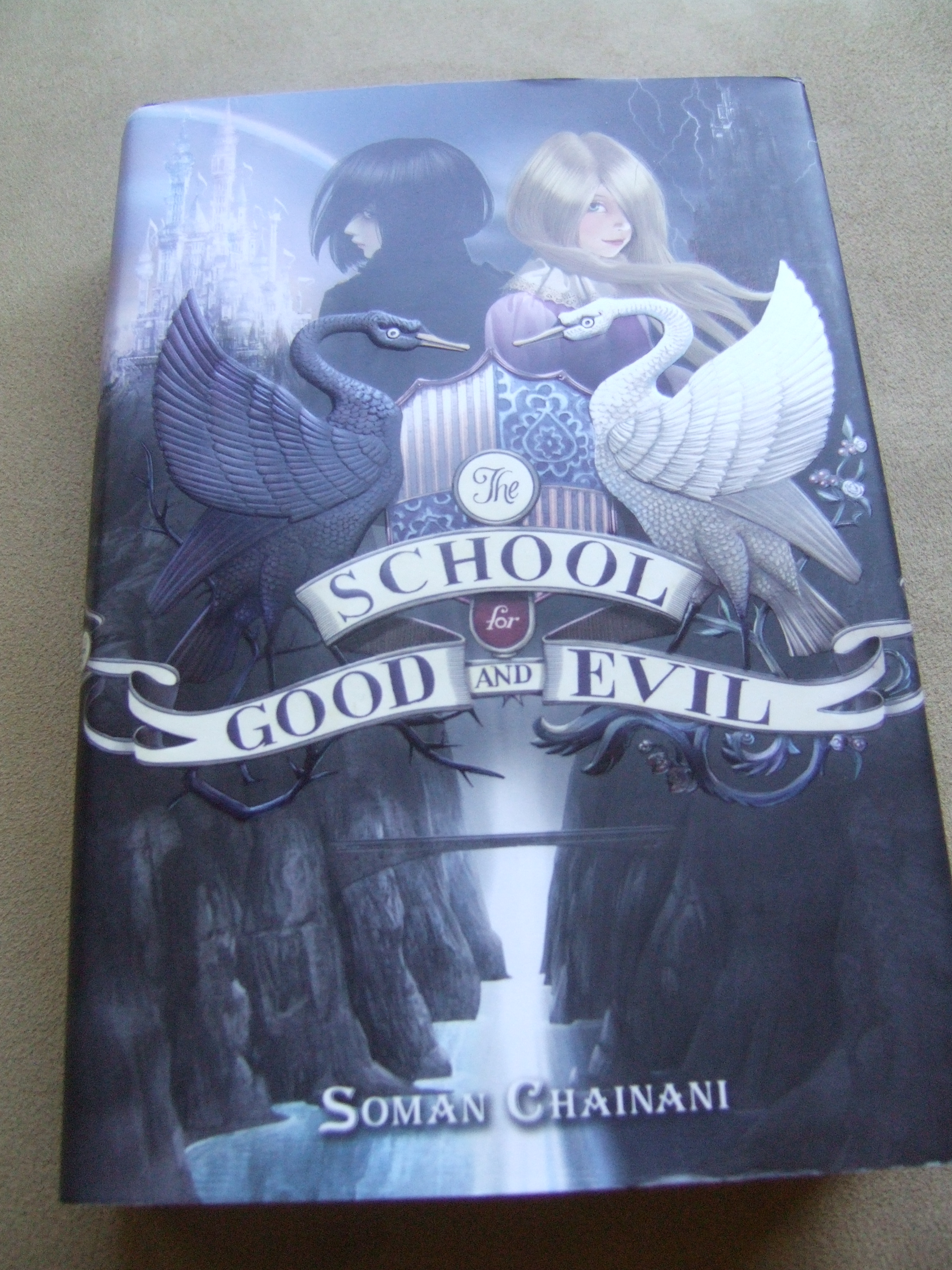
Imagine a world where the only mechanism of survival is through a fairytale and that having the persona of good or evil is predestined. In the case of Soman Chainani’s debut novel, “The School for Good and Evil,” that’s exactly what the reader is to encounter, as they are engulfed into a world of Evers and Nevers.
Originally released on May 14, “The School for Good and Evil,” which reached #7 on the New York Times Bestselling List, follows two best friends, Sophie and Agatha. With her good looks, deeds to others and dreams of falling in love with a prince, Sophie believes with all her heart that she is sure to get into the School for Good. In the case of Agatha, who prefers the color black to wear all the time, lives near a graveyard and for the most part hates everyone, she may as well been accepted to the School for Evil the minute she was born.
But then the peculiar thing happens when both girls arrive at the schools; they wind up switched up and much to their evident disgusts. While Agatha is forced to wear pink, take princess etiquette classes and is surrounded by Prince Charming-wannabes, Sophie takes Uglification classes, lives with creepy roommates and is at one point stuck in a room called the Doom Room.
Find out what's happening in Newarkfor free with the latest updates from Patch.
Sophie and Agatha try in every way possible to get into the schools where they believe they belong, but during their stay at their respective schools, they learn more about who they are and what they are capable of doing.
Growing up without cable or Internet, Chainani religiously watched the Disney adaptations of classic fairytales. According to an interview on Yahoo!, he was so heavily drawn into the films that he believed them to be real versions of the stories. It wasn’t until he was in college did he read the real fairytales and was completely shocked at stories of children losing limbs and even their lives.
Find out what's happening in Newarkfor free with the latest updates from Patch.
Hence the development of “The School for Good and Evil,” for Chainani was drawn to the subject matter of the definitions of good and evil; in regards to what they really are and what they are otherwise perceived as.
There were some plot elements that would have been better off left out or developed further. An example can be that both Sophie and Agatha come from one-parent households. This tends to be a cliche maneuver in young adult fiction nowadays where a parent has died or had just disappeared somehow. It gave zero substantiality to the overall story. However, seeing that “The School for Good and Evil” is the first of a trilogy, I’m hoping for that aspect to be enhanced further in the future books.
Another example can be a murder that takes place at one point in the book. It isn’t as heavily addressed at all within the time following it. While it serves purpose for the individual who committed it, it didn’t have as concrete of an aftermath that it could have had otherwise. Again though, this may all be in the case of saving for further explanation in the later books.
There’s even the case of the relationship between Agatha and Tedros, the son of the late King Arthur. There wasn’t as much development between the two and by the time the book has reached its climax, their relationship instantly shifted from one state of being to another. Even though Tedros was more of a secondary character as opposed to Agatha and Sophie, Chainani could have polished that aspect of the story a little more.
Overall though, the book was excellently written. I was hesitant when I first started reading it, seeing that dividing people into either good or evil and no in between is too polarizing, thus more at risk of having a not as believable story. But with the fact that the book does address that issue, it makes for a more in depth read than expected out of the average young adult novel.
“The School for Good and Evil” can even be seen as an analysis for the psychology for fairytales; in regards to the motivations behind both heroes and villains, what drives them to get to their varying states of mind and the transformations to what the characters eventually become. In a way, the book reminded me in some way of the famed Gregory Maguire novel, “Wicked,” for it too incorporates similar thematic elements.
Psychologically-driven in a world that’s as dangerous as the wizarding world in the “Harry Potter” series, Chainani’s debut was very well done and definitely worth the read. The remaining books of the trilogy are to come out the next few years and the book is already slated to be adapted into a movie.