Neighbor News
Orange County High School Students Need to Learn Life Saving CPR Skills
California is excluded from a list of 27 states that by law make CPR training mandatory in high schools. Changing this, could save lives.
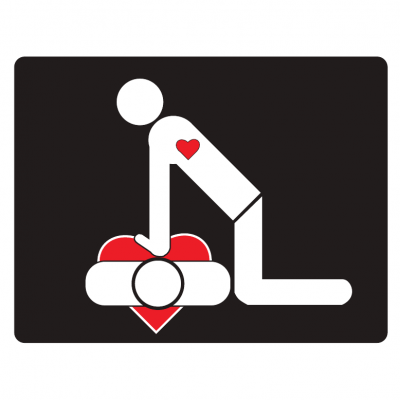

Picture yourself coming home one afternoon only to find a loved one on the floor in a state of cardiac arrest. You are afraid and nervous; however, you calm yourself down because you remember you took cardiopulmonary resuscitation (CPR) training back in high school a few years ago and you end up saving your loved one’s life. Now, picture yourself in that exact situation but you lack the CPR skills necessary to help your loved one. The latter scenario emphasizes the important effect CPR can have on saving a life. California is excluded from a list of twenty-seven states that by law make CPR training mandatory in high schools. It is a tremendous accomplishment that now twenty-seven states make hands-on CPR training a requirement, however I believe that California needs to join this legislation. CPR training will increase the survival rates of out of hospital cardiac arrests (OHCA), will increase the number of bystanders equipped with necessary CPR skills, and teach an important life skill to high school students. The American Heart Association (AHA) states that cardiac arrest, a sudden loss of heart function, is a leading cause of death in the United States. Cardiac arrest can affect those who may or may not have diagnosed heart disease. The AHA reports that almost 326,000 OHCA occur every year. Less than eight percent of OHCA victims survive. Increasing public health knowledge of CPR can help reduce the large number of deaths due to OHCA. An AHA Science Advisory states that bystanders who are equipped with the skills necessary for CPR are important in determining the survival rates of OHCA. In fact, survival rates can double or even triple if individuals other than health care professionals utilize CPR until advanced medical treatment arrives at the scene. Targeting high school students is important because they represent a large percentage of the community. Students who are trained in CPR will increase both the number of CPR bystanders and the community response to OHCA. The AHA reports that four out of five OHCA occur at home. Thus, students trained in CPR will be able to utilize these skills to possibly saving a loved ones life at home. High school students could also potentially be present during a medical emergency that requires immediate attention outside of school. During my years of education, I was taught to excel and learn in subjects such as mathematics, science, history and writing. I still have conversations with my peers to this day discussing how the education system lacks in teaching important life skills that students will remember and incorporate into their lives. Being CPR certified is one of those fundamental life skills that could potentially help save a life. In the summer of 2009, a boy named Cody was found at the bottom of a swimming pool and was revived by a bystander named Jennifer. Jennifer learned CPR in high school a couple years prior to the incident and was able to use this knowledge to help save Cody’s life. Jennifer’s ability to recall this information signifies that CPR in high schools should be as essential as learning other subjects because it is a life skill that can be utilized in the event of an emergency. AHA notes that more than one million students across the United States will be CPR certified prior to high school graduation. It makes me wonder why California has not taken initiative into making CPR certification a requirement for graduation. Targeting high school students will greatly increase the survival rates of OHCA victims, increase the number of CPR bystanders, and teach high school students an important life skill. Learning mathematics, science, history and writing are very important subjects to learn; however, being able to potentially save a life is just as important.
Essay by Yara Altaher. Yara is a student at the University of California, Irvine and will receive her Bachelors of Science degree in Public Health Sciences. In addition, Yara currently serves as an intern for the American Heart Association.