Community Corner
Wildfire Smoke Extends Spare The Air Alert Through Friday
Smoke combined with high temperatures and vehicle exhaust may also cause unhealthy smog accumulation in the Bay Area, the air district said.


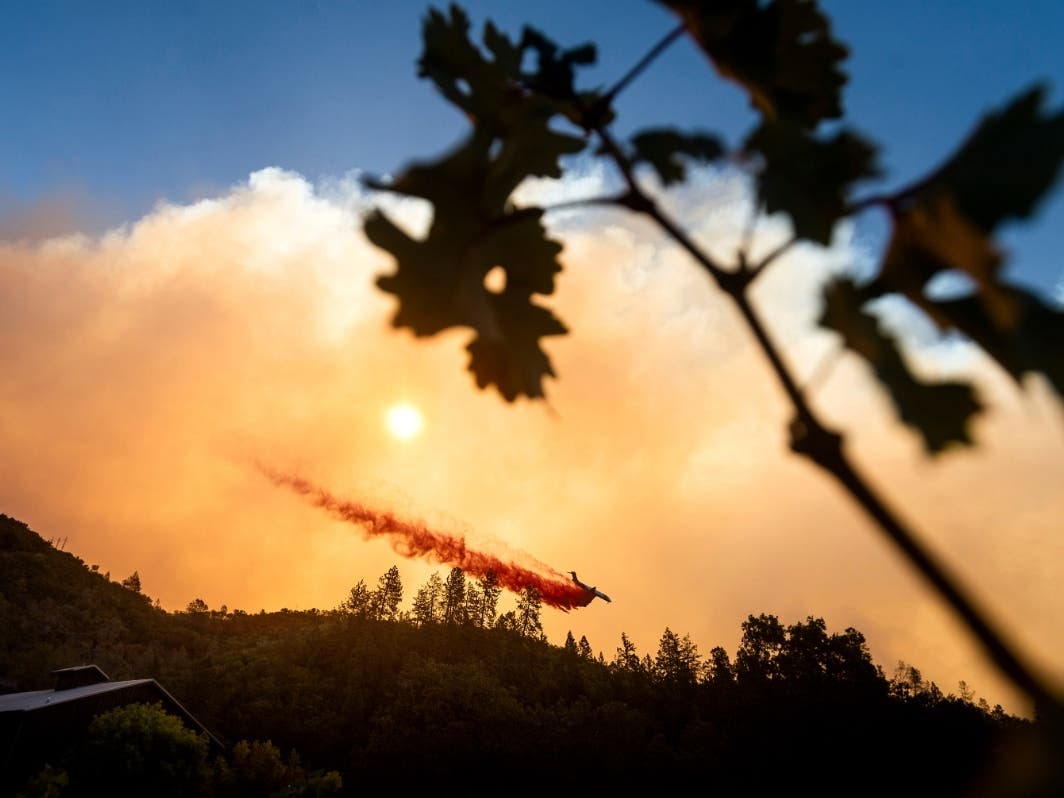
BAY AREA, CA — Wildfire smoke from the Glass Fire in the North Bay continues to impact the San Francisco Bay Area, prompting the Bay Area Air Quality Management District to extend the Spare the Air alert through Friday.
Wildfire smoke combined with high inland temperatures and vehicle exhaust may also cause unhealthy smog accumulation in the Bay Area, according to the air district.
Also see: Glass Fire Engulfs 11,000 Acres In Napa, Sonoma Counties
Find out what's happening in Novatofor free with the latest updates from Patch.
"Smoke from the Glass Fire will continue to impact the region throughout the week," said Jack Broadbent, executive officer of the air district, which is the regional agency responsible for protecting air quality in the nine-county Bay Area.
"Residents should monitor air quality closely and avoid exposure if smoke reaches unhealthy levels."
Find out what's happening in Novatofor free with the latest updates from Patch.
Spare the Air Alerts are issued when ozone or particulate matter pollution is forecast to reach unhealthy levels. It is illegal for Bay Area residents and businesses to use their fireplaces, wood stoves, pellet stoves, outdoor fire pits or any other wood-burning devices during a Spare the Air alert for particulate pollution.
Smoke can irritate the eyes and airways, causing coughing, a dry scratchy throat and irritated sinuses. Elevated particulate matter in the air can trigger wheezing in people who suffer from asthma, emphysema or chronic obstructive pulmonary disease. Children, seniors and people with respiratory illnesses are particularly susceptible to elevated air pollution levels and should take extra precautions to avoid exposure.
Smog can cause throat irritation, congestion, chest pain, trigger asthma, inflame the lining of the lungs and worsen bronchitis and emphysema. Long-term exposure to smog can reduce lung function. Smog is particularly harmful for young children, seniors and people with respiratory and heart conditions.
Get more local news delivered straight to your inbox. Sign up for free Patch newsletters and alerts.