Arts & Entertainment
Getty Exhibit Showcases 19th Century China
This exhibit offers an absorbing, comprehensive look at the Middle Kingdom through photographs.
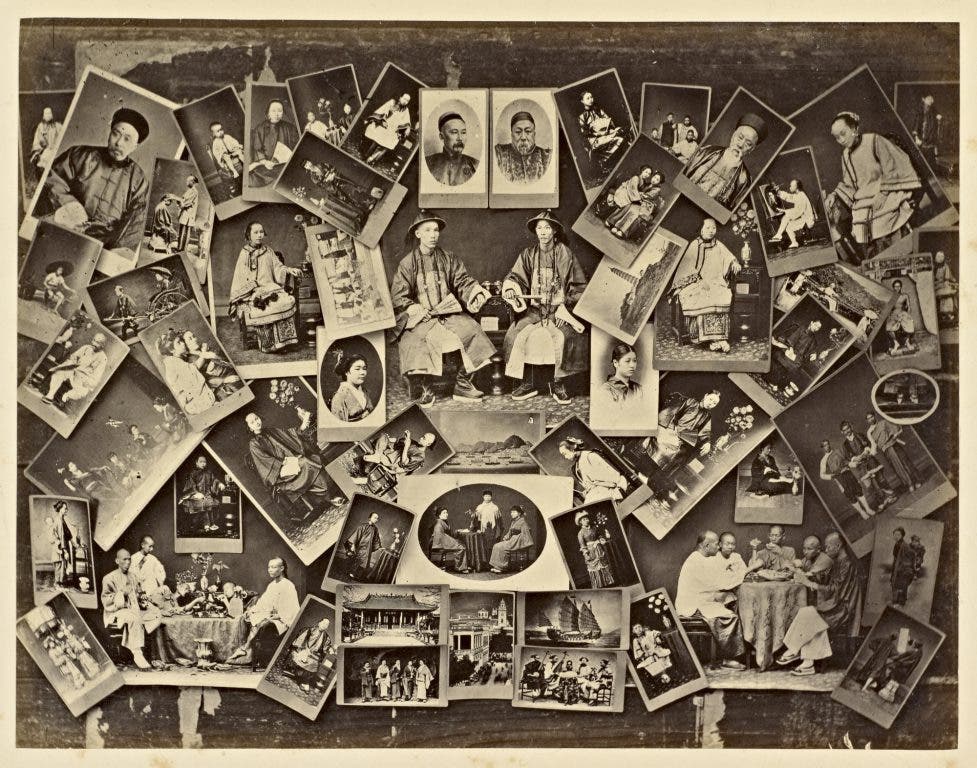


Chinese photography has taken center stage in Los Angeles in recent months, including three Getty Museum exhibitions spanning three centuries. One of them, Brush and Shutter: Early Photography of China (which runs through May 1) reveals an intriguing collection of images of the Middle Kingdom.
“The main theme of the exhibition is when photography was introduced in the 1840s, and taken up by Chinese export artists,” said Frances Terpak, curator of photographs at the Getty Research Institute. “The artists were centered in Guangzhou and created works bought or commissioned by Western clients to take back to the West.”
Before that time many foreigners' only exposure to China was through stereotypical scenes of pretty gardens and pagodas on tapestries, wallpaper and white-and-blue porcelain, said Terpak. When artists began grafting "the brush" onto "the shutter," photography revealed an exciting new world and dramatically changed Western perceptions of the empire.
Find out what's happening in Pacific Palisadesfor free with the latest updates from Patch.
“Until now, these early photographs have received scant attention,” said Terpak. “This exhibition helps provide a historical and visual background for understanding modern and contemporary China and its current relation with the West.”
Several years in the making, Brush and Shutter features more than 100 works and an ample dose of background information, thanks to the efforts of Terplak and fellow curator Jeff Cody.
Find out what's happening in Pacific Palisadesfor free with the latest updates from Patch.
“Above all else we wanted to tell it from a Chinese perspective,” said Terplak. “It opens up a door from a previously one-sided view. Plus, what we wanted to do is show how photos and other media streaming in and out of the empire contextualize China in visual culture.”
To that end, what makes the exhibit more than just a collection of photos is the variety of works on display and the rich stories behind the images.
On one wall, broad multi-part panoramas and landscapes provide rich geographical insights into legendary locales like Shanghai and Hong Kong, plus relatively unknown places like Woo Chou City. Renowned photographers like Felice Beato share space with unknown artists who successfully learned the intricacies of this new technology.
“The panoramas tell us that the Chinese photographers were as proficient and skillful as their Western counterparts,” said Terplak.
Turn 180 degrees and suddenly there’s a fascinating display of miniature portraits called carte–de-visite (a kind of 19th century mash-up of postcards and Sears family photos). Made popular in France, these photos captured a wide range of subjects, including Chinese families, Persian fire worshipers, and one seemingly out-of-place Anglo subject painted on ivory, entitled Boy in Cavalier Costume.
Another section offers staged, unique slices-of-life, such as A Palace Eunuch, Three Young Coolies; Theatrical Troupe; Funeral Procession of High-Ranking Mandarin, which leave the viewer yearning for more back story on each subject.
In photo albums such as A Frenchman Working in Canton, exquisite detailed handwritten diary notes in the margins capture as much attention as the traveler’s visual exploits. Also of interest is a collection of glass slides from Michel De Maynard, a Franciscan missionary who produced 500 images documenting Chinese life and current events.
A select number of oil paintings and mixed media artifacts also demonstrate how Chinese conflicts were hot news topics in many European households. A good example is The Taking of Canton, a toy war game centered around the 2nd Opium War between China and French/British forces.
“The point was in a Victorian family home you could have had an oil painting and the game alongside,” said Terplak. “The recounting of this conflict was played out with the game.”
Once again, the Getty has created an impressive collection geared to both fanciers of Chinese history and those who enjoy exploring snapshots of exotic cultures. The exhibit has also generated interest in new Chinese educational programs, including courses at UCLA.
“What pleases me is we have captured the academic eye and ear of how important photography is in modern art,” said Terpak.
Those who wish to visit Brush and Shutter might want to explore two other photography exhibits at the Getty—New China and Felice Beato: A Photographer on the Eastern Road. Related events include the April 17 screening of the 1935 Chinese film Scenes of City Life, shown for the first time in the United States.
Brush and Shutter Early Photography of China will continue until May 1.
For more information, call 310-440-7300 or click here.