Schools
iPads Handed Out To Incoming Med Students
Something old, something new, some students used to sport gold and blue - The first day of Stanford University's School of Medicine autumn semester.
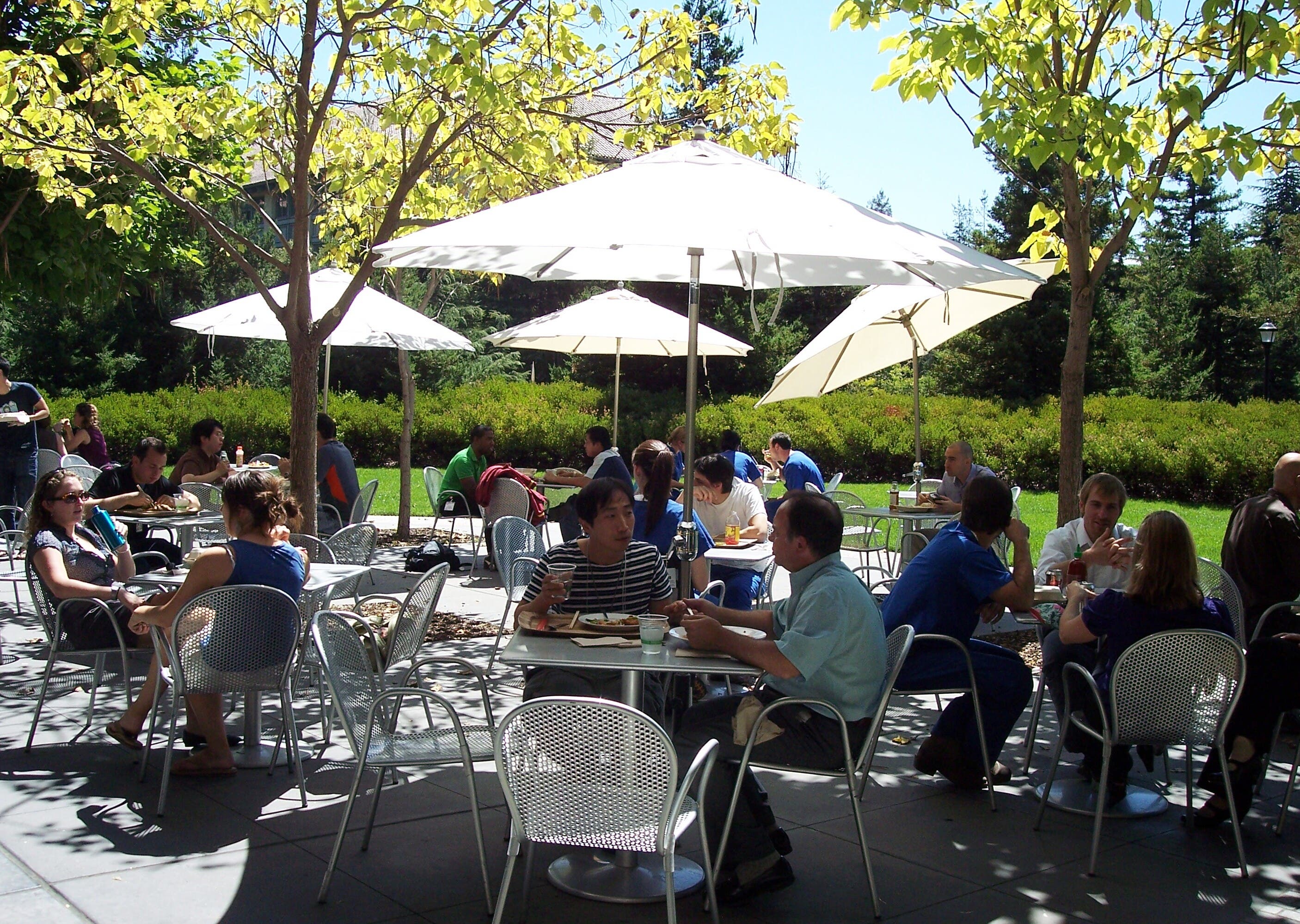


Although it was the first day for incoming students to the School of Medicine, the record-breaking temperatures on Monday, Aug. 23, kept pupils inside, eliminating the usual quad buzz typically associated with such a landmark day.
"I've only been here a couple of hours and it feels like forever," said first year student and future obstetrician Jenny Suh. "Just anticipating the next two years is overwhelming."
Suh and her classmates will receive plenty of help and support from the university. To get the year started off right, the School of Medicine gave all 91 incoming first-year medical school and master's of medicine students Apple iPads in conjunction with the school's commitment to keep teaching and learning methods current.
Find out what's happening in Palo Altofor free with the latest updates from Patch.
The iPad, according to the school's Dean, Philip A. Pizzo, M.D., is the "something new" the school gave its incoming students while the "something old" manifests in the form of stethoscopes, handed out during an annual event held Friday evening, Aug. 20, following the conclusion of the day's orientation activities. During the 2010 Stethoscope Ceremony, each student received his or her own stethoscope as a symbol of both the medical profession and the important relationship that exists between patient and physician.
In what can be viewed as part of the university's effort to to stay up to date with education methods and facilities involves the January 2010 opening of the school's first new educational building in 50 years, the Li Ka Shing Center for Learning and Knowledge.
Find out what's happening in Palo Altofor free with the latest updates from Patch.
The five-level, 120,000-square-foot limestone and glass structure offers a welcome, generously air conditioned refuge, particularly when temperatures reached a staggering 95 degrees during noon classes on the initial day of the fall 2010 semester. Among the students found inside of the Li Ka Shing Center were Yohan and Graham, first year medical students who completed their undergraduate degrees at rival University of California, Berkeley (who did not want their last names printed).
Not just classmates but also good friends, the two Berkeley alumni might be considered fortunate in addition to intelligent for having been accepted to Stanford's School of Medicine which, according to Dean Pizzo's Aug. 30 newsletter, admitted a mere 1.5% of the 5873 med school hopefuls that applied, a select 86 individuals to begin matriculation (the remaining 5 of the 91 incoming students are in the master's program). The university also has the distinction of being ranked 11th among the nation's best graduate schools for 2011 by U.S. News & World Report.
"I was first exposed to medicine when I was younger...when my grandma had a stroke," said Yohan about his decision to attend medical school. "That was my first exposure to the medical field, that began the whole process for me. Then I volunteered a lot at the hospital when I was in college [at Cal] and that solidified it for me."
Friend and fellow convert from Cal, Graham said that he, too, was introduced to medicine through a personal experience and that "it was that urge to help someone close to me that made me want to become a doctor."
Ensuring that Graham and his fellow medical students will exit the university secure they have received the most comprehensive, cutting-edge medical education available is the extensive, thought provoking School of Medicine curriculum. Among the classes offered this fall are Genetics 278: Prenatal Genetic Counseling, Radiology 222A: Multimodality Molecular Imaging in Living Subjects, and Psychiatry 211: Child and Adolescent Psychopathology.
Regardless of the schedule of classes and mini-seminars they will be attending in the coming months, it is certain that Yohan, Graham, and Suh are all currently enrolled in Surgery 201: Basic Cardiac Life Support, given the fact that according to the course catalog, all medical students are required to be certified by the American Heart Association in Basic Cardiac Life Support before the completion of their first autumn quarter.
"I know it seems like a lot now," admits Suh, "but [later on] I'll look back on every class, exam, final and wonder why I didn't learn more or try harder. Stanford is hard for a reason."