Neighbor News
Good Hope Residents Push County to Clear Safety and ADA Hazards
Ongoing safety hazards prompt Good Hope residents to demand "No Vending" zone at Ellis & Marshall as civil rights complaint is filed.

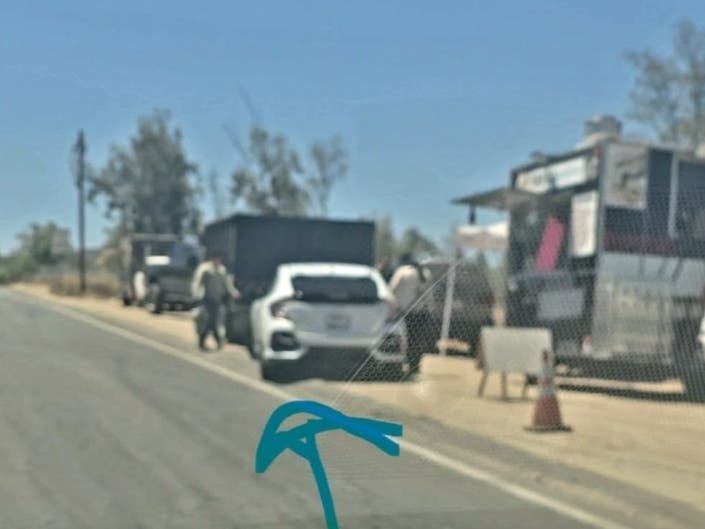
Public Safety Concerns at Ellis Avenue and Marshall Street
In the unincorporated community of Good Hope near Perris, a stretch of public right-of-way at Ellis Avenue and Marshall Street has become a persistent source of frustration and concern for local residents. For roughly nine months, mobile food vendors have occupied the dirt shoulder up to the edge of the roadway, creating what many describe as a daily public safety and accessibility problem.
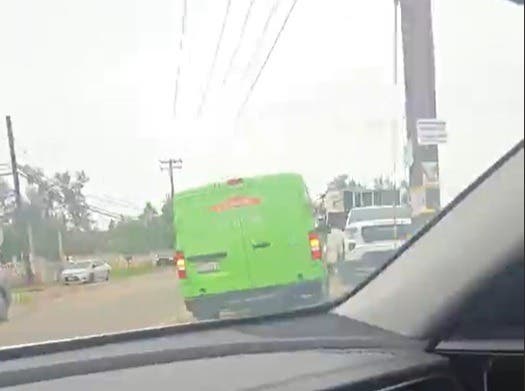
One resident "Jane" made public comment at the Board of Supervisors meeting 9/22/26 & reported having to take sudden evasive action while driving west on Ellis Avenue just after the Marshall Street intersection to avoid a collision with a vehicle pulling out from the vendor area.
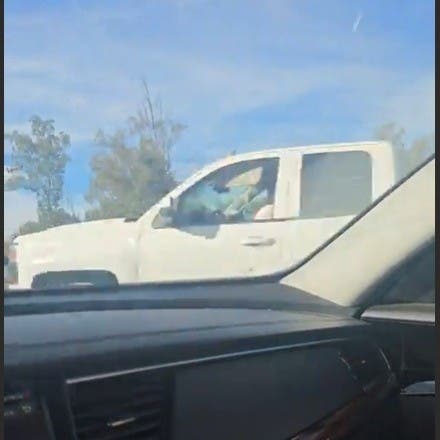
The near-miss, the resident said, underscored how quickly the congested shoulder and limited visibility can create dangerous situations for both drivers and pedestrians.
Find out what's happening in Perrisfor free with the latest updates from Patch.
Shoulder Obstructions and Setback Rules Unenforced
According to residents and photographic evidence, vendor vehicles, equipment, tables, chairs, and customer parking fully block the shoulder. Drivers regularly cross the double-yellow centerline to stop, customer vehicle bumpers extend into the travel lane, and pedestrians are forced into active traffic. Residents also point out that Code Enforcement has failed to enforce required setback rules, noting that vendor setups sit roughly 6 to 8 feet from the active travel lane—well within prohibited boundaries for roadside safety.
People with disabilities who use mobility devices are forced to maneuver into the active traffic lane to get past the obstruction. There is little room for cars to pull over when emergency vehicles need to pass.
Find out what's happening in Perrisfor free with the latest updates from Patch.
Disability Access and Civil Rights Complaint
One local resident with a disability, who has documented the conditions extensively, says the situation has made the public right-of-way unusable. “I cannot safely access the right-of-way on my own street,” the resident stated. “I am forced into the traffic lane. That is not equal access.”
The resident has filed multiple complaints with Riverside County Code Enforcement, contacted the Transportation and Land Management Agency (TLMA), notified the California Highway Patrol, and reached out to First District Supervisor Jose Medina’s office. A request for a meeting with the supervisor was declined.
A formal Notice of Dangerous Condition of Public Property was submitted to County Counsel and Risk Management, and a civil rights complaint has been filed with the California Civil Rights Department alleging violations of Title II of the Americans with Disabilities Act and California Government Code section 11135.
This local failure occurs against the backdrop of a broader critique of the department responsible for enforcement. In June 2026, the Riverside County Civil Grand Jury released a 19-page report titled “Code Enforcement: Not Living up to Code.” The report described a dysfunctional workplace culture, inconsistent enforcement, and allegations of political interference that undermined fair application of county rules.
Riverside County Code Enforcement Under Scrutiny
On September 22, 2026, the Board of Supervisors approved an Executive Office response that pushed back on several of the Grand Jury’s core conclusions, including claims of political pressure and retaliation. For residents dealing with blocked rights-of-way in Good Hope and other unincorporated areas, the gap between the Grand Jury’s findings and daily experience on the ground remains frustrating. County responses to the Ellis & Marshall complaints have included statements that the vendors are “legally operating” and that enforcement is limited because no serious injury has yet occurred.
Residents argue that California’s vending laws do not require the County to allow operations that create clear safety hazards or deny accessible public passage, and that existing county ordinances already prohibit obstructing the right-of-way.
County responses have varied. Some agencies have described the vendors as “legally operating” and pointed to California’s sidewalk vending laws. Others have indicated that because no serious injury or collision has yet occurred, enforcement options are limited. The resident and other community members argue that state vending laws do not require the County to allow operations that create clear safety hazards or block public access, and that Riverside County’s own ordinances prohibit obstructing the right-of-way.
In written communications with the Transportation ADA Coordinator Cathy Wampler, it appears the county's position is that because the vendor location is not an actual improved sidewalk they have no obligation to enforce ADA accessibility requirements:
Statement: The public right-of-way itself (including unimproved shoulders) is still under the County’s control and management.
County response: Yes, the Transportation Department maintains the full right-of-way, including the paved road and the dirt shoulder.
Statement: When the County allows (or fails to prevent) private parties to completely obstruct the right-of-way in a way that forces people with disabilities into the active travel lane while non-disabled people can still pass more safely, that can still create a Title II discrimination issue.
County response: The above statement would be true if vendors and their customer’s vehicles were obstructing an “improved walkway” located within the public right-of-way, such as a concrete sidewalk. However, that is not the case here.
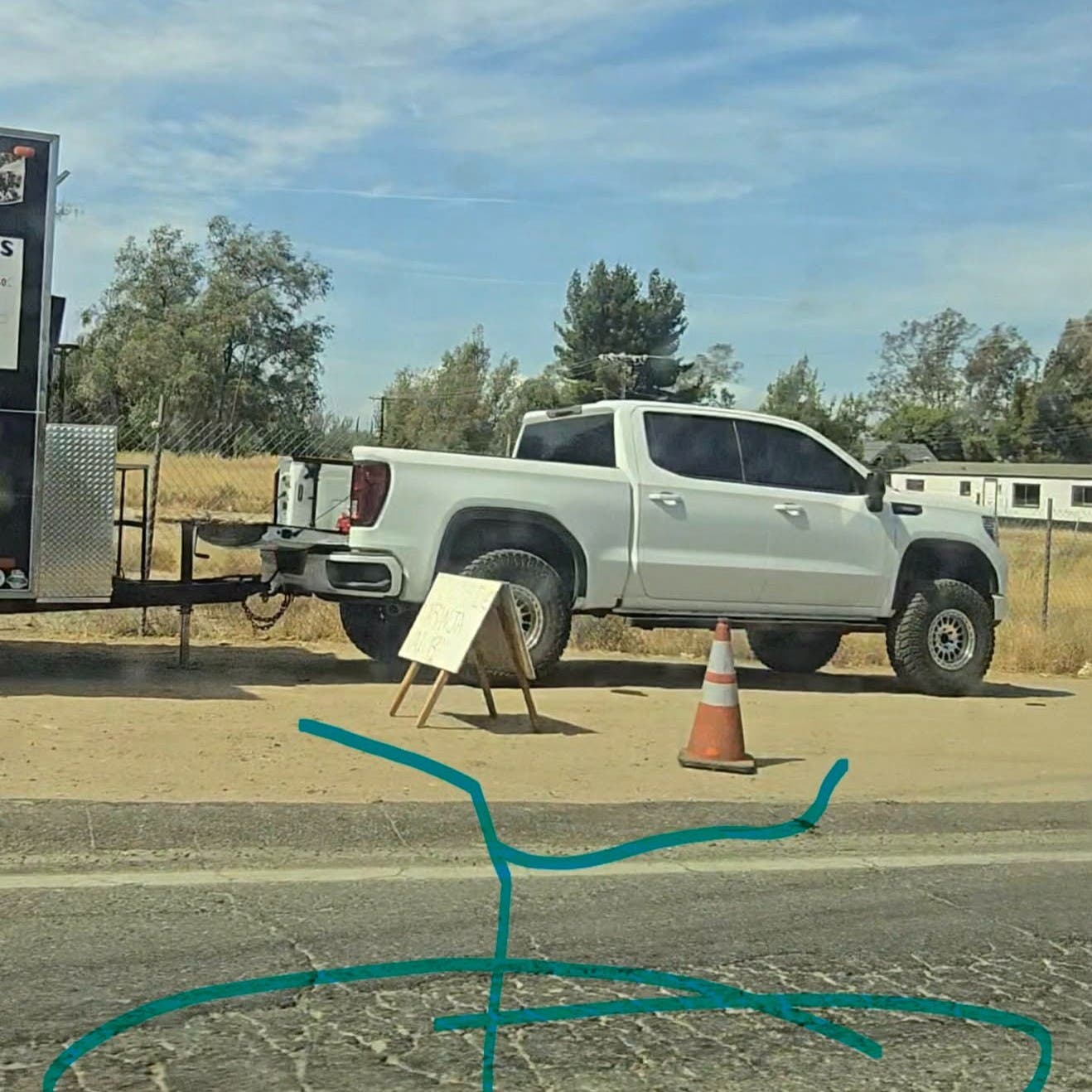
Similar vendor-related right-of-way issues have been reported in other unincorporated areas of Riverside County, raising questions about consistent enforcement by Code Enforcement and TLMA.
Residents are now asking the Board of Supervisors to intervene by directing staff to clear the obstruction at Ellis and Marshall and designate the location as No Parking and No Vending. They argue that the public right-of-way should remain available and safe for everyone, including people with disabilities.
The situation at Ellis Avenue and Marshall Street is not just a neighborhood nuisance—it is a public safety and civil rights issue that has gone unaddressed for far too long. Residents should not have to risk walking in traffic, being side swiped or wait for a serious injury before the County enforces its own rules.
Community Calls for "No Parking / No Vending" Restrictions
There is currently an investigation underway by the County Department’s Traffic Investigations Unit. Officials have not indicated whether additional enforcement measures or parking restrictions will be considered at Ellis Avenue and Marshall Street. In the meantime, residents continue to document right-of-way obstructions across Good Hope and report safety hazards directly to Riverside County Code Enforcement and the Board of Supervisors.