Politics & Government
Measure I Asks Sonoma, Marin Voters To Extend SMART Sales Tax
The tax was first approved by voters in Marin and Sonoma counties in 2008 and is said to generate around $40 million annually for SMART.


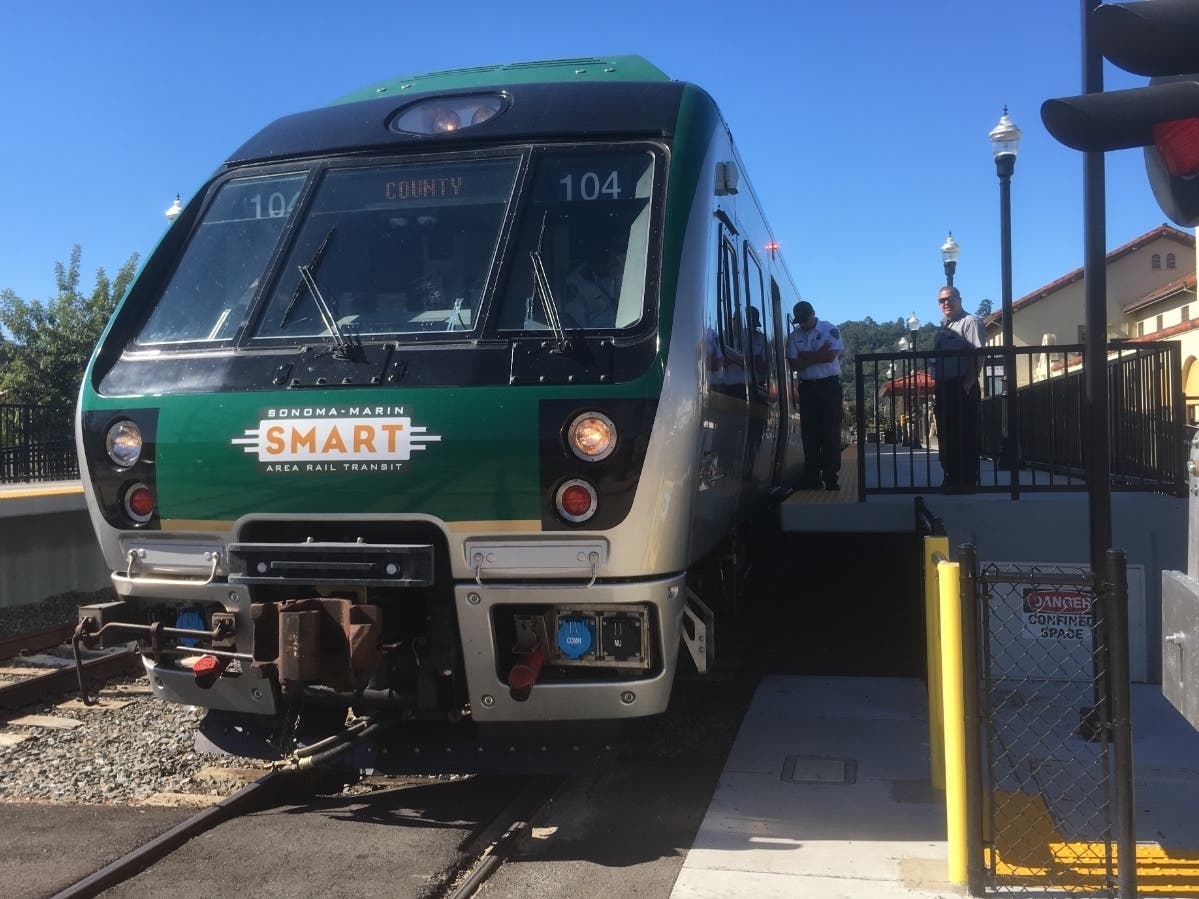
SONOMA COUNTY, CA — One of two sales-tax measures on the March ballot for Sonoma County voters is whether to extend the 1/4-cent sales tax that supports Sonoma-Marin Area Rail Transit. A yes vote on Measure I would extend the tax another 30 years past its current expiration date of 2029, to 2059, while a no vote would prohibit SMART from extending the tax past March 31, 2029.
The tax was first approved by voters in Marin and Sonoma counties in 2008 and is said to generate around $40 million annually for SMART.
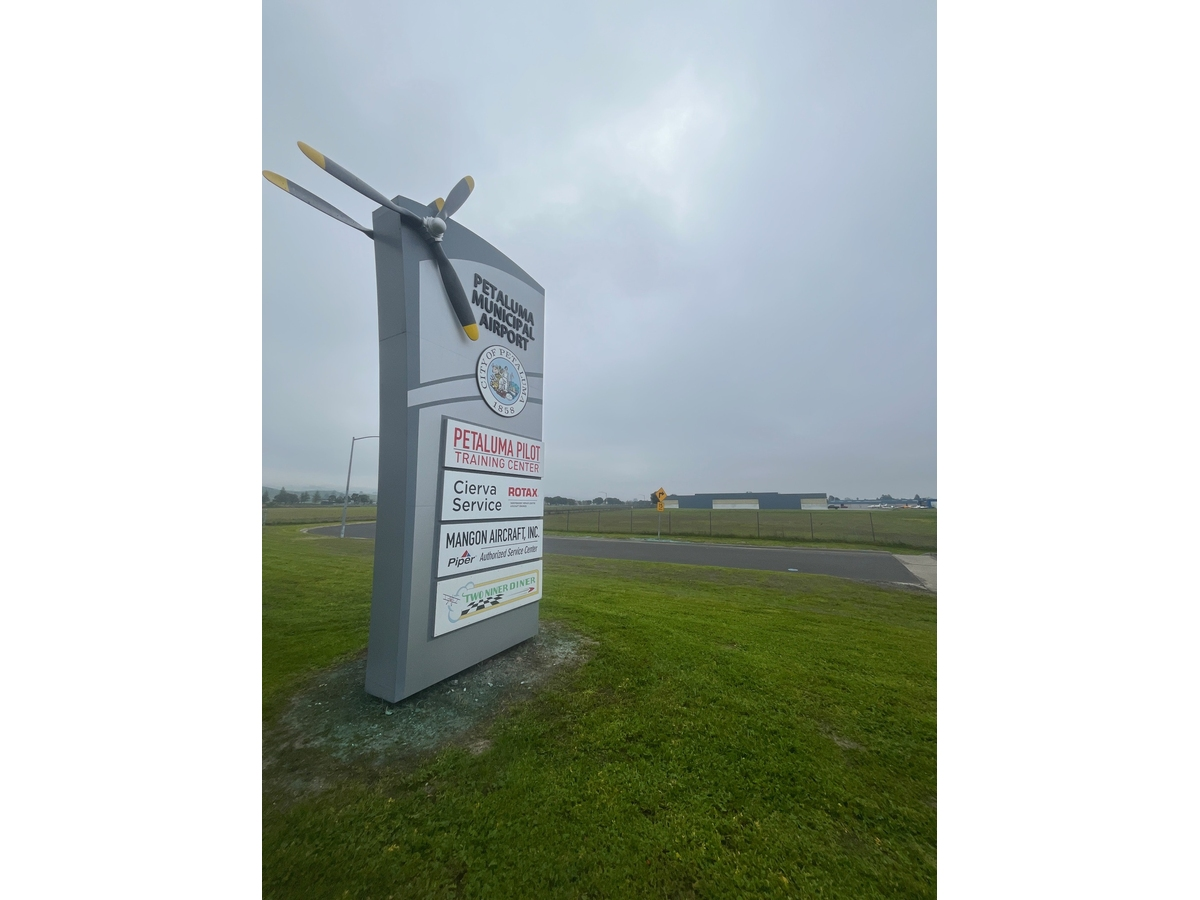
SMART service began in 2017 along a 45-mile stretch between the Sonoma County Airport and San Rafael. In December 2019, two new stations opened in Novato and Lakespur, bringing the total of existing stations to 12.
Find out what's happening in Petalumafor free with the latest updates from Patch.
SMART says passenger service will soon extend to Windsor, after construction of the railway’s extension to Windsor began in early January. Other stations are planned for North Petaluma, Healdsburg and Cloverdale.
Supporters of Measure I — including state Sen. Mike McGuire, Sonoma County Supervisor David Rabbitt, Sonoma County Superintendent of Schools Steven Herrington, North Bay Labor Council and Friends of SMART — say it would ensure SMART’s financial stability and allow restructuring of construction debt.
Find out what's happening in Petalumafor free with the latest updates from Patch.
This would save $12.2 million annually, fully funding operations from Larkspur to Windsor – and with state and federal help on to Healdsburg and Cloverdale – for the next 30 years, proponents say.
A yes vote would also help reduce congestion on U.S. Highway 101 and local roads; Support SMART service to additional cities; Increase the frequency of SMART trains; Build more bicycle and walking paths connecting SMART stations; Fund safety enhancements along the rail line; and Add more parking to SMART stations, supporters say.
Meanwhile, those opposed to the measure — including Cline Cellars' owner Nancy J. Cline, Attorney Tracey Buck-Walsh and New Sonoma director Ken Churchill — say SMART to date has built less than two-thirds of the promised rail line and one-third of the bike paths. Opponents say SMART does not have the funds to finish so the agency is asking for more money for overhead.
Those planning to vote no on Measure I also say their recent analysis has shown that buses and cars carrying the same number of riders would have lower GHG emissions than SMART.
Opponents also claim that compared to similar trains, "SMART has the largest taxpayer subsidy, at $100-per-round trip, per rider, in the nation," and that "For every two riders on SMART, there are more than 1,000 non-riders paying for 90 percent of the costs."
If Measure I is approved, the money going to SMART from each household over 30 years would be $8,370, those opposed also say.
Approval by two-thirds of voters is required for Measure I to pass.
This March, voters in Sonoma County are also tasked with deciding whether to approve Measure G, a 1/2-cent tax increase that would fund fire districts throughout Sonoma County.
Get more local news delivered straight to your inbox. Sign up for free Patch newsletters and alerts.