Arts & Entertainment
Hercules Published: History Book Hits the Shelves
Pictorial narrative of the history of Hercules is available Monday.
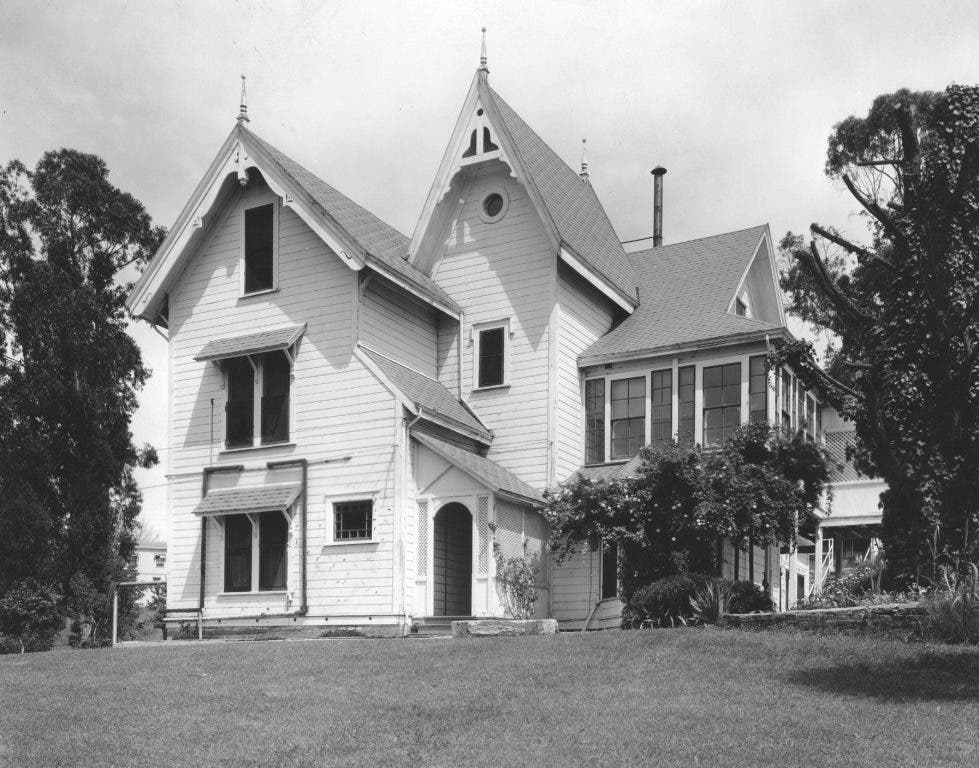


When the Hercules Historical Society wanted to do a book detailing the history of its dynamic city, it knew just the person to call.
After all, Jennifer Posedel had written two previous history books (chronicling the histories of Rodeo and theaters in Oakland, respectively), was a resident of nearby Rodeo and had been interested in Hercules history for some time. She co-authored Hercules with Stephen Lawton, chair of the Contra Costa County Historical Landmarks Advisory Committee.
“It’s for the people who grew up in the Hercules village, and is also to introduce newcomers to the history of this area,” Posedel said. “The book will evoke memories for those who live and work in Hercules, and acquaint newcomers with the town’s colorful and important history.”
Find out what's happening in Pinole-Herculesfor free with the latest updates from Patch.
On May 2, Arcadia Publishing will unveil Hercules as the latest addition to its Images of America series, which includes hundreds of similar books from cities across the country. The pictorial history has over 200 photographs from the past several decades of Hercules history. It will be available online and through the historical society.
Before it was the dynamic city, Hercules was dynamite—literally. The town sprang up shortly after the California Powder Company purchased 44 acres near the waterfront as a site for its explosives manufacturing business in 1879. While the company manufactured dynamite, black powder and TNT—which were utilized extensively during World War I—it created (and owned) the Hercules village to house its employees.
Find out what's happening in Pinole-Herculesfor free with the latest updates from Patch.
“It was a company town,” Posedel said. “There was no business district. There was a clubhouse and a hotel for employees, and the company rented houses inexpensively to the workers. In 1890 they built the houses. Some were built in 1900 and about 20 are still there.”
Hercules offers extensive photographic documentation (which was largely provided by the historical society) of the plant and the surrounding village, including its hotel and social halls.
As the explosives manufacturer changed owners several times before it was bought by Valley Nitrogen Producers in the 1970s, the town witnessed its fair share of occupational hazards.
“[The company] would say it was no more dangerous than driving to work here, but when it did have an accident, it was devastating and destroyed everything around it,” Posedel said. “Some people were atomized and disappeared. There’s no trace of them found.”
All proceeds from the book will benefit the Hercules Historical Society, which shares co-author credit with Posedel and Lawton. Posedel labored for 14 months as the book’s principal author, researching newspapers and interviewing current and former residents whose parents worked at the explosives plant.
Residents may meet the author at the on May 7 between 2 and 4 p.m. for the book launch.
Posedel will also give a PowerPoint presentation at the Pinole Historical Society’s annual meeting at the Pinole Public Safety Facility, 880 Tennent Ave., Pinole, on May 19.
Hercules is available through the Hercules Historical Society.