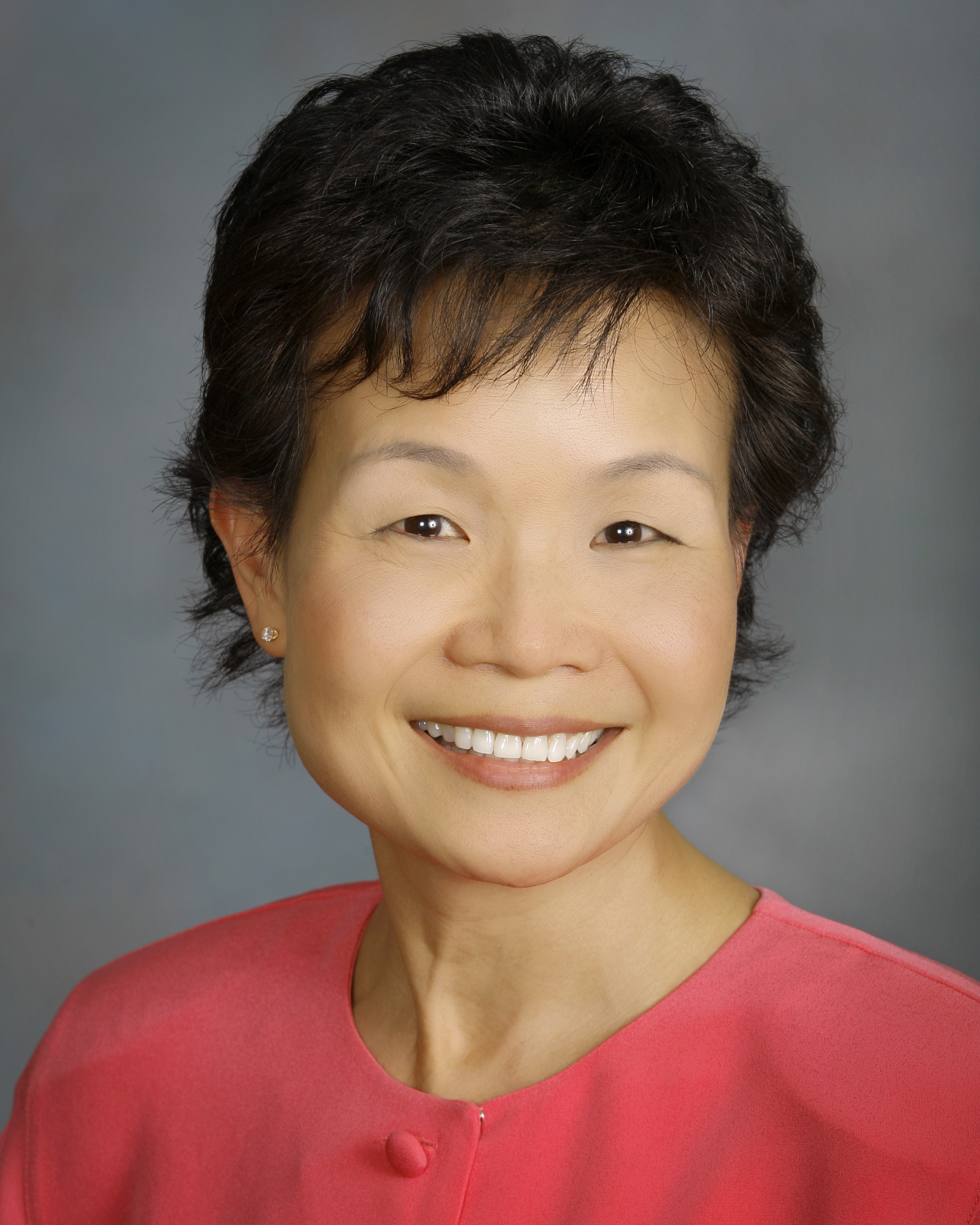
by Tinrin Chew, RD
According to the American Institute for Cancer Research, the "New American Plate" is an important cancer fighting tool. At mealtime, try to strike a balance of at least two-thirds plant-based foods and no more than one-third animal protein.
Fruits and vegetables are rich in cancer-fighting nutrients -- and the more color, the more nutrients they contain. By eating a healthy diet, full of fruits and vegetables you can also shed all the extra weight which may decrease your risk for developing colon, esophagel, and kidney cancers.
Find out what's happening in Pleasant Hillfor free with the latest updates from Patch.
Colorful fruits and vegetables are not only good for you, but can also help protect you free radical damage as well as from UV rays (which have been known to cause skin cancers). Red, pink and orange fruits, like cantaloupe and pink grapefruit contain lycopene, a naturally occurring carotenoid which helps ward off the harmful effects of the sun. Tomatoes, particularly tomato paste, blueberries, strawberries, and red, yellow and orange peppers are also great sources of lycopene. There is evidence suggesting that lycopene has a protective effect against lung, stomach and prostate cancer. Lycopene may also protect against cervical, breast, mouth, pancreatic, esophageal and colorectal cancers.
Strawberries, raspberries and blueberries and raspberries contain powerful antioxidents that may fight cancer by deactivating certain cancer causing substances and slowing the growth of cancer cells. Antioxidants fight cancer by ridding the body of free radicals before they can do their damage to cells.
Find out what's happening in Pleasant Hillfor free with the latest updates from Patch.
Cruciferous vegetables like broccoli, cauliflower, cabbage, brussels sprouts, bok choy, and kale and dark leafy green vegetables such as mustard greens, lettuce, chicory, spinach have components that may help your body defend against cancers such as colon, breast, lung, and cervix as well as mouth, larynx, pancreas, lung, skin, and stomach.
Making the Change to a Healthier Diet:
No single food can reduce your risk of cancer, but the right combination of foods may help make a difference.
Aim for at least five servings a day, prepared in a healthy way.
Top your oatmeal, cold cereal, yogurt, even salad with blueberries to boost your intake of these healthful berries.
The most important thing to remember is that a person who eats a healthy diet, full of fruits and vegetables lowers their chances of developing cancer simply because of the food they eat. For the new year, make a resolution to include more of these healthy foods in your diet daily!
Tinrin Chew is a registered dietitian, who is a Board Certified Specialist in Oncology Nutrition. She provides nutritional counseling for patients at Diablo Valley Oncology, John Muir Health and the Cancer Support Community.